
A well-built deck changes how a home feels the moment you step onto it. It opens your living space and blends indoor comfort with fresh air and open sky. Working as a wellness space designer, I’ve seen a good deck become the anchor of relaxation, a private retreat where daily stress fades as the sun goes down.
Want to build your own backyard escape? These 20 decking ideas offer a starting point, ranging from simple wood platforms to layered multi-level builds. Each concept aims to boost both your daily comfort and your home’s resale value. Your deck can become a retreat you use every day, no reservation required.
1. Step Onto a Classic Wood Deck for Natural Charm
There’s something special about a wood deck: the warmth under bare feet, the smell of damp timber after rain, the grain that weathers and changes with the seasons. Redwood offers rich color and natural bug resistance. Cedar is lightweight and fragrant. Ipe is extremely tough but demands regular care. Pine costs less upfront but needs consistent upkeep to last. Pick your species based on your climate and how much maintenance you’re willing to do.
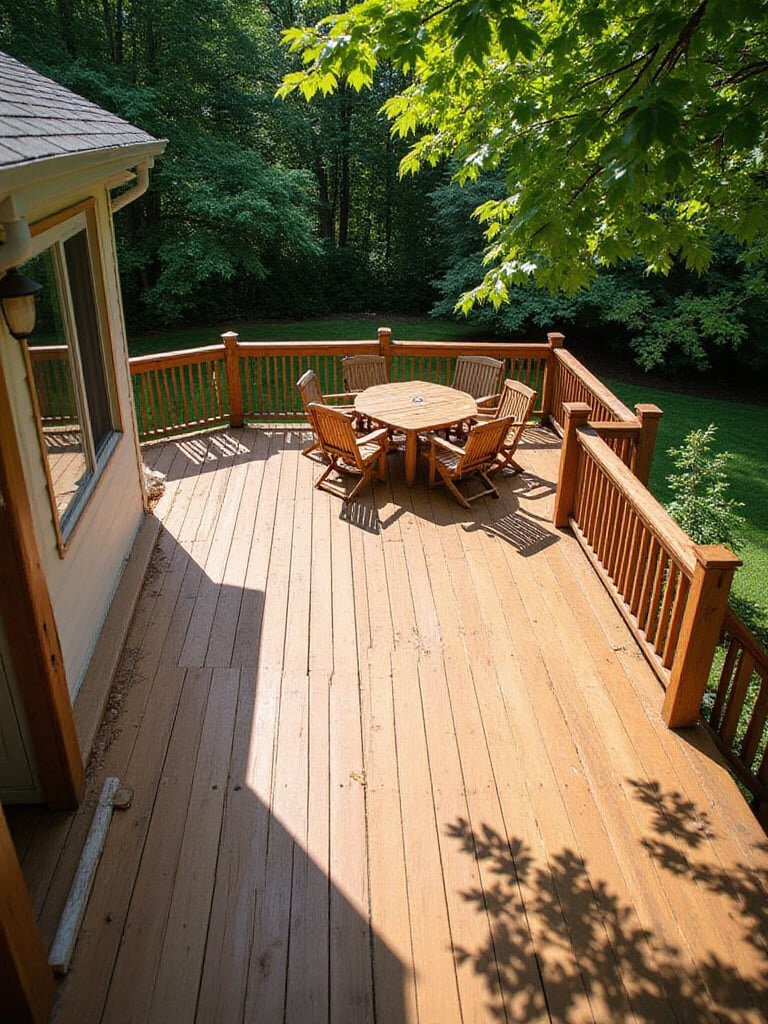
A wood deck isn’t just a functional platform. It links your house to the yard, giving you a comfortable spot to unwind outdoors. The grain and texture of natural wood bring a craftsmanship that manufactured materials rarely match, which is part of why real wood decks still boost property value so reliably.
Bare feet on wood planks create an instant sense of grounding, which is exactly why natural wood shows up so often in outdoor wellness spaces.
This list took shape after a stay at a mountain cabin with a cedar deck that faced a pine forest. Consider borrowing a few of those same details for your own wood sanctuary.
- Built-in corner benches that double as storage for meditation cushions
- A dedicated yoga platform positioned to catch morning light
- Natural oil finishes that enhance wood grain while remaining non-toxic
2. Choose Composite Decking for Easy-Care Style
Composite decking gives you the look of natural wood grain without the constant sanding, staining, and sealing. It stands up to moisture, rot, and insects far better than solid wood, which frees up your weekends for actually relaxing on it instead of maintaining it.

Manufacturers make composite boards from a blend of recycled plastic and wood fibers. That combination holds up well through freeze-thaw cycles and seasonal humidity swings without warping or splintering.
Many composite lines now add UV-resistant coatings and antimicrobial treatments to extend their lifespan further. Board textures have also improved in recent years, with deeper wood-grain embossing that appeals to homeowners who still want a natural look.
The real advantage of composite decking is the low-stress foundation it gives your outdoor routine. Here’s why it works so well for relaxation-focused spaces:
- Splinter-free surfaces for barefoot meditation practices
- Consistent temperature retention for comfortable morning yoga
- Non-toxic materials that don’t require chemical treatments
- Sustainable composition that aligns with eco-conscious wellness philosophies
3. Layer a Multi-Level Deck for Dining and Lounging
Small shifts in elevation can do the work of walls, splitting one flat surface into distinct zones. A multi-level deck design uses this trick to separate a dining area from a lounge space, making the whole footprint feel more functional without adding square footage.
One layout might place a meditation nook on the upper tier, a dining table on the middle level, and a fire pit conversation area down below. Well-planned transitions between levels keep the sightlines open so the space still reads as one connected area.

Start planning a multi-level deck by studying your yard’s sun exposure, wind patterns, and best views. Let those conditions decide where each tier sits rather than forcing a layout onto the land.
Map out how people will actually use each zone, with open areas for groups and tucked-away corners for quiet time. Gentle steps or ramps connecting the levels keep the design both safe and visually smooth. Add lighting along the transitions so the deck stays usable and inviting after sunset.
A multi-level layout also solves problems that flat decking can’t, especially on a sloped yard where the grade would otherwise limit your options. Following the natural terrain with staggered platforms turns a tricky lot into a striking outdoor feature instead of a liability.
- Natural sound barriers between activity zones
- Improved airflow that enhances comfort during warm weather
- Visual interest that draws the eye through the space
- Opportunities for integrated water features between levels
4. Link Indoors and Out with a Wraparound Deck
A wraparound deck runs along multiple sides of a house, creating one continuous path that blurs the line between the interior and the yard. Matching the deck’s floor height and material to your home’s interior flooring strengthens that connected, expansive feel.

Before building a wraparound deck, consider how the shape fits your home’s architecture. Colonial, craftsman, and farmhouse-style houses tend to benefit most, since the wraparound layout echoes their balanced, symmetrical proportions.
Track how the sun moves across your property so morning meditation corners and evening lounge areas end up on the right sides of the house. Clear, intuitive pathways matter just as much as the layout itself, and screening may be worth adding wherever the deck faces a busy street or neighboring yard.
A wraparound deck built around your home’s actual sun patterns and sightlines opens up far more activities than a single straight run ever could. Good planning here pays off in everyday usability, not just curb appeal.
- A sheltered morning tea station positioned to catch first light
- A transitional space with built-in storage for wellness equipment
- An evening relaxation zone with integrated aromatherapy diffusers
- A social gathering area with sound-absorbing elements for conversation
5. Build a Poolside Deck for Sun-Soaked Relaxation
Imagine coming home to golden evening light spread across your pool deck, the water throwing back amber reflections while the boards still hold the day’s warmth. That kind of setting turns a simple pool area into a daily unwind spot.
Safety comes first with any poolside decking project, so slip resistance and water resistance top the list of priorities. Surface temperature matters too, since some materials get hot enough in direct sun to be uncomfortable barefoot. Weigh both factors before choosing your final material.

Composite decking works well by the pool because it resists moisture and needs almost no upkeep over the years. Tropical hardwoods such as teak and ipe are a strong natural alternative, both dense and naturally water-resistant. Whatever material you pick, proper installation with solid drainage underneath prevents water damage and adds years to the deck’s life.
Look for boards with a light surface texture, enough to add grip without scraping bare feet. Running the decking perpendicular to the pool’s edge also improves footing and creates a clear visual boundary at the water line.
Adding hydrotherapy features, like a jet system or a small spa shelf, gives a poolside deck an extra spa-like touch.
- Built-in foot reflexology paths using embedded river stones
- Recessed chromatherapy lighting that transforms evening swims
- Integrated misting systems for cooling aromatherapy on hot days
- Dedicated space for post-swim stretching with non-slip surfacing
6. Build a Garden Deck Filled with Greenery
This design grew out of an idea to weave living plants directly into a deck’s structure, turning a plain platform into a more therapeutic outdoor room.
A garden deck goes past looks alone, layering in movement, scent, and texture that engage more of the senses. Plants also add privacy between neighboring yards and help filter the air, making the whole space feel healthier to spend time in.

Match your plant choices to the light each part of the deck actually gets. Sunny corners suit heat-tolerant herbs like lavender, rosemary, and sage, which also draw in pollinators. Shadier corners work better for ferns, hostas, and astilbe, which give the space a cool, woodland feel.
Pick containers with solid drainage holes, enough room for root growth, and a finish that matches your decking material. Lightweight fiberglass or composite planters are easy to move and hold up well outdoors year-round.
Matching your plant palette to your decking material keeps the whole layout looking intentional rather than pieced together, and it supports a more self-sustaining little ecosystem on the deck itself.
- Rainwater collection channels built into the decking design
- Vertical garden walls that double as privacy screens
- Herb spirals positioned near outdoor cooking areas
- Modular planters that can be reconfigured seasonally
7. Build a Rooftop Deck for City Views
Rooftop decks demand real structural engineering, since the build has to account for load limits and drainage before any design work begins. Done right, a rooftop deck turns unused roof space into a private retreat with skyline views that a ground-level yard can’t match.
The mental benefits are significant, providing a peaceful escape from noisy streets and cluttered surroundings. Rooftop decks boost wellness with more natural light, better air circulation, and the positive effects of expansive views.

Before starting a rooftop deck project, it’s crucial to get a structural assessment. Hire a qualified engineer to check if your roof can support the weight of decking, furniture, plants, people, and snow.
Rooftop deck building codes are stricter, with rules for railings, access, and fire safety. Choose materials wisely for sun, wind, and rain exposure. Composite decking is a good option, and waterproofing is key to prevent moisture damage.
Transform your rooftop deck into a wellness oasis by adding thoughtful amenities. Watch as the mood shifts dramatically with these additions!
- Wind-resistant privacy screens that create sheltered meditation zones
- Lightweight planter systems with drought-tolerant plants for thermal regulation
- Retractable shade structures that adapt to changing sun conditions
- Sound-absorbing elements that mitigate urban noise pollution
8. Turn a Small Balcony into a Deck Retreat
When clients ask about balancing style and comfort in small spaces, we suggest using balcony decking ideas for a transformation. Swapping out concrete or metal flooring for decking materials can instantly add warmth and character to even the tiniest balcony.
This upgrade not only improves aesthetics but also offers practical benefits like better drainage, less heat absorption, and a more comfortable surface. The textural contrast between decking and building materials helps define the balcony as a separate “room” rather than an afterthought.
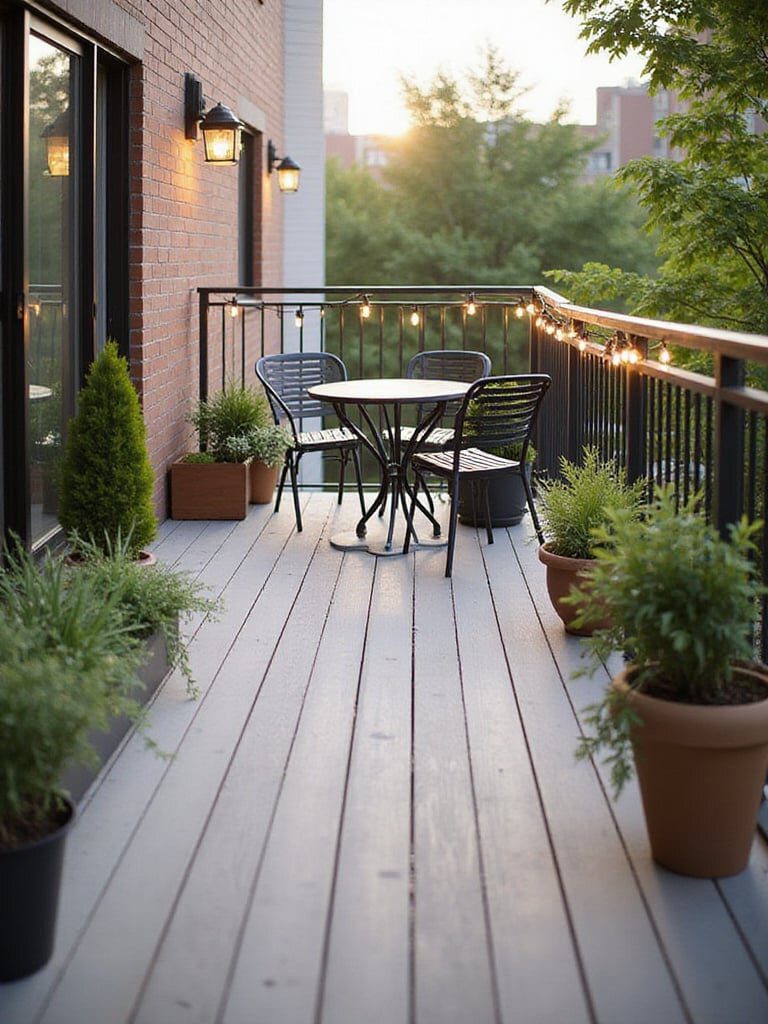
Choosing the right materials is key in small spaces like balconies. Interlocking deck tiles are great for balconies – easy to install without damaging the structure, have built-in drainage, and can be easily cleaned or replaced.
Composite options are low-maintenance, while natural wood adds warmth. Look for modular systems for flexibility. Check weight limits with management, and keep drainage in mind to avoid water damage.
Pros’ tip: Treat balcony decking as a key element, not an afterthought.
- Use contrasting decking patterns to visually expand narrow spaces
- Create zones with subtle height variations using adjustable deck pedestals
- Incorporate hidden storage within raised decking sections
- Position decking to direct rainwater away from the building while preventing pooling
9. Add a Pergola for Shade and Structure
A pergola can completely change the vibe of a deck, making it feel more cozy and protected without losing that outdoor connection.
With vertical elements and an overhead structure, it creates a more intentional and room-like space. Pergolas also allow for adding elements like plants, lighting, and privacy screens to enhance wellness and ambiance.

When designing a pergola, it’s important to think about size, materials, and purpose. Make sure it fits well with your deck and home size. Choose a style that matches your home but lets your personality shine.
Consider sun direction for slat spacing—wider gaps mean dappled light. Material choice affects maintenance and look; wood is cozy but needs care, while aluminum or vinyl last longer with less upkeep.
Pergolas can actually help with your wellness goals. This unexpected benefit is a result of their design.
- Integration of retractable fabric panels for adaptable sun protection
- Support structures for climbing plants that provide natural cooling
- Mounting points for outdoor heaters to extend seasonal use
- Framework for privacy curtains that reduce visual overstimulation
10. Upgrade Deck Railings with Glass and Cable
When you think about railing options for your deck, it’s important to consider how they can elevate the overall look and feel of your outdoor space. The colors and design you choose can make a big impact on both the aesthetics and functionality of your deck.
Not only do railings provide safety, but they also define the visual boundaries of your deck and can either enhance or block your views.
So, when making your railing decision, think about how it will enhance the architectural style of your home while keeping your family safe and comfortable, especially on elevated decks where safety is key for fully enjoying your outdoor oasis.

When choosing railings, it’s important to think about safety, design, and upkeep. Glass offers clear views but needs frequent cleaning. Cable railings are sleek with less maintenance. Metal options like aluminum or steel are durable and versatile.
Composite railings match composite decking. Wood is classic but needs more care. Make sure your choice meets local building codes.
Concerned about upkeep? Check out these cool railings that mix safety and fashion!
- Integrated LED lighting that enhances evening safety while creating ambiance
- Planter boxes that attach to railing tops for greenery without sacrificing floor space
- Mixed-material systems that combine the strengths of different components
- Custom glass panels with frosted patterns that provide both views and privacy
11. Set the Mood with Layered Deck Lighting
Morning light creates a unique experience that evolves as the day progresses into evening. Well-designed lighting can transform your deck into an intimate and magical retreat after sunset, extending its usability well into the evening hours.
This is especially important for those with limited daytime outdoor time due to work schedules. Lighting plays a crucial role in enhancing the emotional quality of outdoor spaces and making them feel safer and more enchanting.

To create the perfect lighting setup, mix different types of lighting for function and mood. Low-voltage lights are safer outdoors and give a cozy feel. Use recessed stair lights, uplighting for plants or structures, and string lights for an overall glow.
Warm tones (2700K-3000K) create a relaxing vibe, while cooler tones can feel cold. Dimmable lights let you adjust brightness for different activities like dining or relaxing.
Adding the right lighting not only enhances the overall look but also creates a soothing atmosphere.
- Chromatherapy lighting that can be adjusted to support different moods
- Motion-activated pathway lights that eliminate the need for switches
- Solar-powered accent lights that create sustainable illumination
- Programmable systems that mimic natural sunset transitions for better sleep hygiene
12. Build Built-In Seating for More Deck Space
The designer’s focus on detail is evident in the way built-in seating enhances deck functionality by seamlessly blending with the overall structure.
Unlike traditional furniture, built-in seating adds to the deck’s cohesive design and maximizes usable space by eliminating the need for standalone chairs. It also gives a sense of permanence and intention, elevating the space’s value as a dedicated relaxation area.

To create comfy built-in seating, think about ergonomics and comfort. Make seats 16-18 inches high and 16-20 inches deep for adults. Backrests at 95-105 degrees are best for relaxing. Choose weather-resistant materials like composites, cedar, or redwood. Add drainage to avoid water pooling.
Think about storing cushions during bad weather. Position seats for views and conversations. Good seating makes gatherings better!
Looking to spruce up your built-in seating without losing its sleek design?
- Integrated storage beneath hinged seat tops for cushions and throws
- Subtle lighting incorporated into seating risers for evening ambiance
- Varying seat heights to accommodate different body types and preferences
- Thermal elements like subtle heating coils for extended seasonal use
13. Warm Up Your Deck with a Fire Pit
The cozy and inviting feeling of a fire pit on a deck brings people together and enhances outdoor spaces.
The sight, sound, and warmth of the flames engage our senses, promoting relaxation and connection. That’s why fire features are so popular in relaxing outdoor areas.

When adding a fire pit to your deck, safety comes first! Check local codes, use fire-resistant mats or platforms for wooden decks, and consider gas options for easy integration.
Choose a model with spark protection and proper base to prevent heat transfer. Position away from overhangs and combustible materials for a safe and cozy setup.
One common styling mistake with fire pits is thinking of them as separate instead of incorporating them into the overall space design for a cohesive experience.
- Create a subtle depression in the decking (2-3 inches) to visually anchor the fire area
- Position seating at varying distances to accommodate different temperature preferences
- Incorporate wind barriers that double as privacy screens without obstructing views
- Design convenient storage for fire tools, wood, or gas tank access that blends with the decking
14. Add an Outdoor Kitchen to Your Deck
Our deck design isn’t just for the living room. It’s perfect for outdoor culinary spaces too! By combining cooking features into the deck, you can create a seamless outdoor entertainment area.
This setup allows the chef to interact with guests while cooking, making meal prep more social. With different zones for cooking, dining, and relaxing, the conversation can continue smoothly outdoors.

When designing a deck kitchen, think about workflow, weather, and materials. Connect cooking, prep, and dining areas for easy movement.
Use marine-grade stainless steel for lasting durability. Choose UV-resistant countertops like natural stone or concrete. Plan for gas, water, and electricity early on. Install proper ventilation to control smoke. Keep indoor spaces free of cooking odors with strategic placement.
Think about using this space to make a wellness-focused outdoor kitchen that promotes healthy living, not just for its standard use.
- Dedicated juicing station with easy-clean surfaces and composting system
- Herb garden integration directly adjacent to prep areas
- Specialized storage for clean water dispensing and filtration
- Non-toxic cooking surfaces that minimize chemical exposure
15. Add Deck Planters for Bursts of Color
Our designers carefully placed plants to bring your deck to life. Integrated planters blend hardscape and landscape, softening lines and changing with the seasons.
Plants improve air quality and create a peaceful atmosphere. Aromatic plants near seating areas enhance your outdoor experience with subtle aromatherapy benefits.

When picking plants for your deck, think about the sun, wind, and maintenance. For sunny spots, try lavender or ornamental grasses. Shadier areas work well with hostas or impatiens.
Mix things up with bulbs for spring, colorful blooms in summer, fall foliage, and winter structure. Choose planters that match your deck, have good drainage, and are lightweight for easy installation. Consider fiberglass or resin for a traditional look without the weight.
You’ll really appreciate the quality of these planters over time, as they keep adding to your deck’s charm.
- Integrated irrigation systems that minimize maintenance requirements
- Modular planters that can be reconfigured as needs change
- Self-watering designs that ensure consistent moisture during hot periods
- Vertical planter walls that maximize growing space while creating privacy
16. Add a Privacy Screen for a Secluded Deck
The silhouette is inspired by Japanese gardens, balancing openness and privacy. Privacy screen decking ideas solve the challenge of creating a cozy outdoor space without losing connection with nature.
Well-designed screens turn decks into intimate retreats for true relaxation, providing both visual and psychological comfort. This enhances relaxation and promotes genuine social connection outdoors.

When choosing materials for privacy screens on your deck, think about both function and style. Wood screens give a cozy, natural look, from classic lattice to modern slats. Metal screens are sturdy and can have decorative designs for light and visual flair.
Fabric panels are versatile and can withstand weather changes. Living screens with climbing plants evolve over time. Remember to consider visibility from different angles, adjusting density for privacy and airflow.
Privacy screens look best when they’re planned as part of the design from the start. This creates a balanced visual flow.
- Screens that incorporate subtle lighting elements for evening ambiance
- Modular panel systems that can be reconfigured as needs change
- Acoustic materials that absorb sound while providing visual privacy
- Adjustable components that adapt to changing privacy needs or weather conditions
17. Turn Your Deck into a Hot Tub Retreat
Discover incredible hot tub decking ideas sourced from a durable region with a focus on therapeutic design. Transform your deck into a dedicated space for hydrotherapy and experience a range of health benefits.
A well-designed hot tub deck enhances your wellness journey by prioritizing access, privacy, and seamless transitions between indoor comfort and outdoor therapy.

When building a hot tub deck, it’s crucial to consider its structure. A full spa can weigh over 3,000 pounds with people in it, so you’ll need extra support like more posts, beams, and joists.
Choose decking materials with good slip resistance and drainage for safety. Make sure electricals are up to code, with GFCI protection and safe distancing from water. Consulting a structural engineer is a smart move!
Having trouble matching your decor with your hot tub? Here are some ideas to help you create a cohesive environment.
- Recessed installation that brings the hot tub rim flush with the decking surface
- Pergola or partial roof covering that defines the spa zone while providing weather protection
- Privacy screens with integrated towel warming features
- Transitional changing area with seating and storage for robes and accessories
18. Try Bold Decking Patterns for Visual Interest
Classic flooring patterns with a twist move outdoors on creatively designed decks. Introducing patterns adds sophistication and intentionality, elevating decks from basic to stylish.
The visual texture from board arrangement makes monochromatic materials interesting. Focal points are created, defining functional zones seamlessly. This subtle delineation enhances the space intuitively and complements various home styles.

Decking patterns like picture frame borders, diagonal layouts, basketweave, and mixed-width boards offer unique visual appeal. Consider extra materials needed for patterns, which can create more waste. The complexity of the pattern may impact labor costs and timeline.
If you’ve had trouble with similar rooms, think about how using different patterns can help with common deck design problems.
- Use directional patterns to guide movement through the space
- Create visual boundaries between functional zones without physical barriers
- Employ contrasting borders to frame views or highlight architectural features
- Integrate unexpected pattern changes to signal transitions between different deck areas
19. Add Color to Your Deck Design
Outdoor living spaces are becoming more personalized, with colorful decking ideas breaking away from traditional browns and grays. This trend reflects our desire for individual expression and can complement architectural styles.
The colors you choose for your deck can create different moods – warm tones for socializing, cool tones for relaxation. Using color strategically can transform your outdoor area into a design focal point.
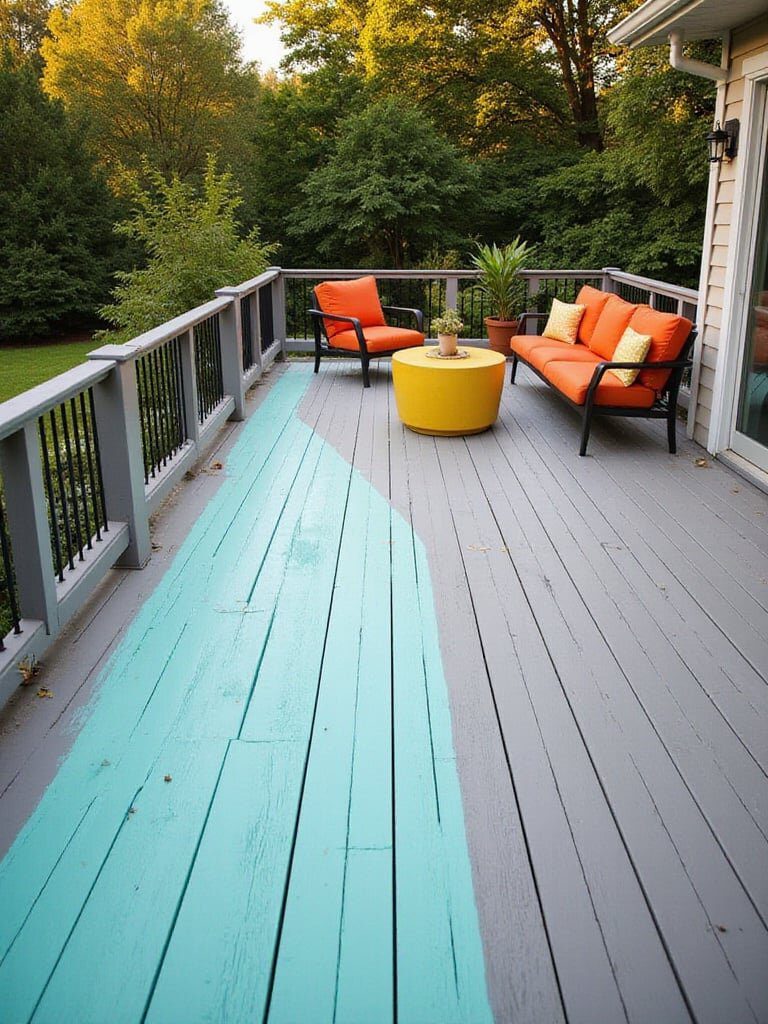
Choosing the right material for your deck is crucial for color choices and durability. Composite decking offers a wide selection of fade-resistant colors, from earth tones to vibrant shades. PVC decking also has diverse color options with excellent color retention.
Wood decking can be stained or painted but will naturally fade without maintenance. To add visual interest, consider two-tone designs or contrasting “rugs” of color. Keep in mind that dark colors can get hot in direct sunlight, especially in spa or pool areas.
Want your deck to serve a specific purpose? Use color psychology! It’s a surefire styling trick that never fails.
- Cool blues and greens for meditation and relaxation zones
- Warmer terracottas and ambers for social gathering areas
- Neutral backgrounds with strategic color accents to guide attention
- Gradient transitions that subtly signal movement from active to quiet spaces
20. Use Reclaimed Wood for a Rustic Deck
Reclaimed wood decking ideas showcase rich history with unique patina & character. Every board has a story told through grain patterns, nail holes, saw marks, & weathering. Authentic character brings visual interest & sustainability benefits by using materials diverted from landfills & minimizing demand for new timber. Add a meaningful dimension to your outdoor space.

Sourcing good reclaimed wood takes knowledge and effort. Suppliers salvage wood from old structures like barns, factories, and warehouses, then prep it for new uses. Popular choices include oak, pine, and fir for indoor projects, or cedar and redwood for outdoor ones. Quality wood is dried to prevent issues and checked for safety. Though pricier, its charm and eco-friendliness make reclaimed wood worthwhile for homeowners looking for a unique outdoor look.
Reclaimed wood decking has a surprising environmental upside by promoting wellness principles, creating a unique connection.
- Natural variations create subtle foot massage effects that enhance circulation
- Chemical-free materials minimize toxic exposure in your relaxation environment
- Authentic patina develops a relationship with your own life patterns
- Connection to history creates grounding psychological benefits
Building a Deck That Blends Style and Calm
Well-designed decks do more than just enhance outdoor living. They can boost wellbeing at home. Whether you love reclaimed wood, composite materials, or multi-level designs, your deck can be a space for wellness rituals and connections.
When planning your deck makeover, focus on a balance of looks and functionality based on your climate and maintenance ability. The ideal deck doesn’t have to be fancy or pricey; it should just suit your relaxation needs and vibe with your home’s wellness narrative.