
20 Small Living Room Ideas That Feel Cozy and Spacious
Struggling with a tiny living room? I’ve been there too, and over time I picked up some clever tricks that actually work. Here’s what I learned along the way.
Let’s chat about 20 simple ways to turn a cramped living space into a warm, welcoming hangout spot. We’ll cover picking the right colors, choosing furniture that pulls double duty, and more. By the end, your small room will feel comfy and surprisingly roomy.
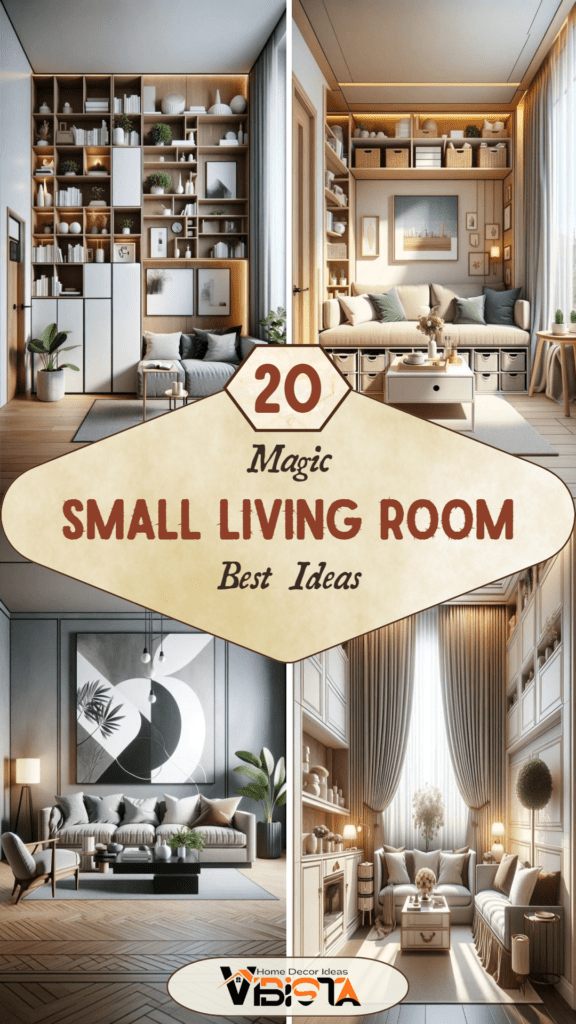 Save
SaveLove minimalist style or lean toward eclectic charm? Either way, these tips help you get the most out of the square footage you already have. Pour a cup of coffee and settle in for some practical ways to give your small living room a big dose of personality.
Top Ideas For A Small Living Room
1. Embrace Light Colors
 Save
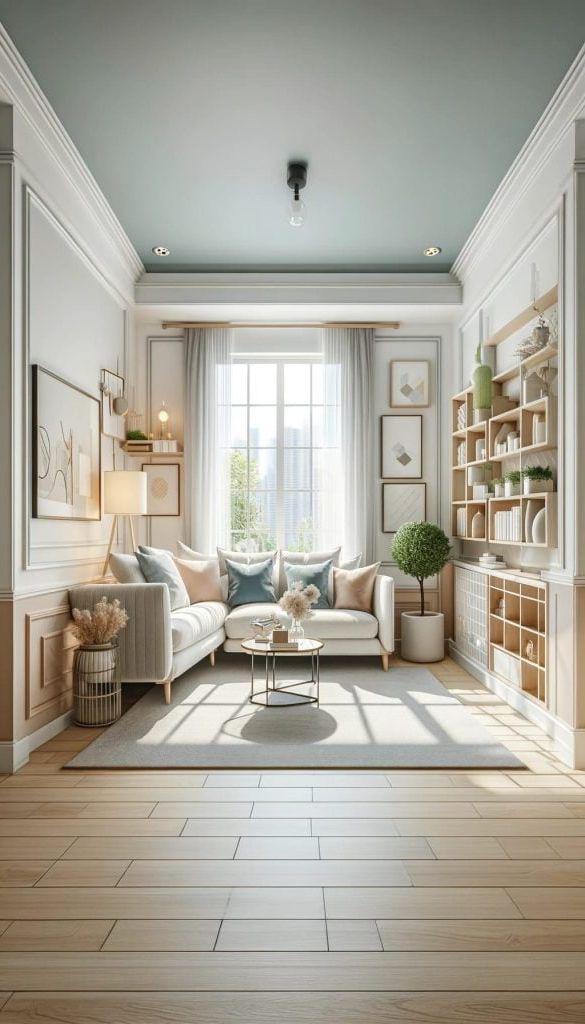
SaveLight colors are one of the easiest ways to make a small room feel bigger. They bounce natural light around the space instead of absorbing it, which opens things up instantly.
Soft white, cream, or pastel tones work well on walls, floors, and furniture alike. These shades give a room a fresh, airy feel and, paired with sheer curtains, can make even a windowless corner feel brighter. The result is a space that reads bigger than its actual square footage.
2. Strategic Use of Mirrors
 Save
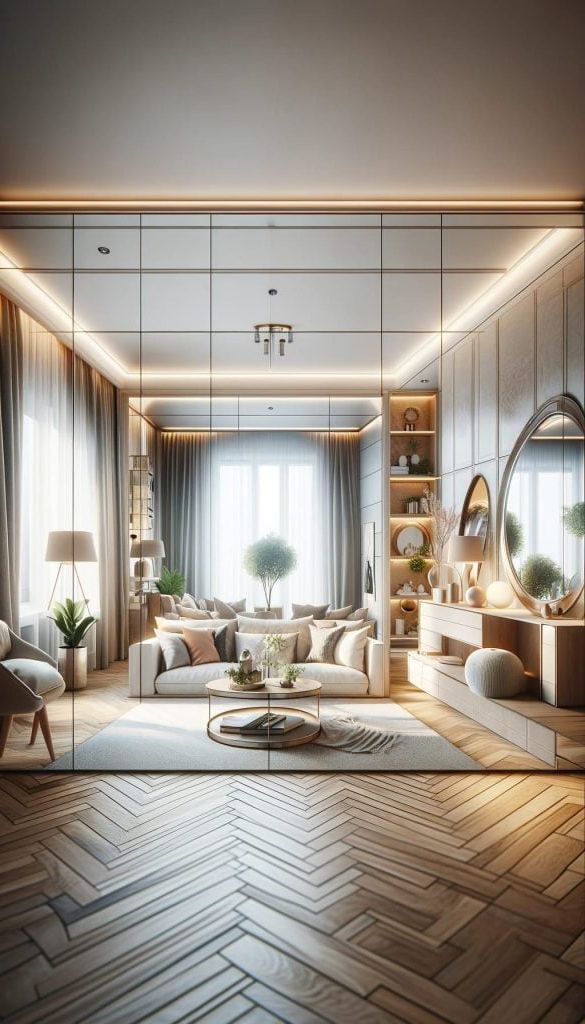
SaveA mirror is one of the simplest tools for tricking the eye into seeing more depth. Hang a large one across from a window to bounce daylight deeper into the room, or lean smaller mirrored pieces on shelves to add extra sparkle and openness.
3. Multi-functional Furniture
 Save
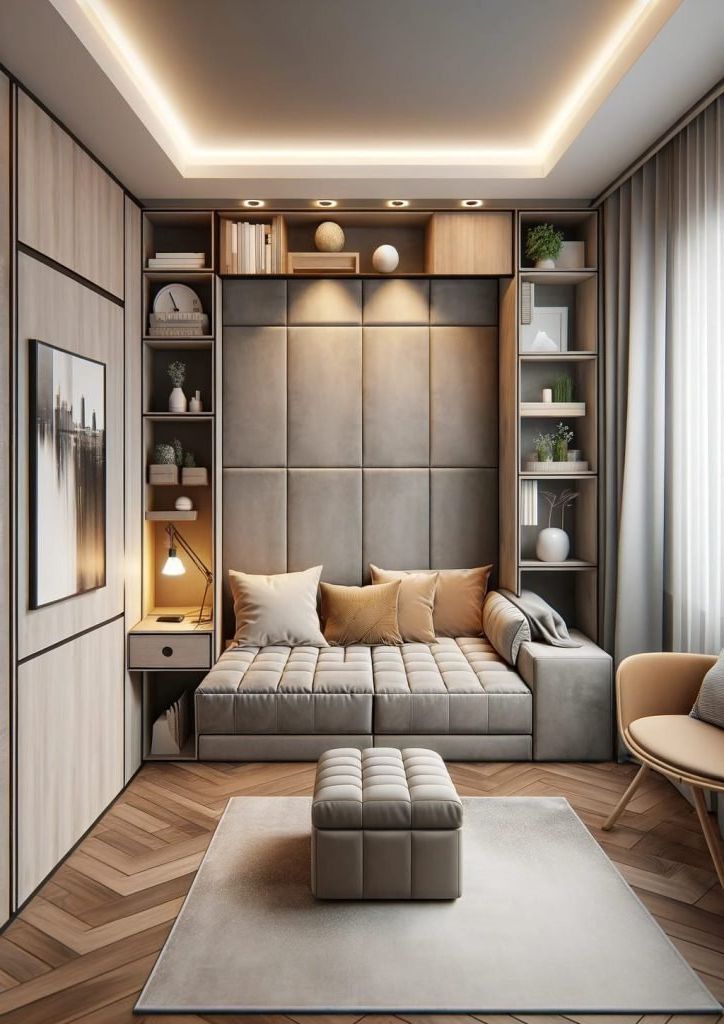
SaveMultipurpose furniture is worth the investment in a small living room. A sofa bed handles overnight guests, an ottoman with hidden storage swallows blankets and magazines, and nesting tables tuck away when you need floor space. Each piece pulls its weight without crowding the room.
4. Go Vertical with Floating Shelves
 Save
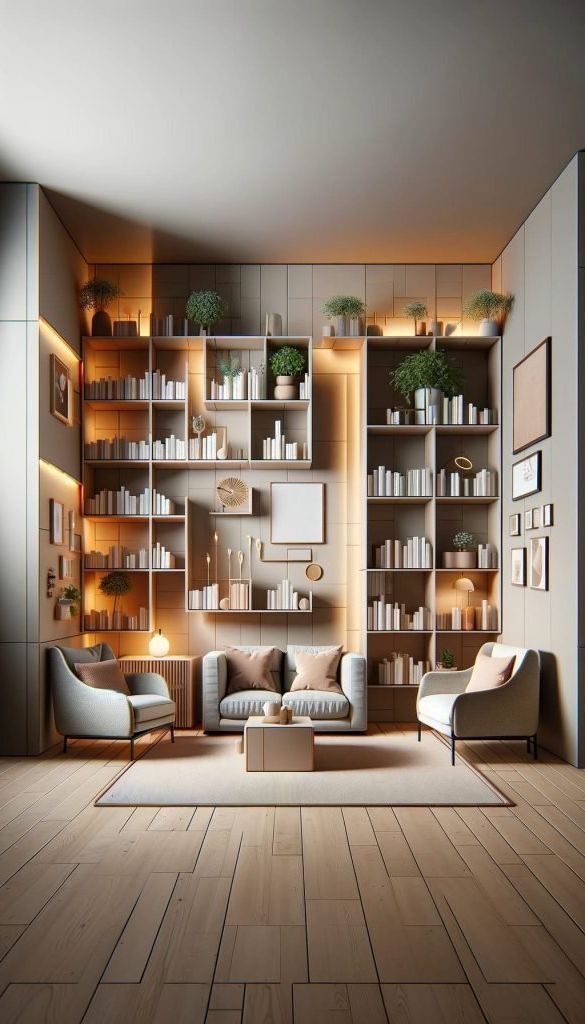
SaveDon’t ignore the wall space above eye level. Floating shelves hold books, plants, or framed photos without the visual bulk of a bookcase, and they pull the eye upward so the room feels taller. Keep the arrangement loose so it reads as display, not clutter.
5. Opt for a Large Rug
 Save
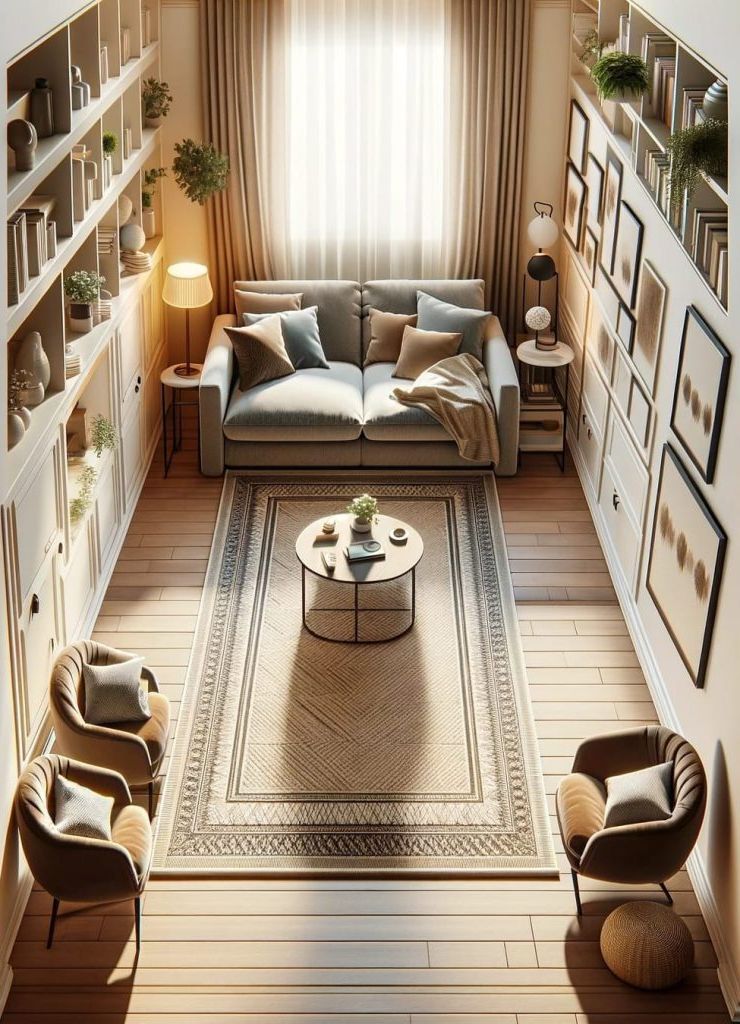
SaveOne oversized rug does more for a small room than several small ones scattered around. It ties the furniture together and defines the seating area, while a patchwork of little rugs tends to chop the floor into awkward, cramped-looking sections.
6. Mix Lighting Types
 Save
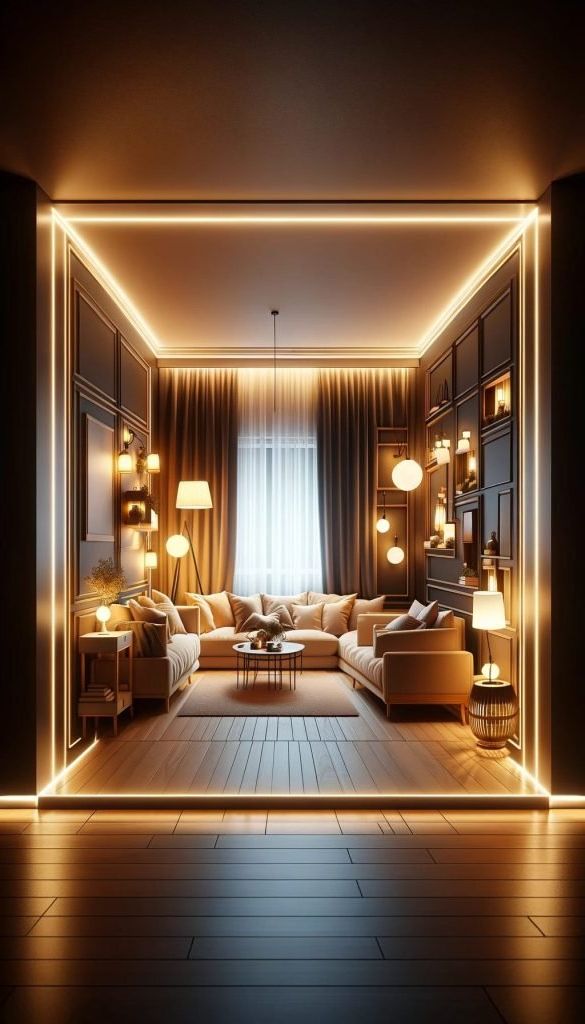
SaveGood lighting has layers. Mix overhead fixtures with table lamps and a wall sconce or two instead of relying on a single ceiling light.
Layered lighting adds depth to a room and, as a bonus, makes the whole space feel larger than it is. Try placing a lamp in a dim corner and a sconce near your seating area for an easy way to start.
7. Wall-Mount Your TV
 Save
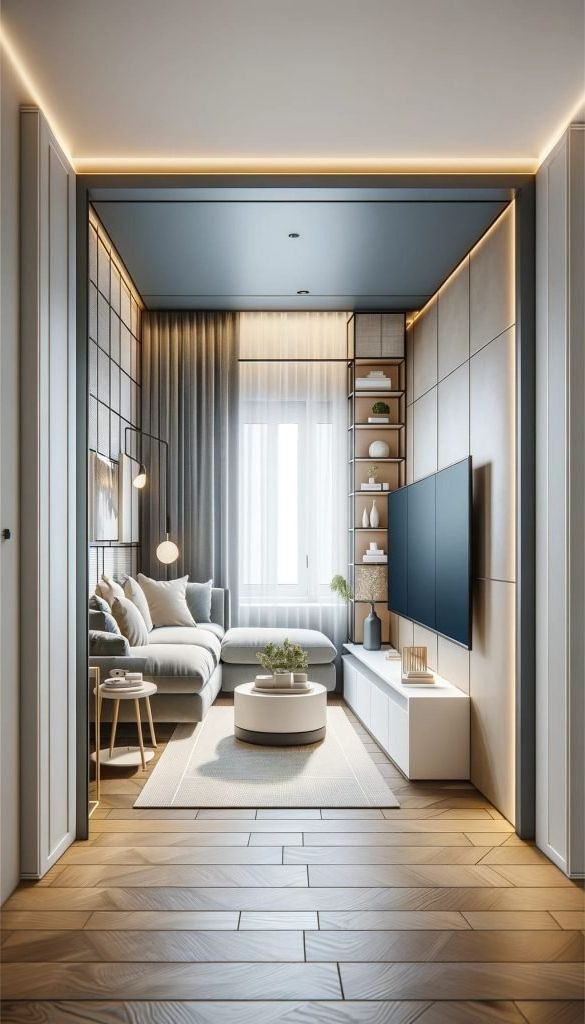
SaveA wall-mounted TV clears the floor of a bulky media stand and instantly tidies up the room. Beyond saving space, it gives the wall a clear focal point. Pick a slim frame or bracket that matches your existing decor so it blends in rather than sticking out.
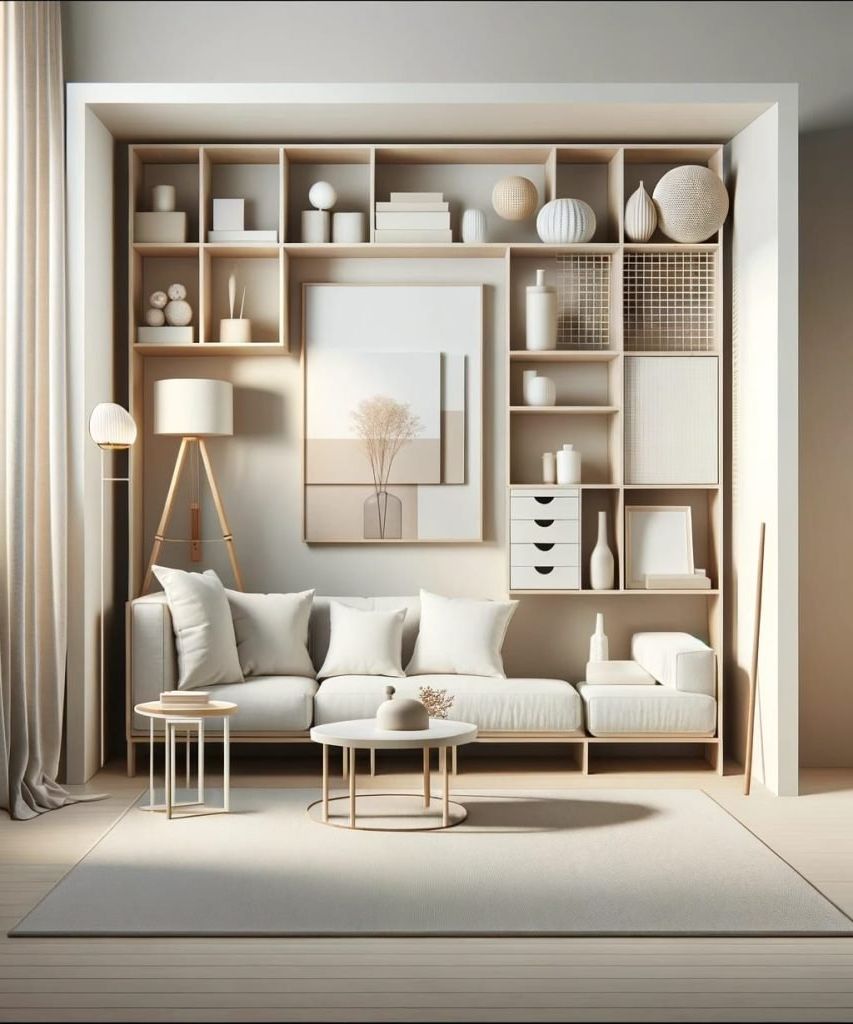
8. Minimalist Decor
 Save
SaveSmall rooms handle a few standout pieces far better than a shelf full of trinkets. Pick two or three items you genuinely love and let them do the talking instead of scattering knickknacks across every surface. A tidier room reads as a bigger room.
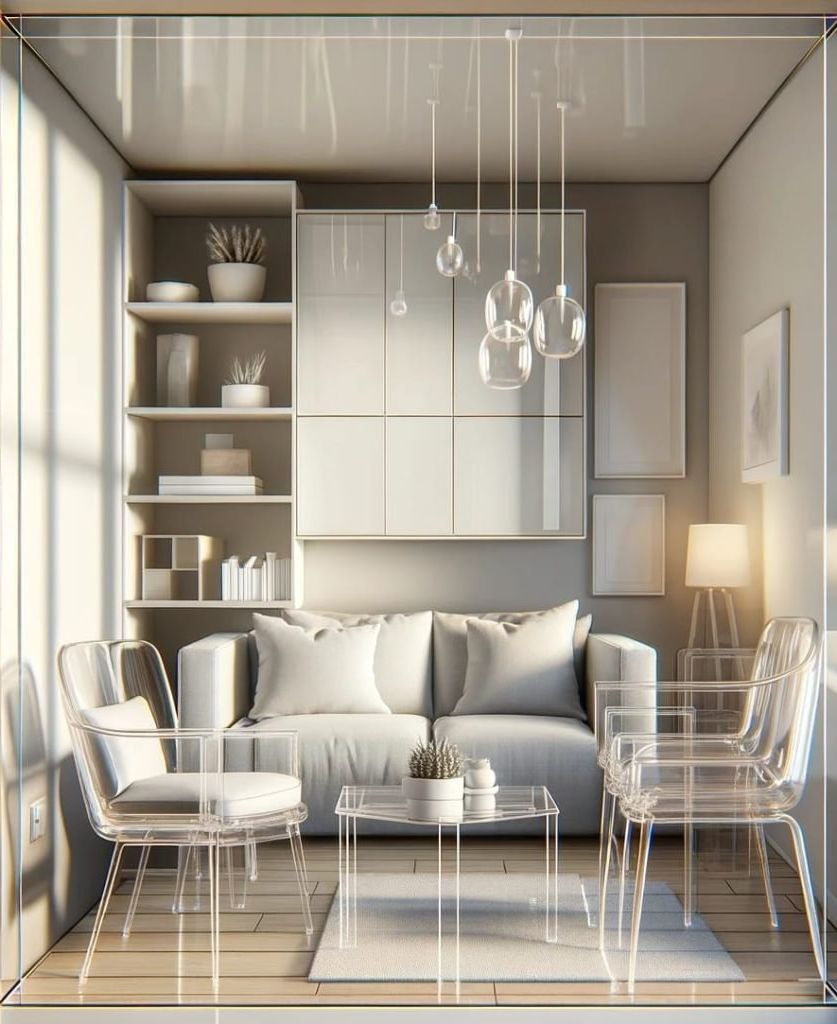
9. Transparent Furniture
 Save
SaveGlass and acrylic furniture do the job of a regular coffee table or side table while barely registering visually. Because you can see through them, they keep sightlines open across the room, so the space still feels light and uncluttered even with extra pieces in it.
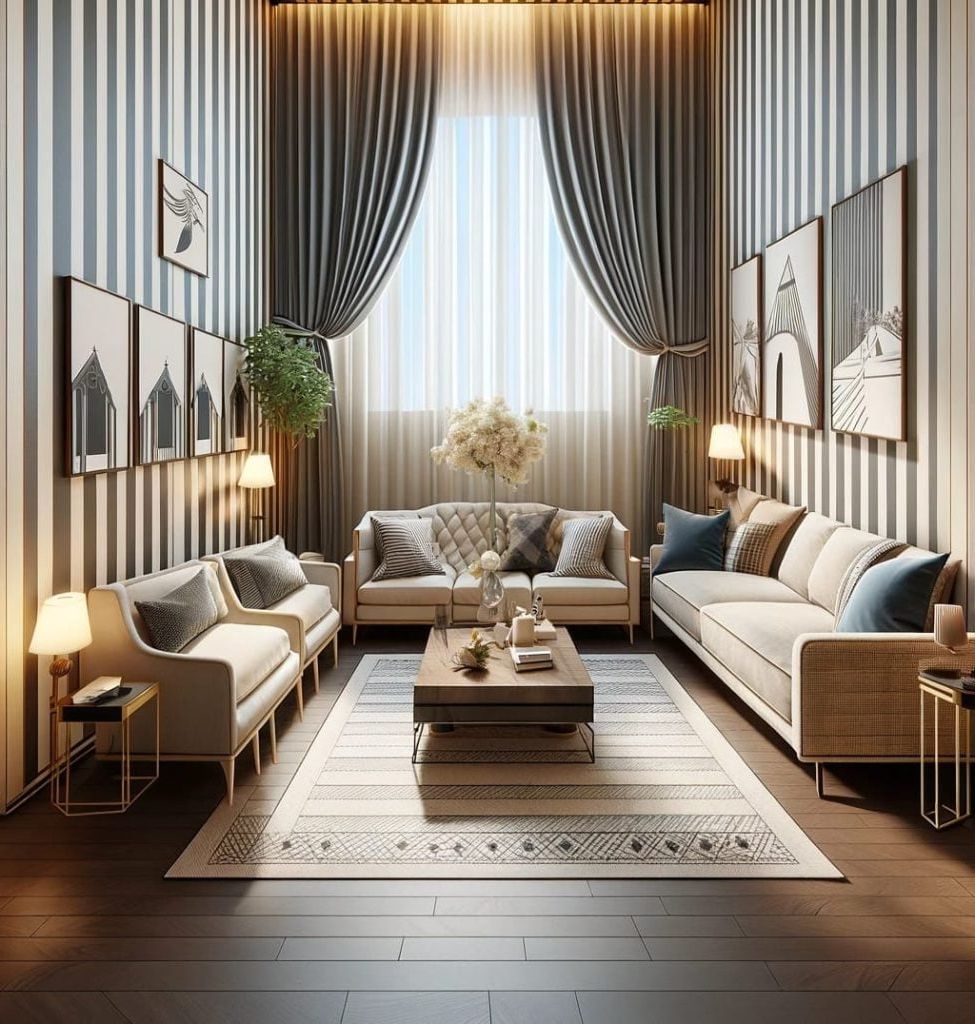
10. Vertical Stripes
 Save
SaveVertical stripes are a classic trick for tricking the eye into seeing taller ceilings. Work them into wallpaper or curtain panels and the lines will pull attention upward.
That upward pull is what makes a room feel bigger than its actual dimensions. It’s a small design move, but it’s worth testing in a room that feels boxed in.
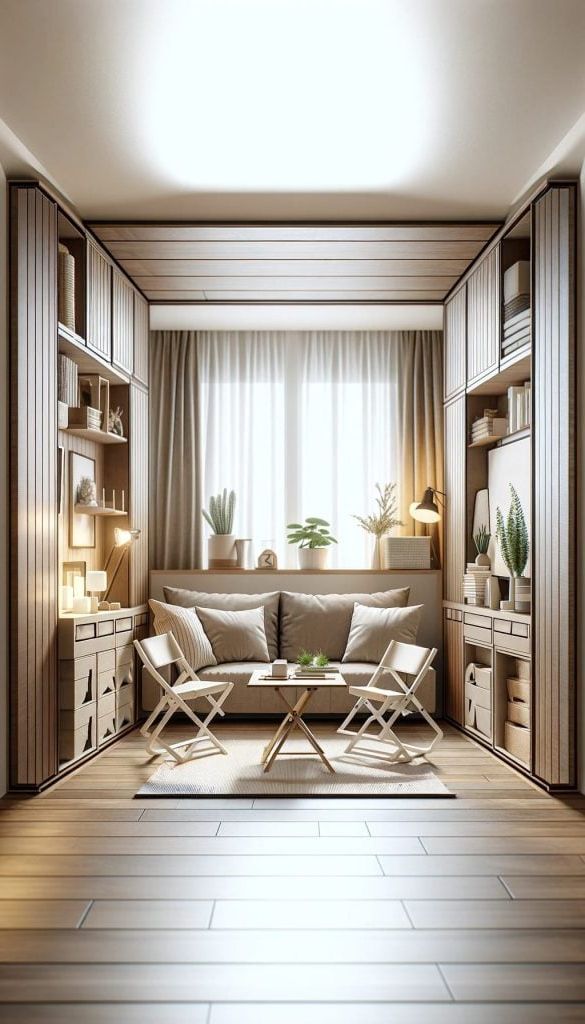
11. Folding Furniture
 Save
SaveFolding chairs and tables earn their keep in a small living room. Stash them in a closet when they’re not needed and pull them out for guests or a game night, giving the room extra flexibility without permanent clutter.
12. Elevate with Window Treatments
 Save
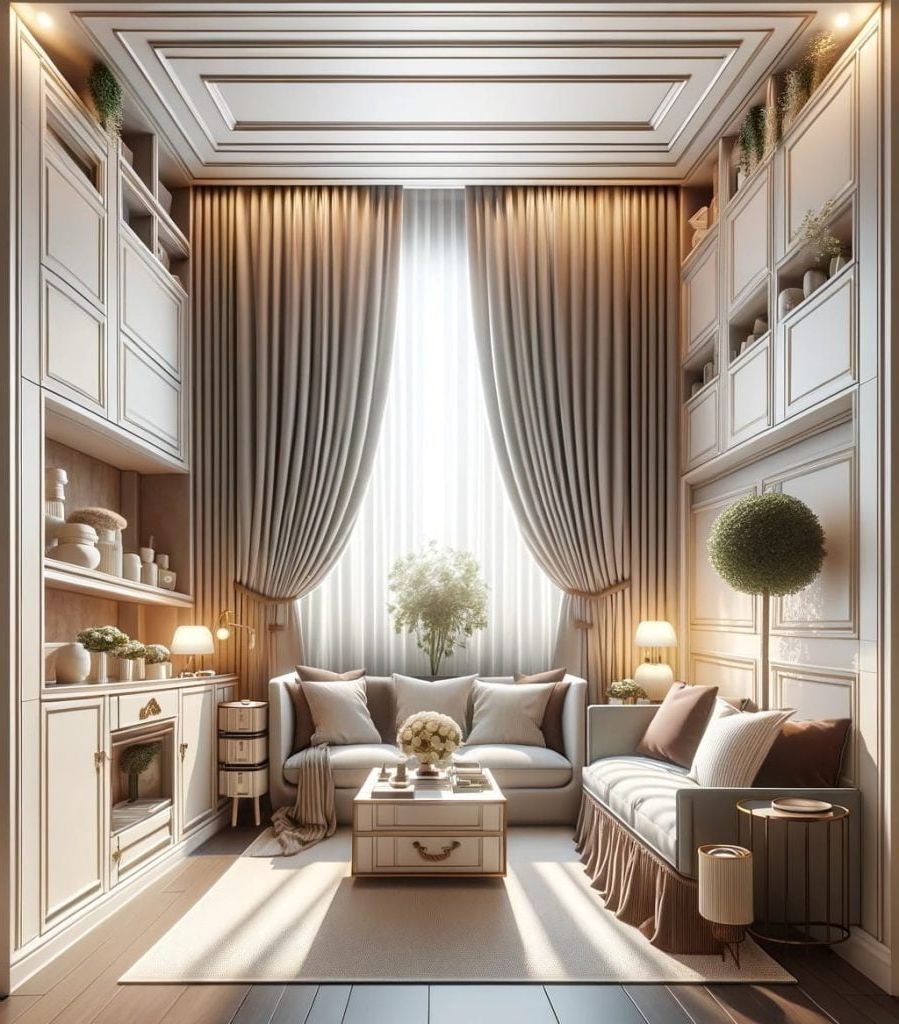
SaveHanging curtains closer to the ceiling than the window frame tricks the eye into seeing taller walls. Pair that trick with light, breezy fabric so daylight still filters through, and the room ends up feeling both taller and brighter.
13. Utilize Corners with L-Shaped Sofas
 Save
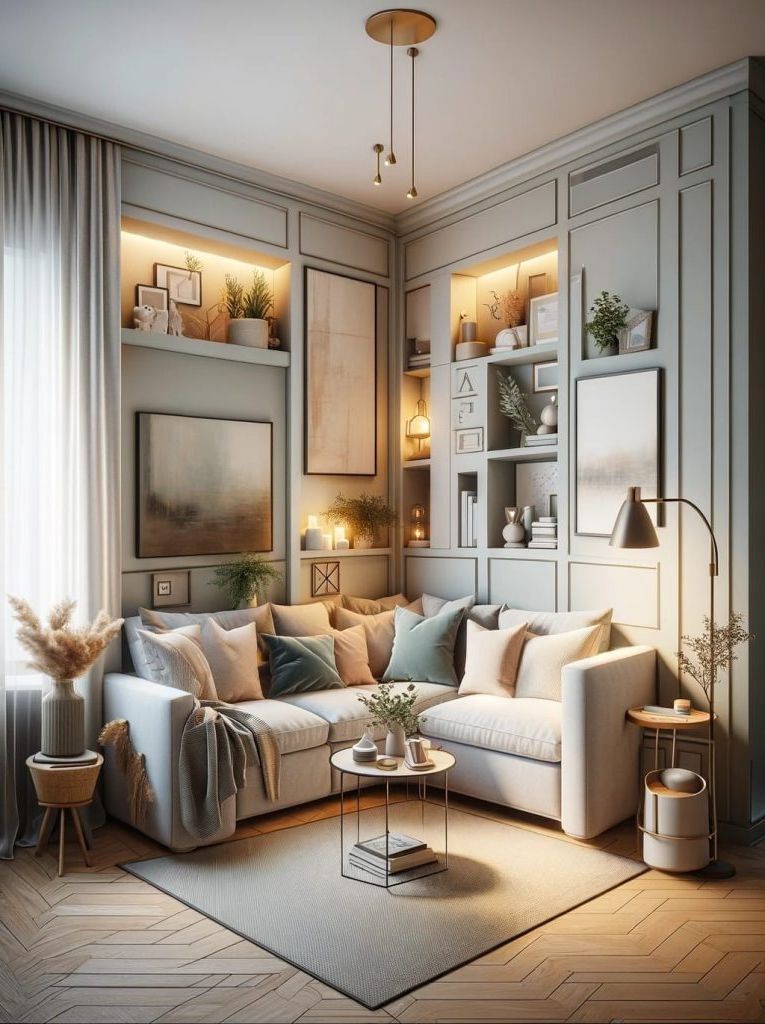
SaveAn L-shaped sofa or a snug corner chair squeezes more seating into less floor space than a standard sofa and loveseat combo. Both options tuck neatly into a corner, leaving the center of the room open for walking or a coffee table.
14. Under-Sofa Storage
 Save
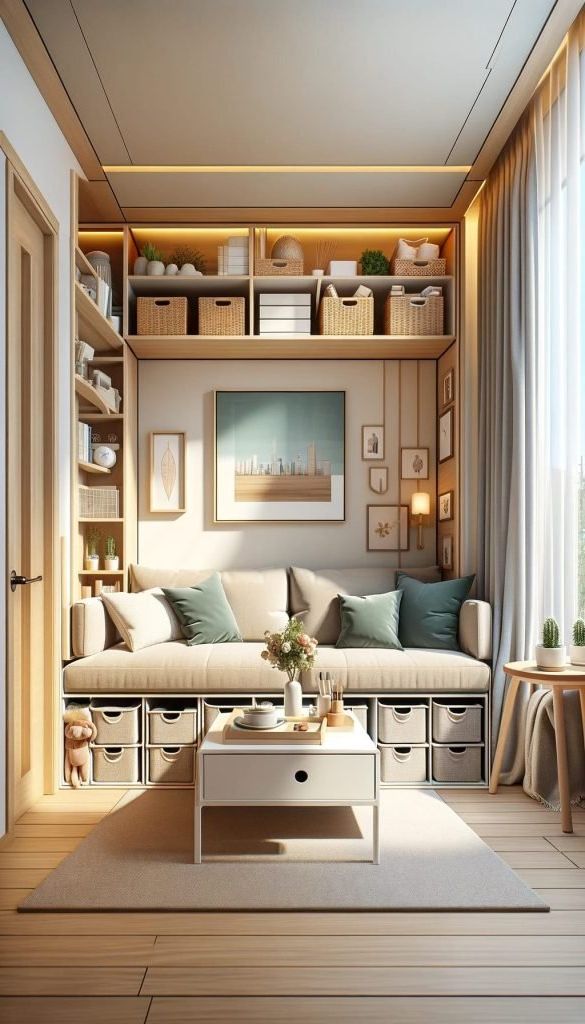
SaveA sofa with built-in storage underneath, or a few woven baskets nearby, gives you a place to stash blankets, remotes, and toys out of sight. Hidden storage like this keeps surfaces clear and the room looking tidy with far less daily effort.
15. Choose Bold Art Pieces
 Save
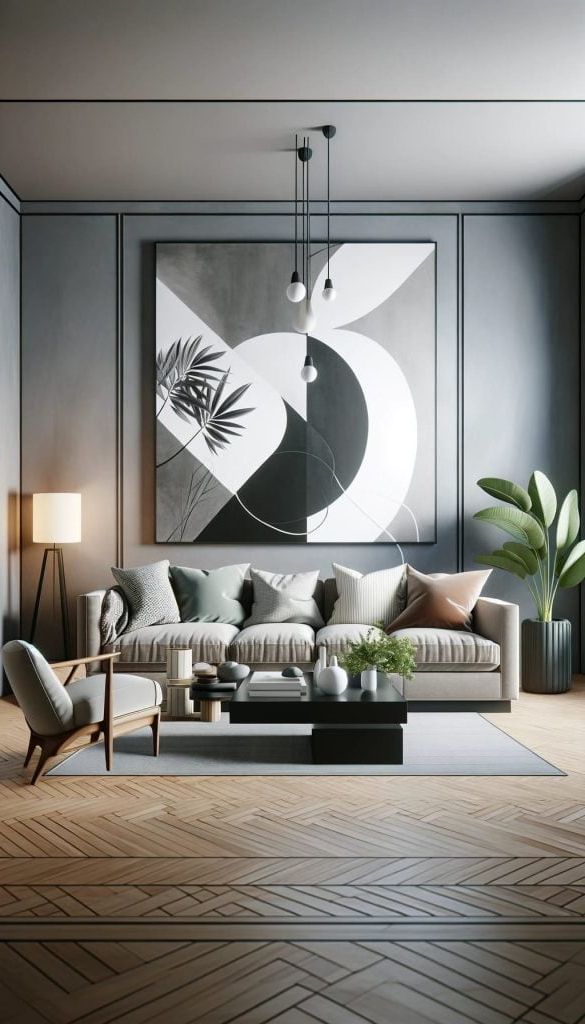
SaveSkip the gallery wall of small frames and hang one or two large art pieces instead. A single bold piece makes more of a statement and keeps the wall from feeling busy, which matters even more in a room with limited square footage.
16. Freshen Up with Plants
 Save
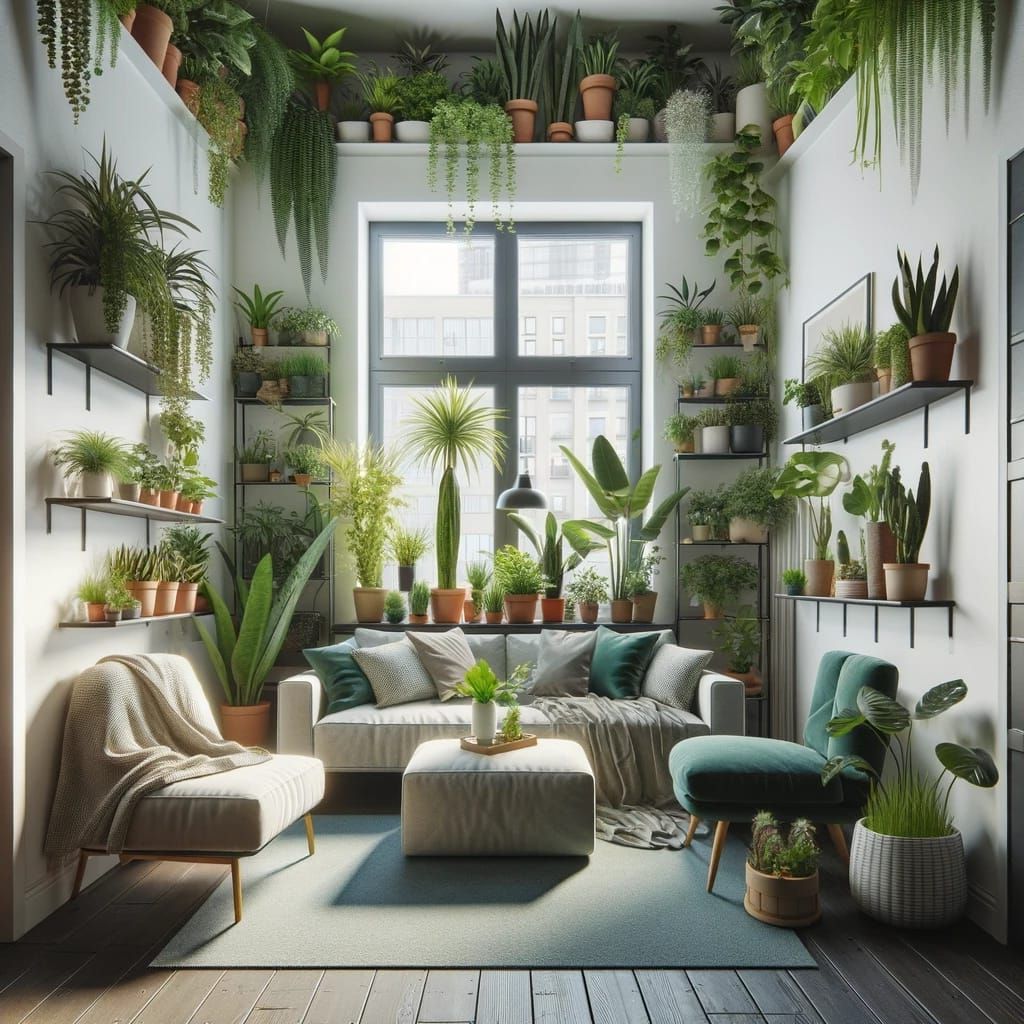
SaveHouseplants add color, texture, and a sense of life to a small living room. Pick varieties like pothos or snake plants that tolerate low indoor light, since they’ll thrive with minimal upkeep while still making the space feel fuller and fresher.
17. Make the Most of Wall Space
 Save
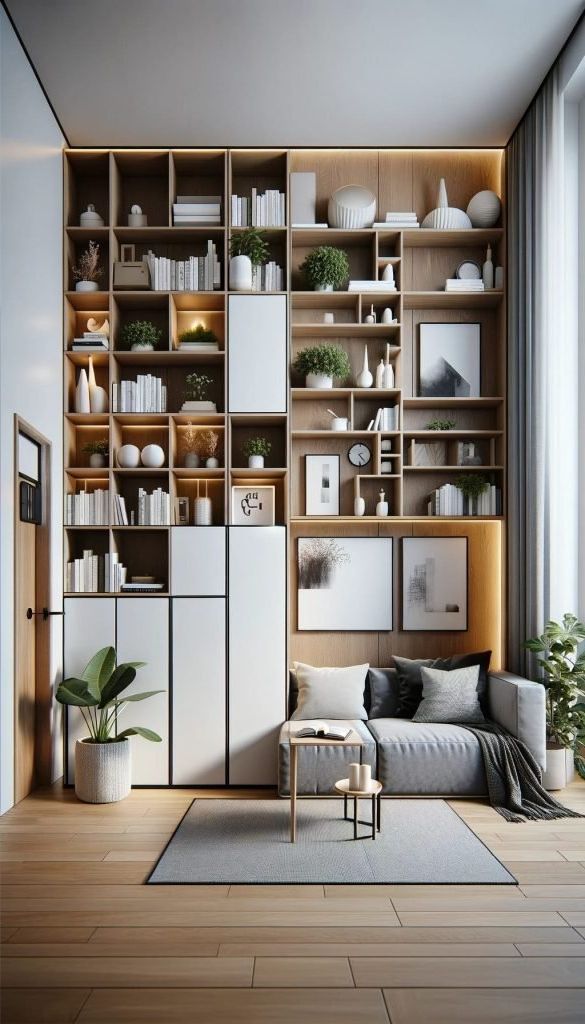
SaveWall-mounted cabinets and shelves give you storage and display space without eating into your floor plan. Keeping items up off the ground is one of the fastest ways to make a small living room look organized instead of cluttered.
18. Slide Away with Sliding Doors
 Save
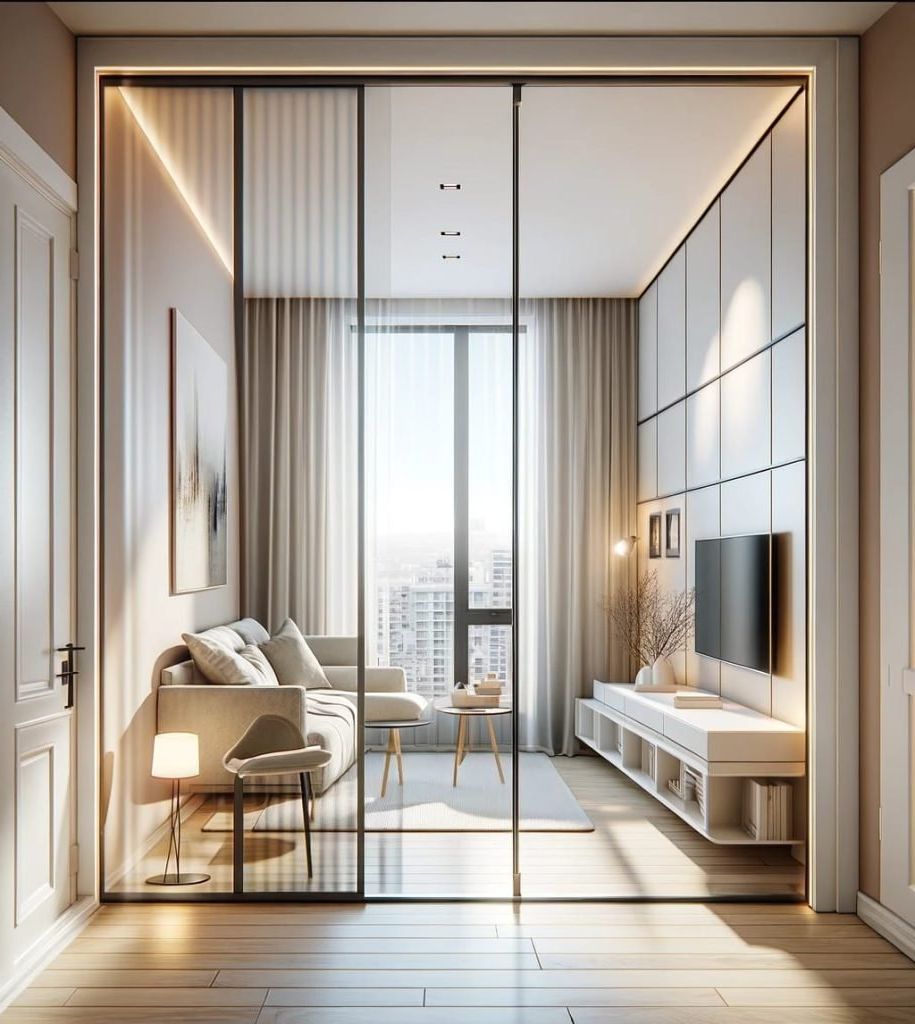
SaveSwap swinging doors for sliding ones wherever you can. A swinging door needs clearance to open, while a sliding door glides flat against the wall, freeing up floor space and giving the room a cleaner, more modern look.
19. Back of Door Organizers
 Save
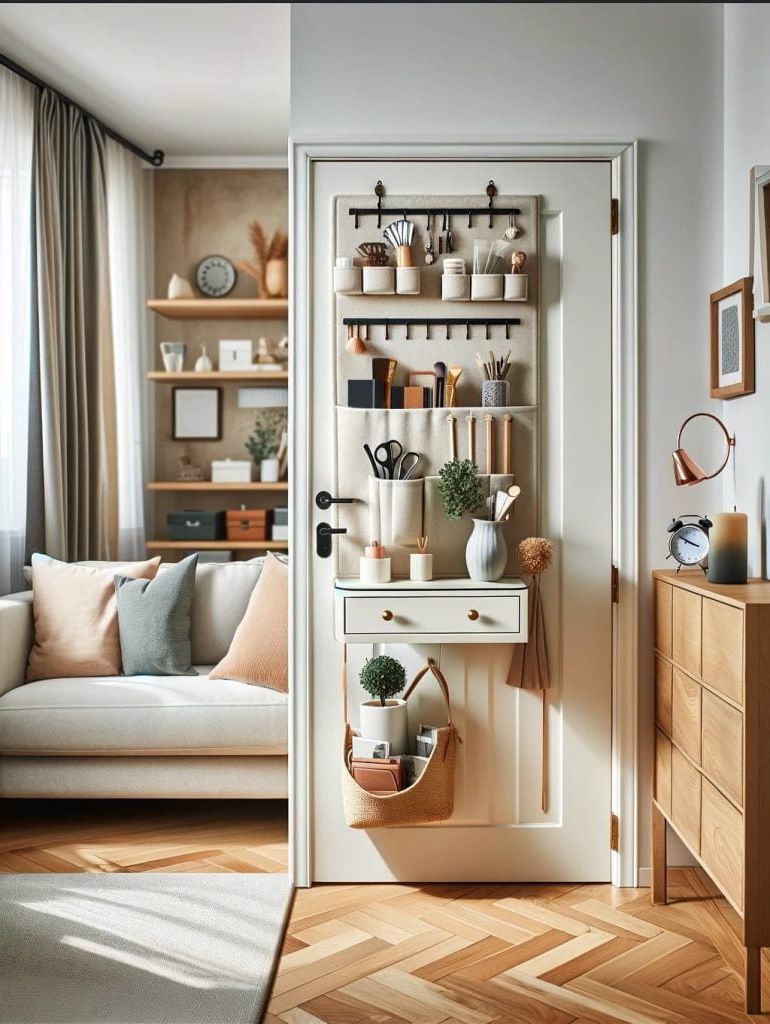
SaveThe back of a door is prime real estate that’s easy to forget. An over-the-door organizer can hold shoes, scarves, or small tools, keeping everyday items out of the main living area and off your shelves.
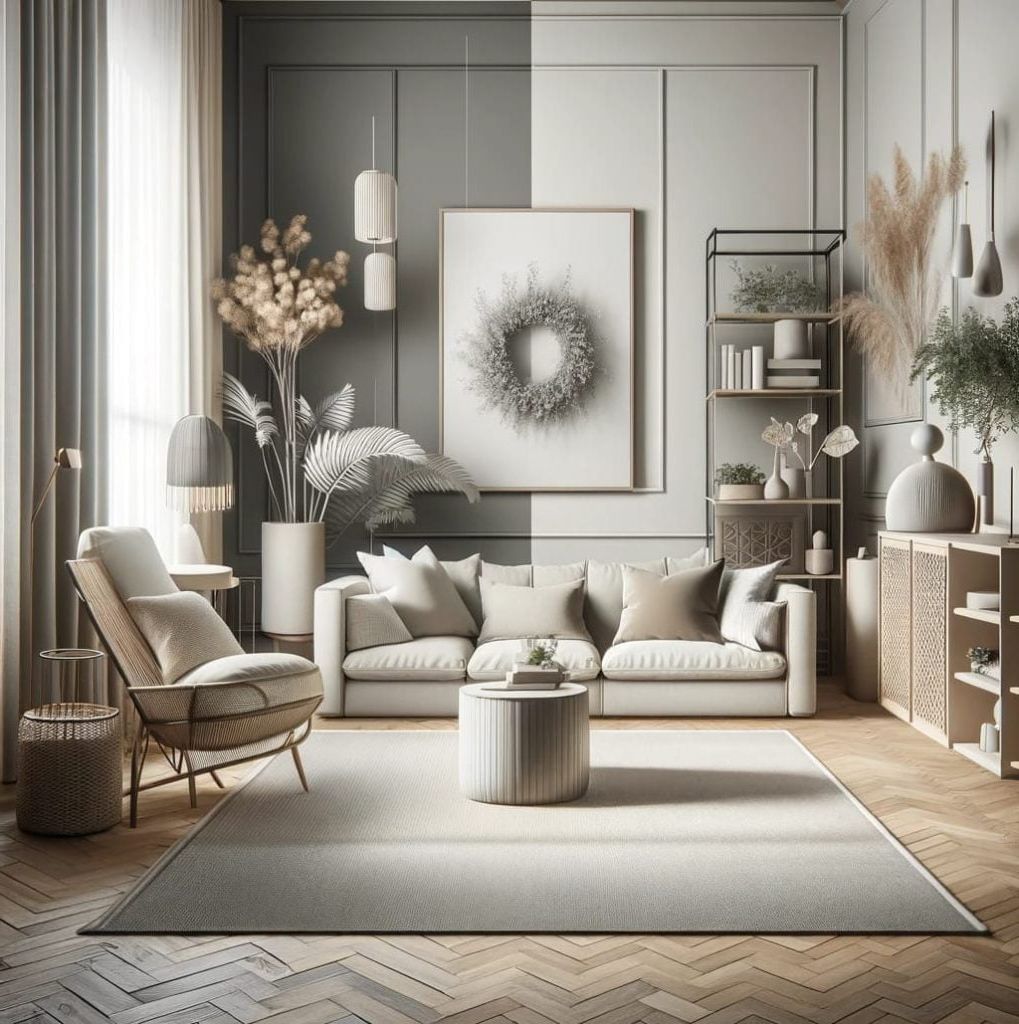
20. Stick to a Neutral Palette
 Save
SaveA neutral or monochromatic palette ties a small living room together visually and makes it feel larger at a glance. It also gives the space a calm, polished look that’s easy to build on with texture or a single accent color.
Conclusion:
Making a small living room feel bigger and cozier doesn’t take a full renovation. These 20 ideas are practical starting points for a space that feels more open and more welcoming.
Smart choices matter most: the right color palette, furniture that serves more than one purpose, and a few personal touches that reflect your taste.
These ideas go beyond squeezing more into a small footprint. Try even a handful of them and watch a cramped living room turn into a space that feels open, functional, and genuinely yours to enjoy.