
59 Lobby Designs Embracing Modern Elegance Today
What gives a lobby that polished, high-end look? Is it the glossy marble underfoot, a bold sculpture anchoring the room, or furniture that flows naturally from one zone to the next? This piece breaks down how to approach lobby design and offers practical ideas for turning a simple pass-through space into something guests remember. A five-star hotel, a downtown office tower, and a small boutique property all need different solutions, but the tips below will help any of them look sharp and still work well for daily traffic.
Grand Entries That Wow Guests
A lobby’s entrance sets the tone before a guest takes a second step inside, so I always design it to feel welcoming and easy to read at a glance. Think of it as a handshake: it needs to be striking, simple to navigate, and honest about the style waiting beyond it. Wide doors, an open entryway, and a clear sightline into the main space work together to build that first impression fast. Small details on the walls and floor near the door matter too, since they set expectations before a guest reaches the front desk.
 Save
Save
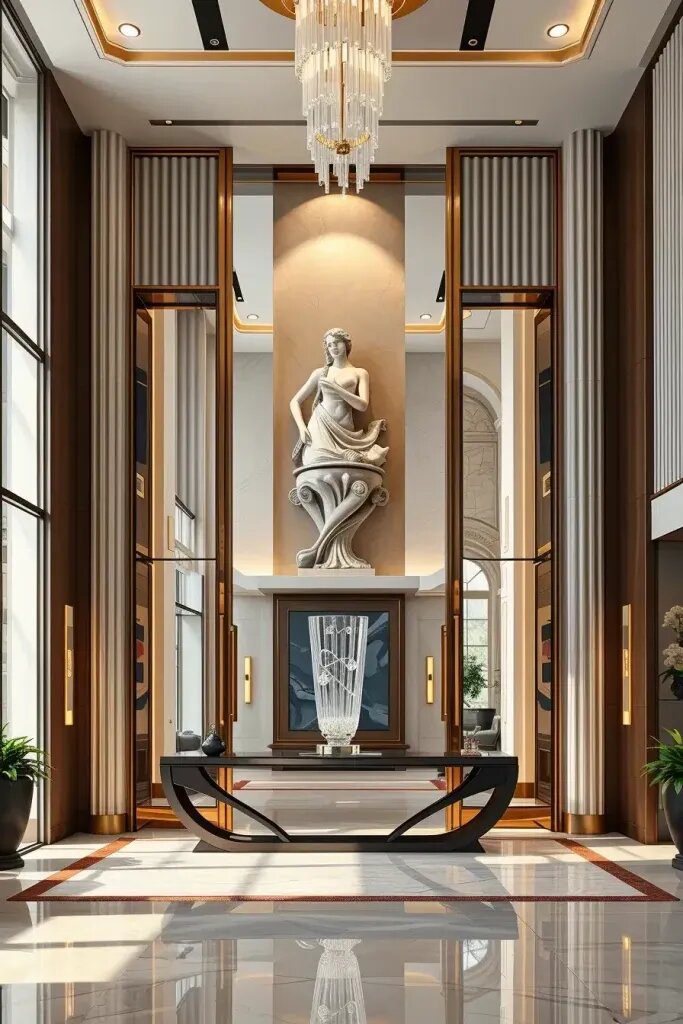
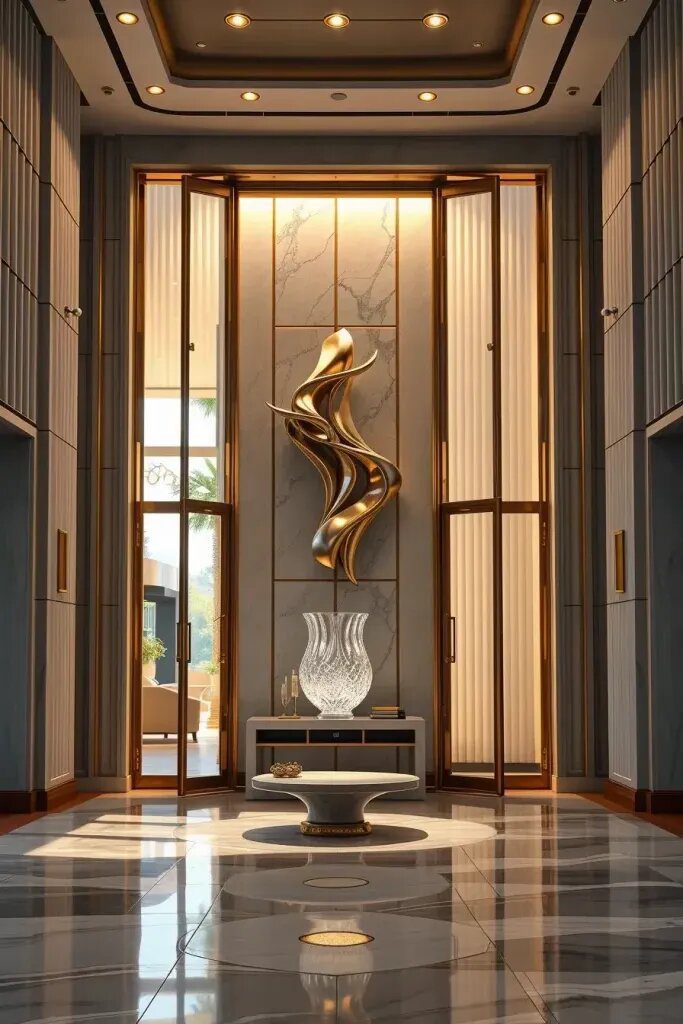
Grand pivot doors in rich wood or bronze framing make a strong opening statement. A transition zone benefits from something worth a second look, like backlit wall panels or a piece of art placed at eye level. On the console table, a crystal vase or a carved stone sculpture adds a bit of polish without cluttering the surface. Lighting finishes the job: recessed fixtures or pendants overhead direct attention exactly where you want it, without flooding the space with brightness.
 Save
Save
Going bold at the entrance pays off for how a brand is perceived, and I’ve seen this play out on several projects. Architectural Digest made a similar point once, noting that a striking entrance sets expectations for everything that follows inside a building. That tracks with my own experience: when the first few steps into a space feel impressive, the rest of the lobby tends to read as more luxurious by association.
Symmetrical columns or fluted wall panels near the entrance do double duty, guiding guests toward the reception desk while signaling a warm welcome. A water wall behind the front desk is another option worth considering. The sound and motion of falling water create a calming buffer between the noise outside and the quiet, upscale atmosphere inside. It’s a small architectural cue, but guests notice the shift the moment they hear it.
Marble Flooring Ideas for Luxury Lobbies
Flooring does more work than people expect; it sets the tone for a room and makes the walls and furniture around it look better by comparison. Marble flooring in a lobby signals strength and luxury the moment guests step onto it. Each slab’s veining is naturally unique, so the floor reads almost like installed art, and it suits both traditional and contemporary lobby styles equally well. White Calacatta, warm Emperador, and dozens of other marble varieties give designers plenty of room to match a building’s palette while still holding up to heavy daily foot traffic.
 Save
Save
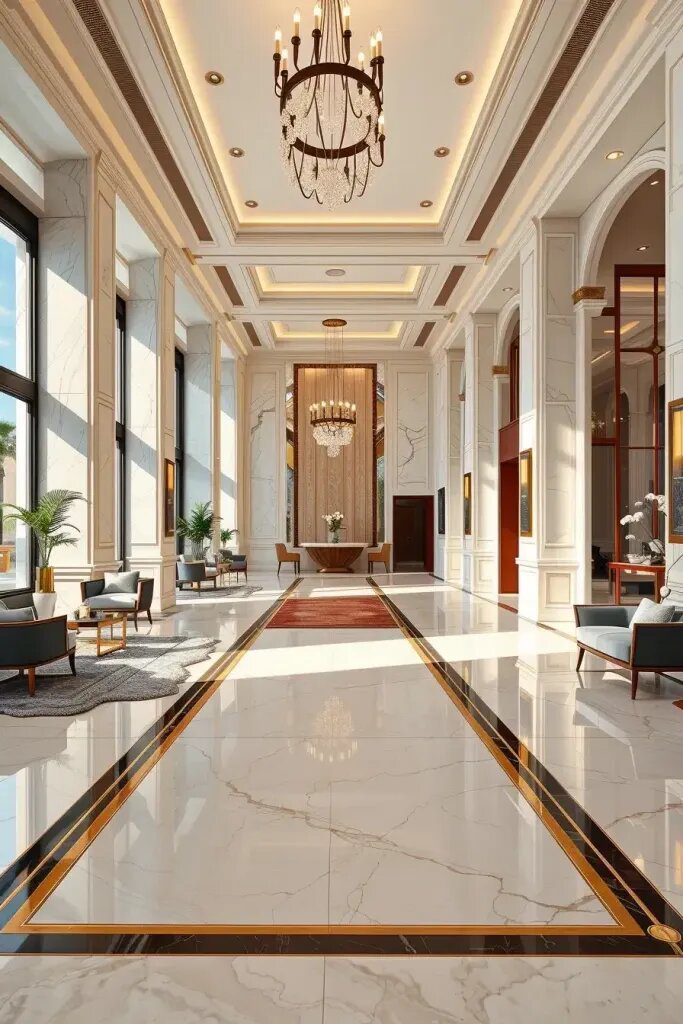
Large-format marble tiles cut down on grout lines and give a lobby floor a clean, continuous look. Borders in a contrasting stone, like dark Nero Marquina against beige Crema Marfil, add definition without breaking up the flow. Polished finishes bring more shine and reflect light, while honed stone offers a quieter, more matte alternative that hides scuffs better in high-traffic zones. Brass or stainless steel inlays can highlight walkways or mark transitions between seating areas.
 Save
Save
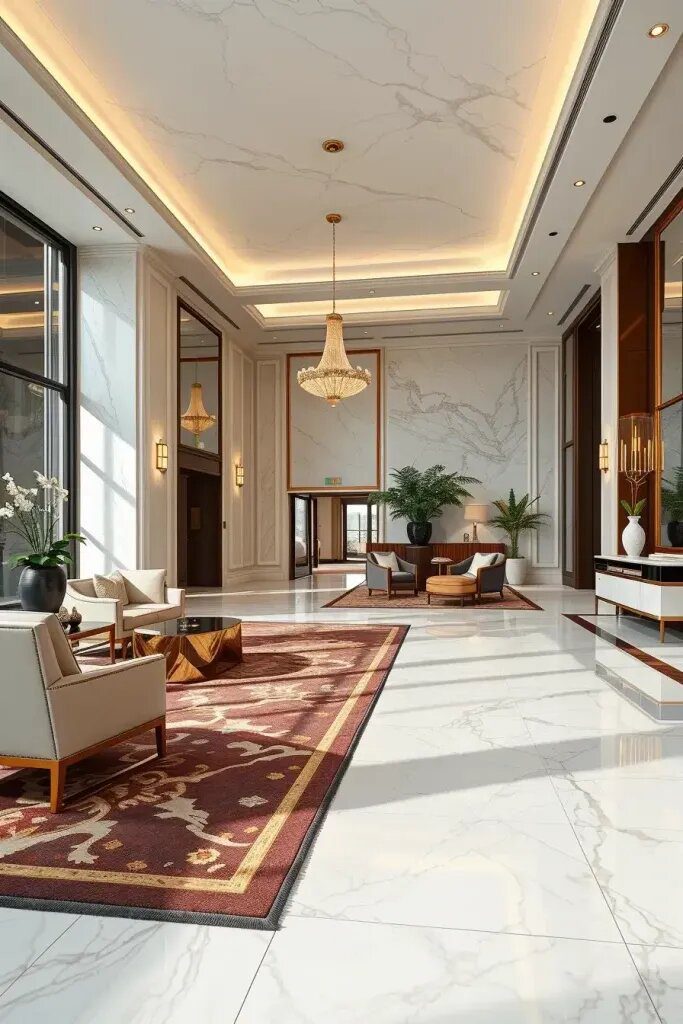
Book-matched marble slabs, where two adjacent cuts mirror each other’s pattern, create a dramatic focal point behind reception desks or in lounge seating areas. Elle Decor has pointed out that natural stone carries a lasting appeal that few materials match, and that holds true in practice. Marble floors age well, resist going out of style, and generally raise the perceived quality of everything placed on top of them.
Soft area rugs placed over marble in waiting zones soften the hard surface underfoot and break up large stretches of stone visually. Edge-lit transitions and underfloor lighting are worth adding too, since they highlight the natural veining in the marble and give the floor more depth after dark.
Statement Chandeliers That Elevate Lobby Design
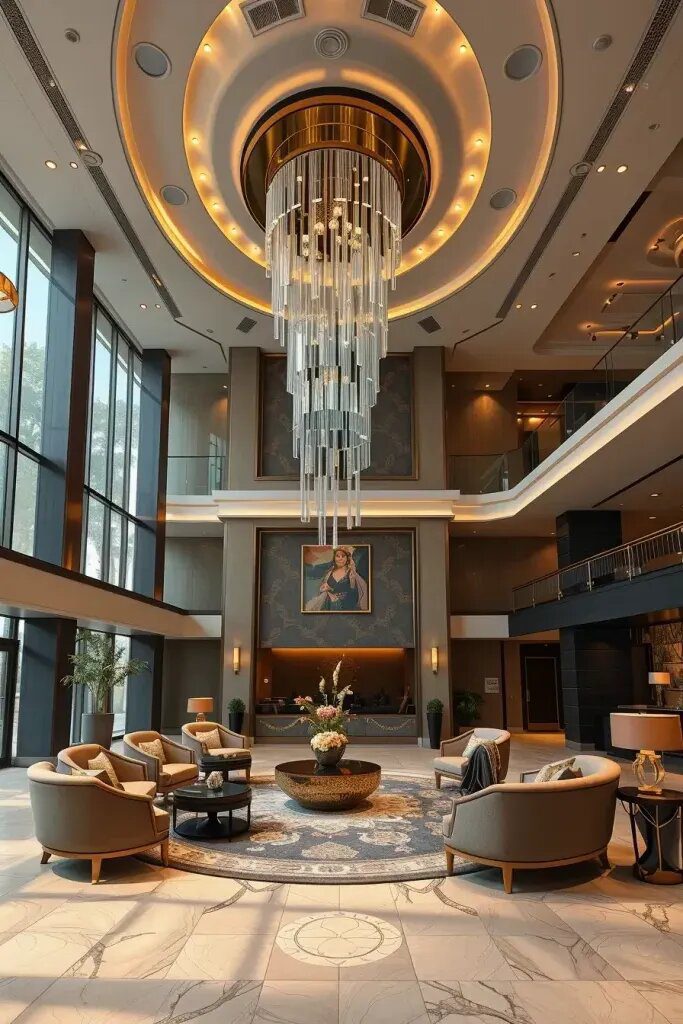
A well-chosen chandelier does more than decorate a lobby; it brightens the room and pulls the eye upward, which makes the space feel taller and more open. In lobbies with high ceilings, I reach for fixtures with a bold silhouette or cascading lights, since they turn a simple light source into a focal point guests remember.
 Save
Save
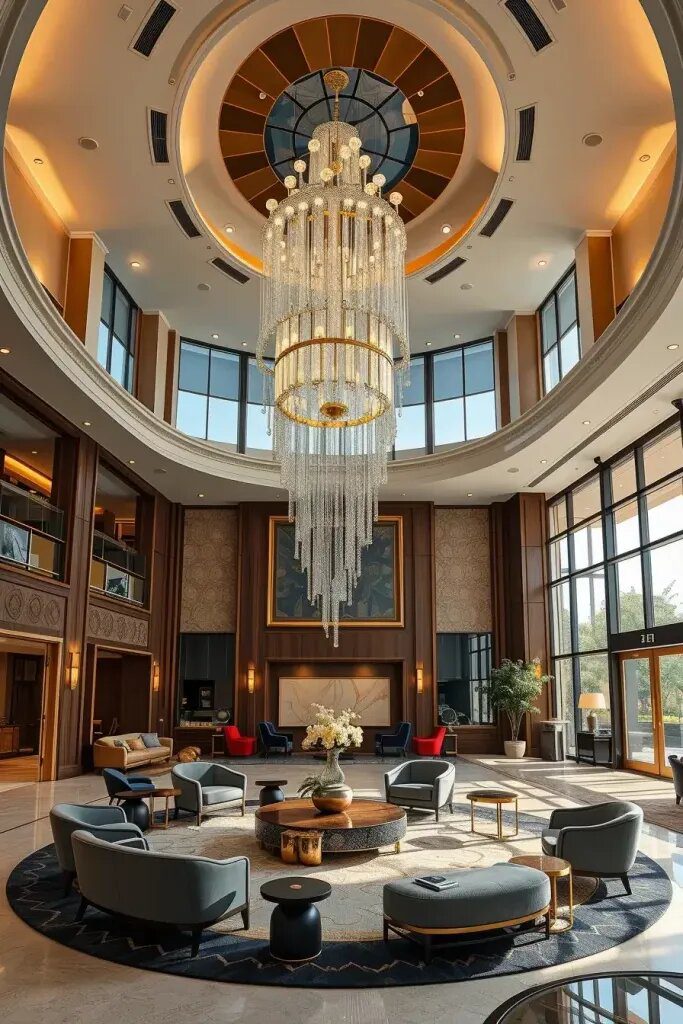
Material choice changes the entire mood of a chandelier: glass reads as classic, crystal leans formal, and metal or powder-coated frames feel more modern and architectural. I’ve designed fixtures shaped like blooming flower buds and others that echo a building’s specific theme or history. Centering a chandelier above a round rug or a cluster of round seating ties the fixture to the furniture below and gives the whole layout a sense of intention.
 Save
Save
Lobby lighting should work like a well-chosen piece of jewelry, noticeable but never overwhelming. Interior Design Magazine has noted that oversized chandeliers are returning to shared and public spaces, and guests do respond to them; I’ve watched people pause and look up the moment they walk in. That kind of reaction, even a brief one during a property tour, tends to raise how visitors judge the space overall.
Dimming the chandelier in the evening and layering in floor uplights changes the entire feel of a lobby after dark. This lets one space serve a bright, functional daytime role and a quieter, more atmospheric one at night, without any structural changes.
Custom Art Installations for Upscale Spaces
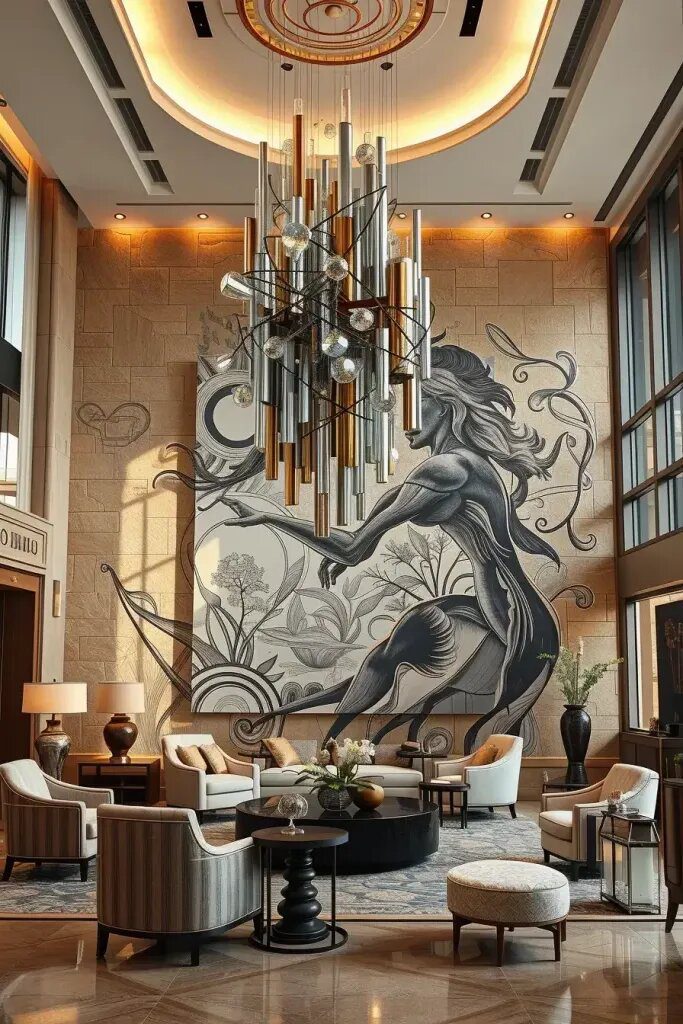
Art in a lobby does more than fill wall space; it tells a story about the brand, the company, or the town around it. Commissioning an original piece built specifically for that spot gives a lobby a sense of culture and identity that a mass-produced print never will. I look for work that can’t be found anywhere else, since that uniqueness is what makes the space memorable.
 Save
Save
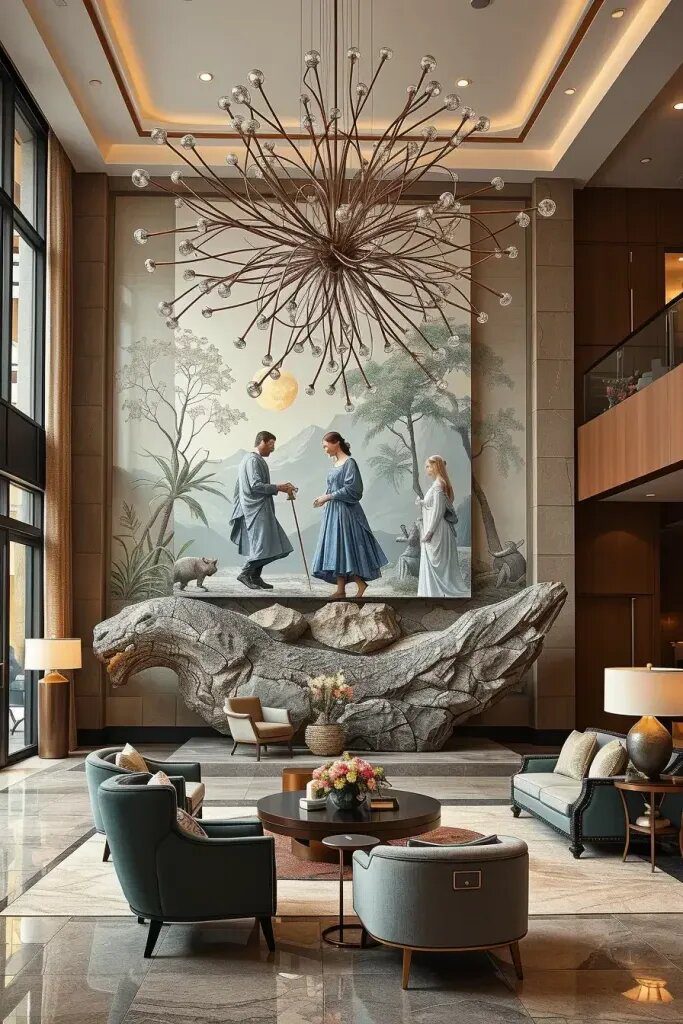
Every design decision, whether it’s a metal-and-glass sculpture or a large wall mural, needs to work with the rest of the room rather than compete with it. I match furniture and finishes to the colors and materials already present in the lobby so the whole space reads as one cohesive design. Partnering with local artists is one of my favorite parts of this process, since their work tends to capture the character of the city and the building better than an outside vendor could.
 Save
Save
Letting visitors photograph the artwork adds real value for clients, since it turns the lobby into something people want to share. Dezeen has reported that immersive art installations draw more foot traffic into lobbies, which matches what I’ve seen firsthand. One project I’m especially proud of involved a cloud sculpture above the concierge desk that responds to interactive sensors and lights up as people pass underneath.
QR codes on art plaques let guests pull up an artist’s biography or a short audio tour on their phone while they walk through the lobby. It’s a simple way to add an educational layer to the space and give the whole installation a curated, gallery-like feel, all without cluttering the plaque itself with extra text.
Furniture Layouts Where Style Meets Function
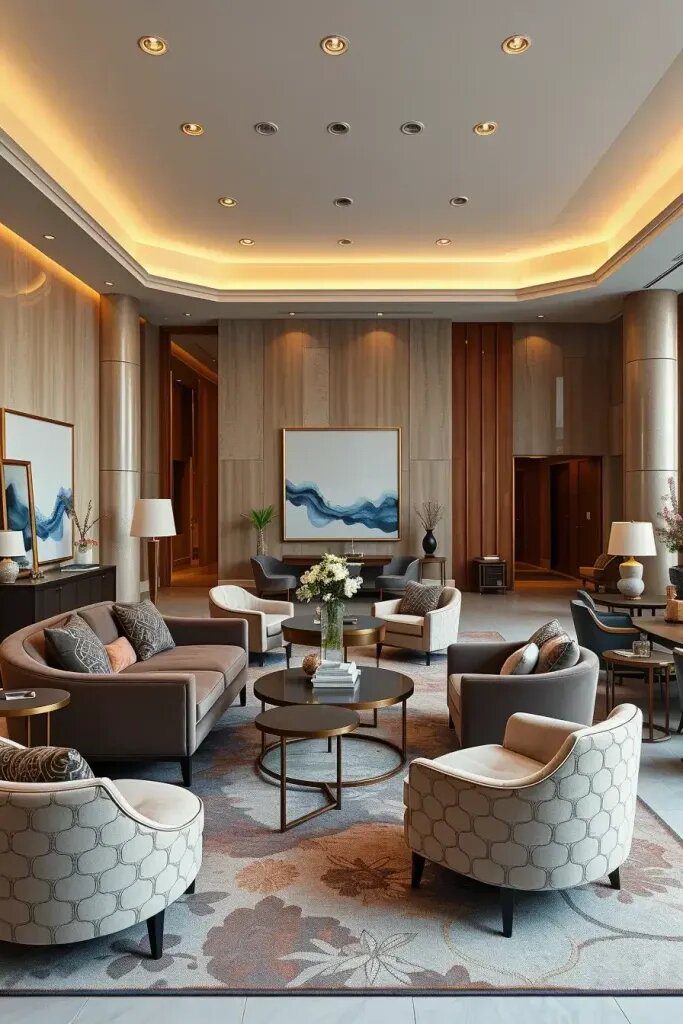
Furniture in a shared lobby or meeting area often gets arranged without much thought for how people actually move through the room. I treat it more like choreography: every chair and table placement should let people walk, gather, or sit down without bumping into something. A lobby needs to look good from every angle, but it also has to let guests move freely without a sofa or column blocking the main sightline.
 Save
Save
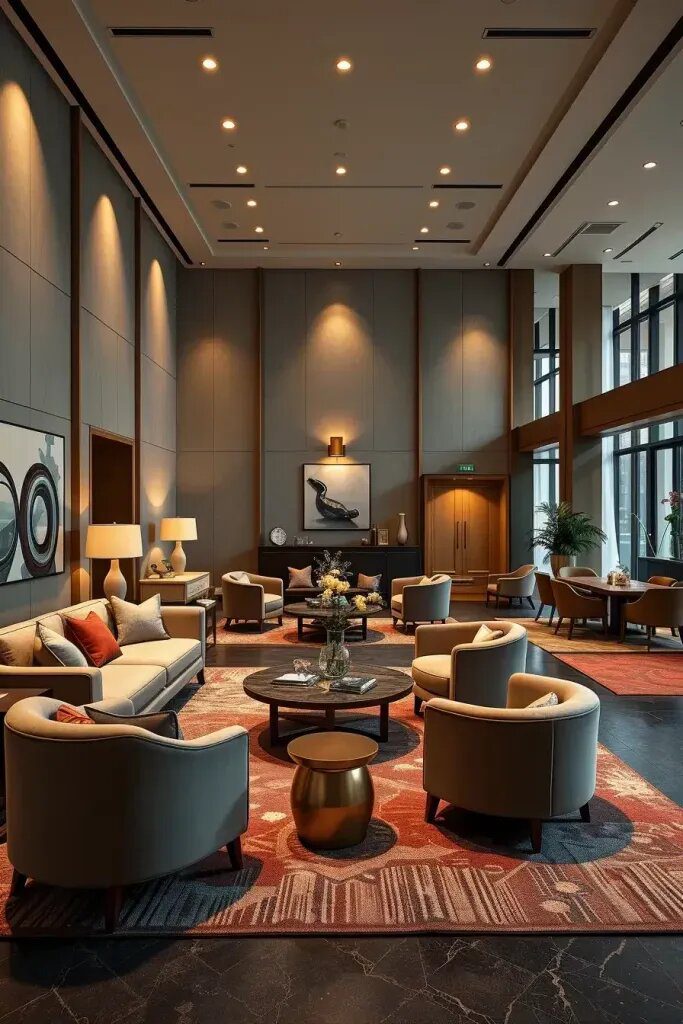
Clustered modular seating tends to feel more inviting than rows of matching chairs lined up against a wall. I like mixing curved sofa backs, low loungers, and unusual coffee table shapes to build small, distinct pockets of seating within one open room. These clusters work well for a quick meeting, a short wait, or just a place to sit down for a few minutes. Built-in side tables and hidden charging stations keep the area tidy and functional without adding visual clutter.
 Save
Save
Every new project starts with a layout that considers how people actually move and feel in a space, not just how the furniture looks in a rendering. Hospitality Design has observed that lobbies increasingly resemble living rooms more than formal waiting rooms, and that shift makes sense to me. A good layout flexes between a formal business meeting in the morning and a relaxed coffee break in the afternoon. Materials matter here too: velvet, boucle, and leather each add texture and warmth that make surrounding colors look richer and more saturated.
One large area rug, or a few smaller ones placed strategically, can mark off different zones in an open lobby without adding walls or partitions. Guests move through the space more naturally when the flooring itself signals where one area ends and the next begins.
Layering Textures for Depth in Lobby Interiors
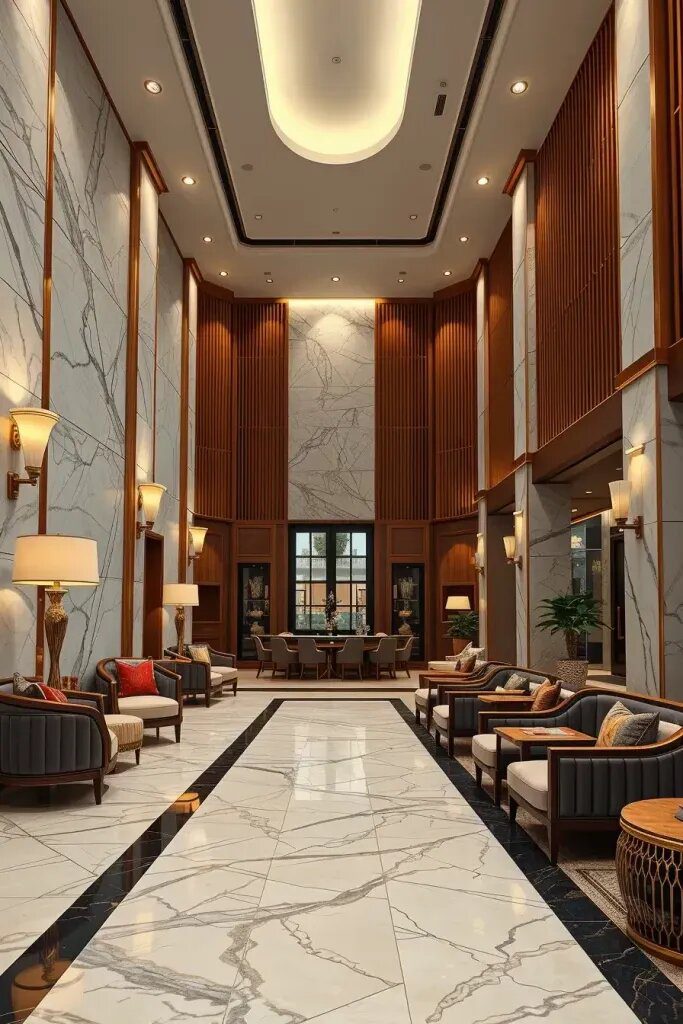
Luxury often comes down to a feeling guests can’t quite name, and texture is a big part of building that feeling. Layering stone, metal, wood, and textiles in the same lobby makes the space feel cozy, energetic, and formal all at once, depending on how each material is finished and placed. These materials work on more than sight alone; guests notice the sound of footsteps changing across different floor surfaces and even the faint scent of natural wood or leather.
 Save
Save
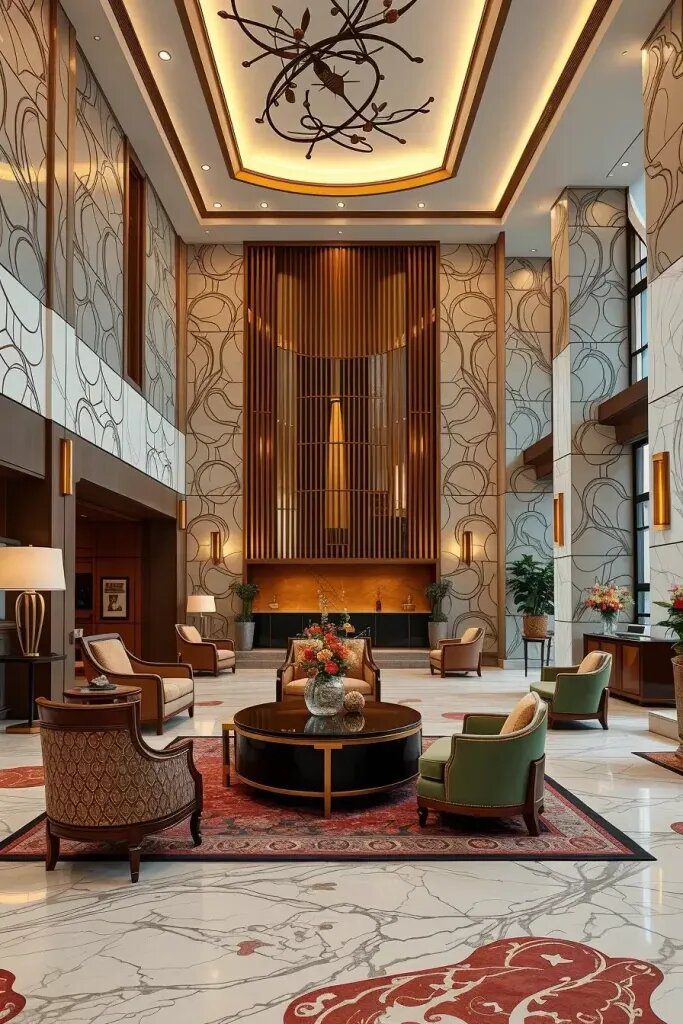
Pairing smooth marble with wood slats, upholstered seating, and matte black fixtures creates contrast without clashing. Woven grasscloth, fluted gypsum panels, and bronze mesh add texture to walls and can even improve how sound behaves in a large open room. Small details, like a silk-wool rug, a suede bench, or leather trim on a console table, round out the space and make it feel finished rather than sparse.
 Save
Save
On one project, a client wanted an all-white lobby with no other color in the palette. To keep it from feeling sterile, I layered in bas-relief wall art, textured throws, and furniture chosen specifically for its surface detail rather than its color. Domino magazine has noted that mixing materials within a room is a hallmark of good design, and that principle holds up every time I apply it.
Sconces, cove lighting, and floor lamps each cast light differently, and switching between them changes how a textured surface reads in the room. The same fluted panel or woven wall covering can look flat under one light source and dramatic under another, so lighting design and material selection need to happen together, not separately.
Natural Light Ideas for Warm, Inviting Lobbies
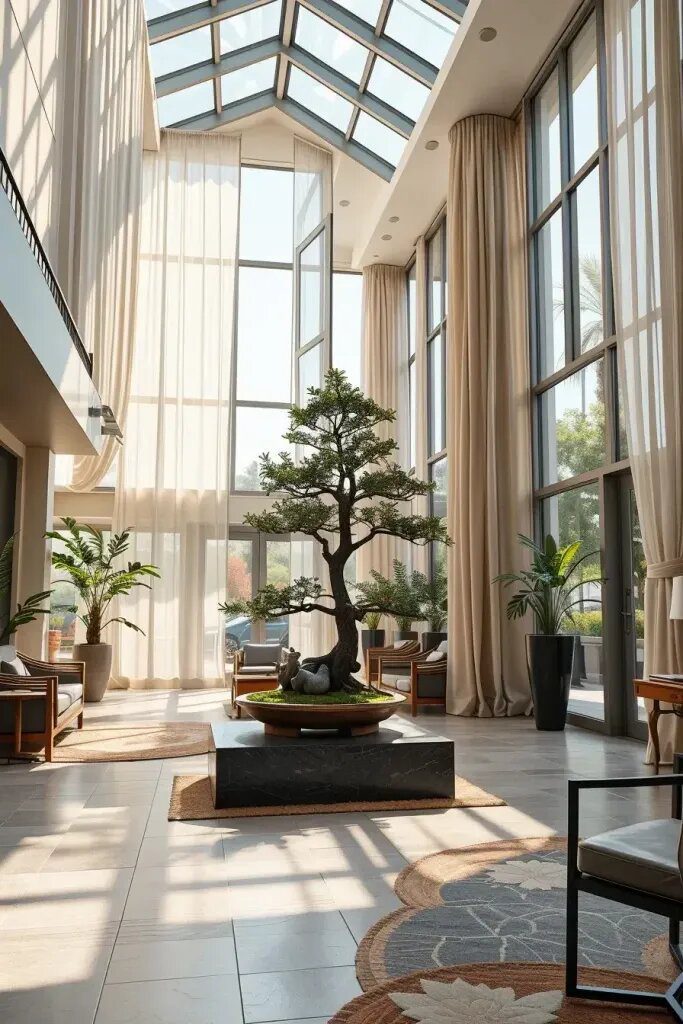
A lobby filled with natural light feels more alive and more welcoming the moment guests step inside. Beyond the visual benefit, daylight cuts down on energy costs and tends to lift people’s mood during longer waits. Large windows, skylights, and clerestory windows are my go-to tools for keeping a space bright, since each one pulls light in from a different angle and helps every other design element in the room stand out more clearly.
 Save
Save
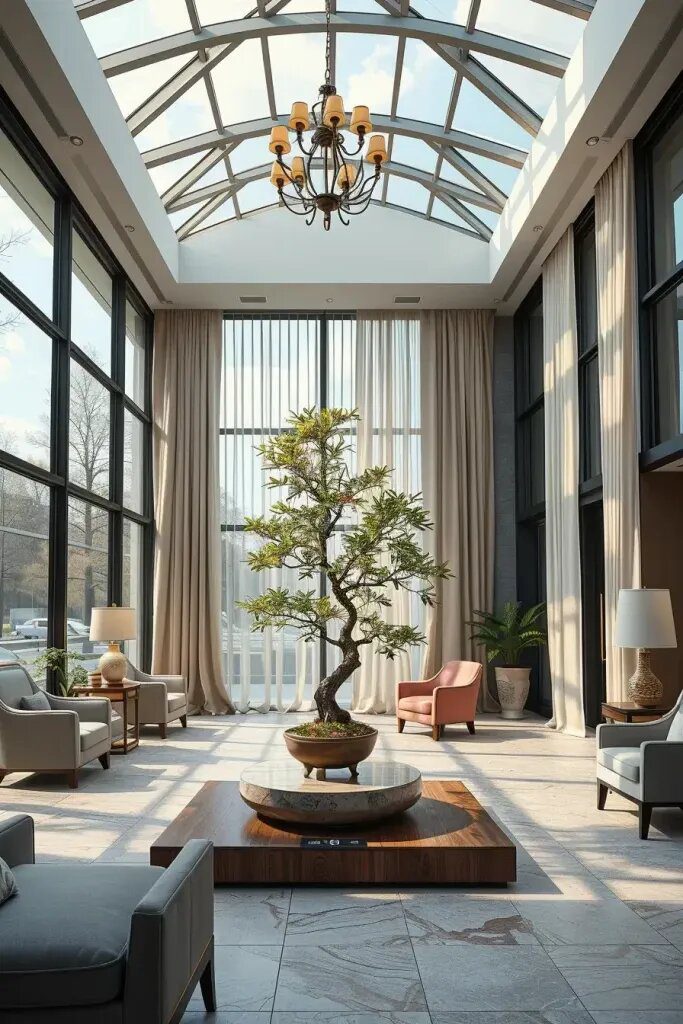
Light wells, glass vestibules, and double-height glass walls all pull more daylight into a lobby than a standard window ever could. Sheer curtains in linen or voile cut glare without blocking the light entirely, and they can make a ceiling feel taller than it actually is. Polished stone floors and brushed metal surfaces bounce that light deeper into the building, brightening corners that would otherwise stay dim. Small material choices like these add up to a noticeably brighter interior.
 Save
Save
One lobby I worked on had a circular skylight positioned directly above a bonsai garden, and the effect in the early morning light was remarkably calm. Architectural Record has pointed out that people generally prefer rooms with abundant natural light, and client feedback on my own projects backs that up consistently.
Solar glass or an automated shading system helps control glare while still letting in enough daylight to keep the room bright. This keeps the lobby comfortable during peak sun hours without sacrificing the airy feel that large windows provide.
Why High Ceilings Create Elegant Lobbies
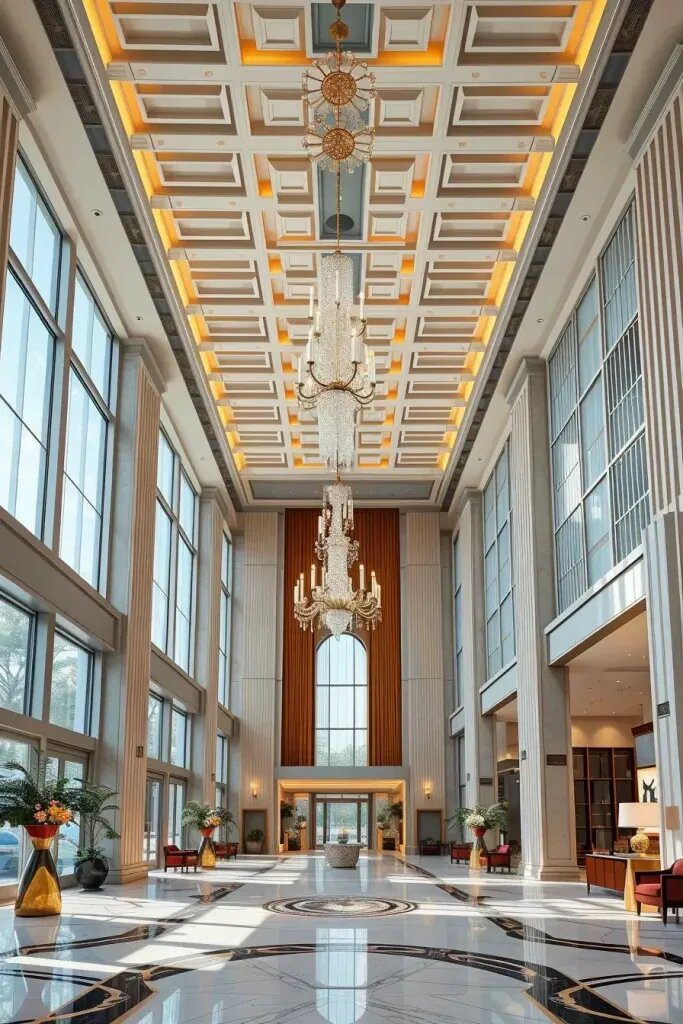
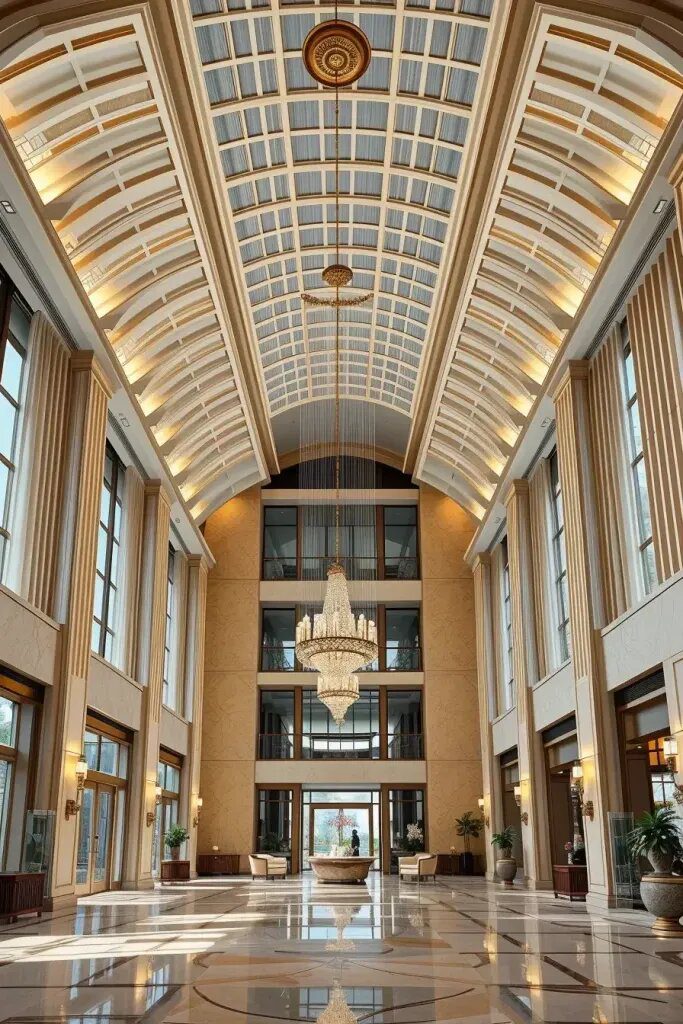
Ceiling height changes the entire mood of a lobby. A tall ceiling reads as spacious and impressive, especially once it’s paired with oversized light fixtures or architectural detailing. Tall ceilings work best alongside large windows, since the extra height gives natural light more room to spread and makes the whole entryway feel more open.
 Save
Save
When I work on a space, I like to add things like coffered panels, lighting that fits the vibe of the room, or maybe even some cool curved ceilings. It helps to keep the space from feeling too dull or dim by kind of drawing the eye upward. I always recommend throwing in something tall, like a big screen or lots of wall art, to really emphasize the height and give the room a cozy feel. Just a little design tip I like to play around with!
 Save
Save
I love it when lobbies have tall ceilings! It just gives you that extra room to breathe and be inspired. I read in Interior Design Magazine that a high lobby is like a big invitation to relax and take it all in. And it totally makes sense to me – when a space is open and lofty, you can really take your time to soak it all up, notice all the details, and of course, snap some photos to remember the moment.
I think putting up a suspended ceiling or a floating light canopy could really improve the sound in the room by reducing echoes. It can make a big difference, especially in larger spaces where echoes can be a problem. Installing these treatments not only improves the sound quality but also enhances the overall ambiance of the room.
Water Features for Tranquil, Luxury Lobbies
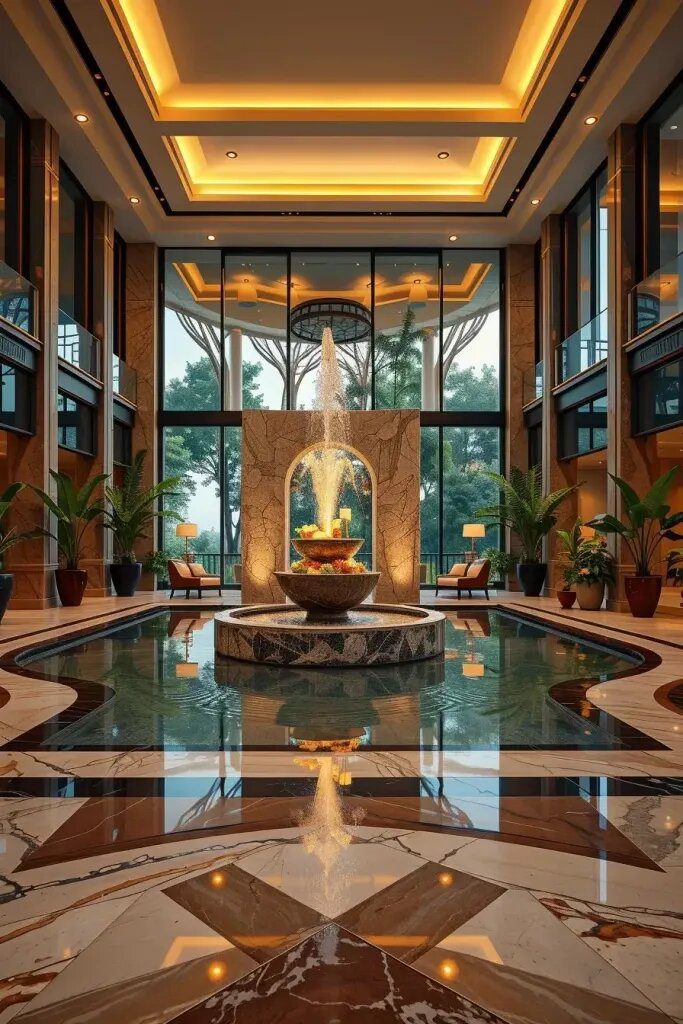
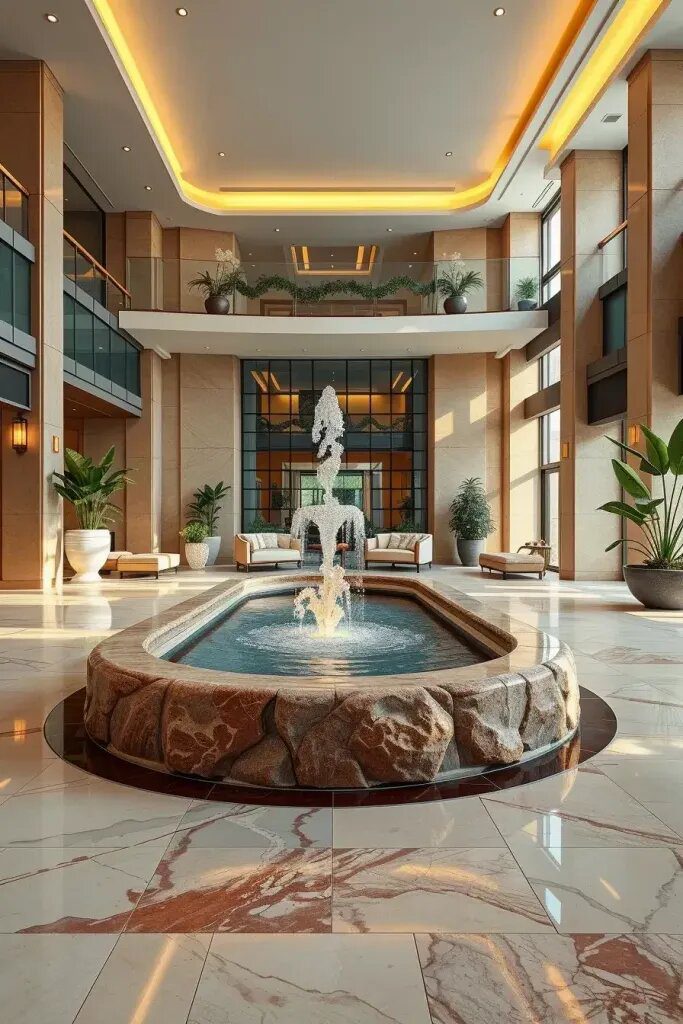
You know, adding a water feature to a fancy lobby can really bring a sense of peace and tranquility. The sound of flowing water is so soothing, right? It can also help drown out any annoying noises. Sometimes, I like to place water in the center of a room or use it as a wall to create separate areas in the lobby. It just gives the whole space a more serene and classy vibe.
 Save
Save
There are so many cool options you can choose from when it comes to designing your space, like wall-mounted water curtains, glass-paneled fountains, or shallow reflecting pools. Personally, I’m a fan of river stone beds, brushed metal hardware, and hanging greenery because they really tie everything together. And when you add some soft lighting under the water, it just takes the whole look up a notch, especially in the evening. It’s all about creating a vibe that you love!
 Save
Save
I really loved seeing the design with the cute little waterfall flowing under a glass bridge at the entrance. I read in an article from Forbes about hotel design that creating a luxurious vibe is not just about the physical objects, but also about the overall feeling it gives off. The addition of water definitely brings a sense of peace and tranquility.
I think adding some scent diffusers and playing natural sounds in this area would really take it to the next level. When you incorporate things like the feeling of wind blowing or the soft glow of light reflecting off water, it creates a really immersive atmosphere.
Lounge Spaces That Welcome and Impress
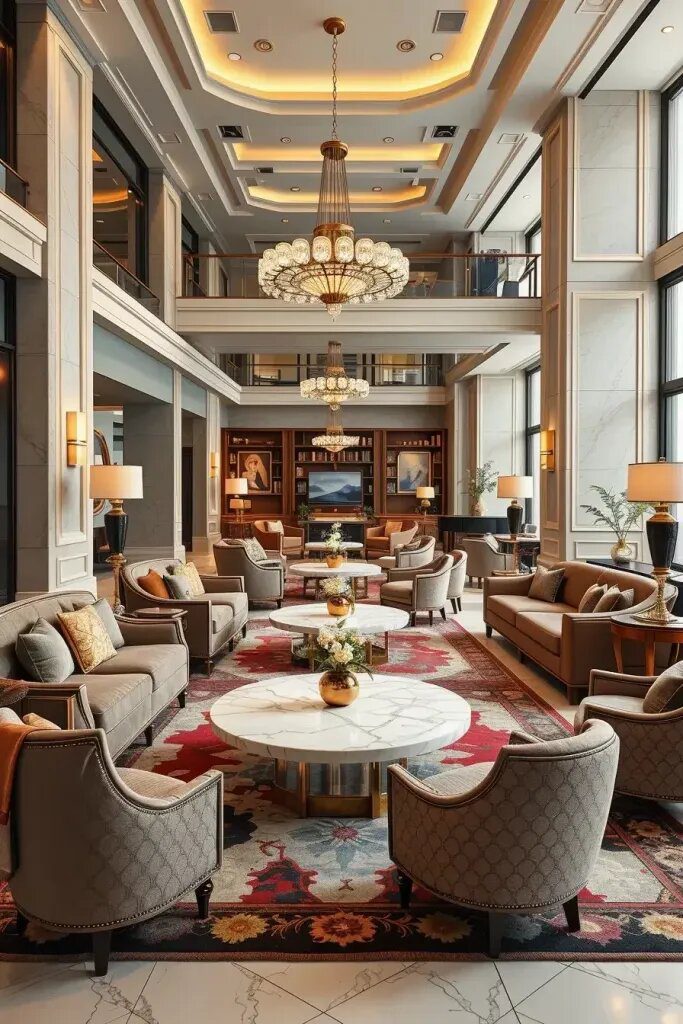
One great way to design a lobby is to blend comfort and style seamlessly. It’s all about creating a welcoming and beautiful space that people enjoy spending time in. I usually start by figuring out the most popular paths and then I arrange tables in a way that encourages both socializing and relaxation. Isn’t that neat?
 Save
Save
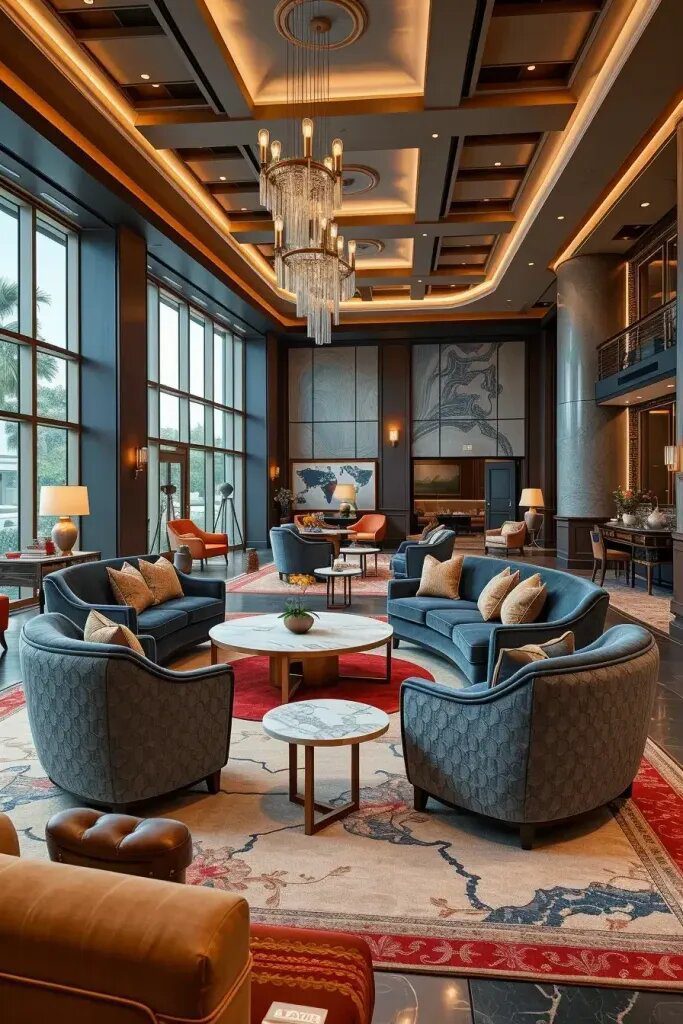
When I’m choosing furniture, I always lean towards curved sofas and cozy chairs with a touch of luxury. I love leather, boucle, or linen upholstery. In the middle of each room, I like to place low tables made of brass or marble. Adding in some soft throws and colorful decorative pillows really makes the space feel inviting and comfortable all year round!
 Save
Save
I’ve found that seats are most inviting when arranged in a semi-circle or with one long side and one short side. This setup really encourages people to chat and interact. I read in House Beautiful magazine that a great lobby should feel like a cozy public living room, and that’s a concept I always keep in mind when designing spaces. I also like to make sure there’s plenty of room between side tables so guests can easily set down their drinks or personal items.
I think it would be nice to switch things up a bit by rearranging the seating or showing off some cool rotating stacks of magazines or journals. It’s a simple change, but it can make our guests feel even more valued.
Monochrome Palettes for Modern Lobby Elegance
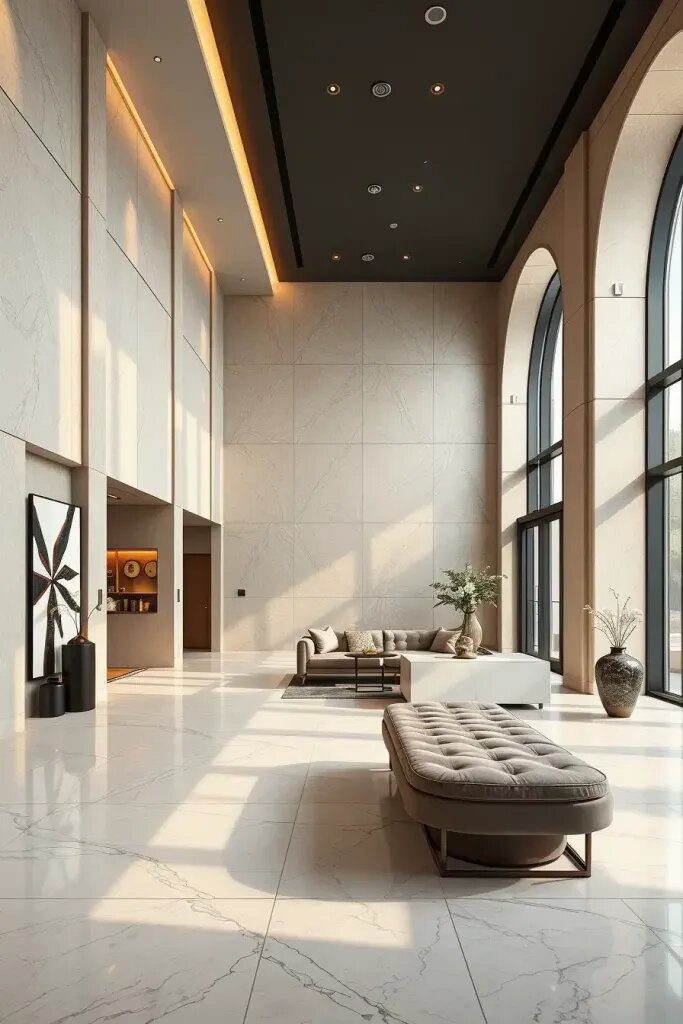
You know, when you stick to just one color, it can really make a room look sleek and classy. It’s like every little detail stands out more when there aren’t a ton of colors fighting for attention. I usually go for shades like gray, beige, or soft white to give lobbies that sophisticated touch. And hey, with a minimal color palette, you start noticing the cool textures, lighting, and overall vibe of the space. It’s all about letting the design speak for itself!
 Save
Save
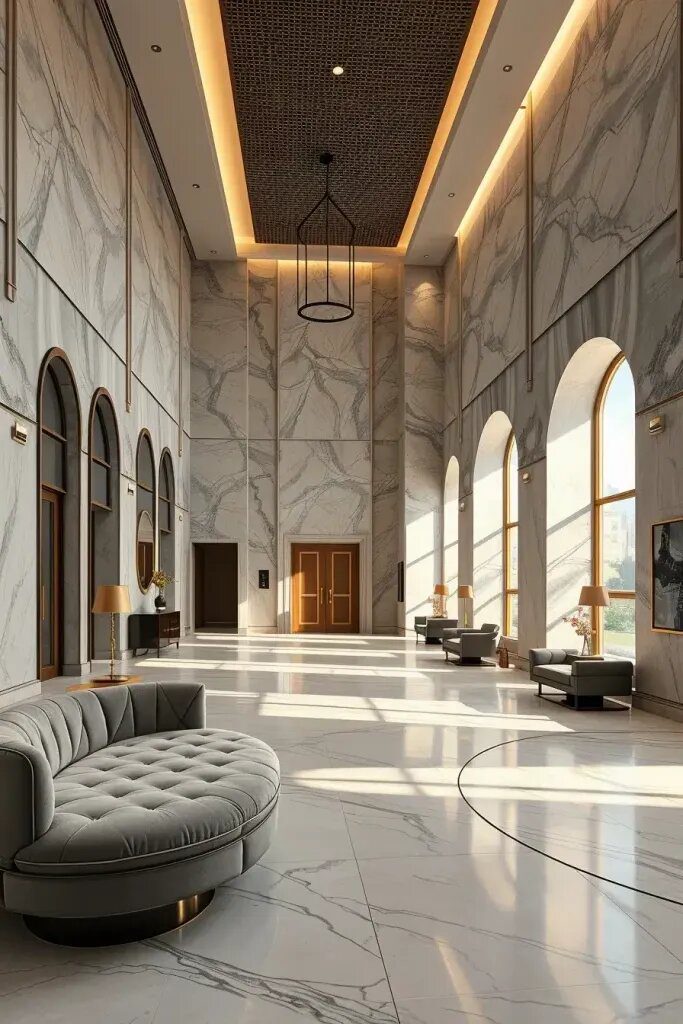
So, basically, when I’m working on a design, I like to mix up different materials that seem to go well together. Like, I’ll put some smooth marble tiles next to some rough plaster, or maybe mix some metal with some velvet, and throw in some ribbed wood with glass. It’s all about finding that perfect balance in colors and textures so that each material brings something cool and unique to the whole look.
 Save
Save
I’ve noticed that a lot of people really find these designs to be super calming and classic at the same time. According to Dezeen, having a monochrome space can make you appreciate the shapes and details more, which in turn can elevate the overall look of your room. Plus, it’s a smart way to steer clear of trends while still making your space feel visually stunning.
One idea I have is to add a standout piece like a black bench or a unique artwork to the room. It can really help bring everything together and add some flair to the space. Plus, it can give your eyes something interesting to focus on and make the room feel more lively.
Sculptural Centerpieces That Define a Space
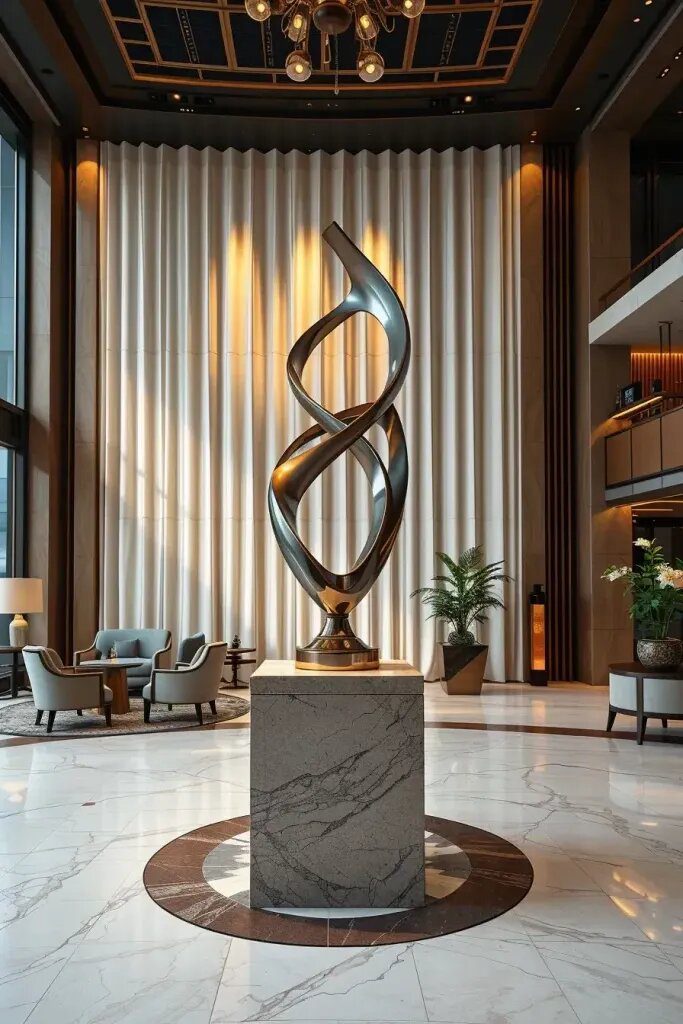
Having a cool sculpture right smack in the middle of a lobby totally changes the vibe, right? Whether it’s a funky bronze statue, a cool abstract piece made of stone, or a sleek metal and glass mobile, these sculptures really add some life to those big empty areas. I like placing them in key spots where different areas meet, like near the elevators, between lounges, or right as you walk into a movie theater, just to give people a little pause in their day.
 Save
Save
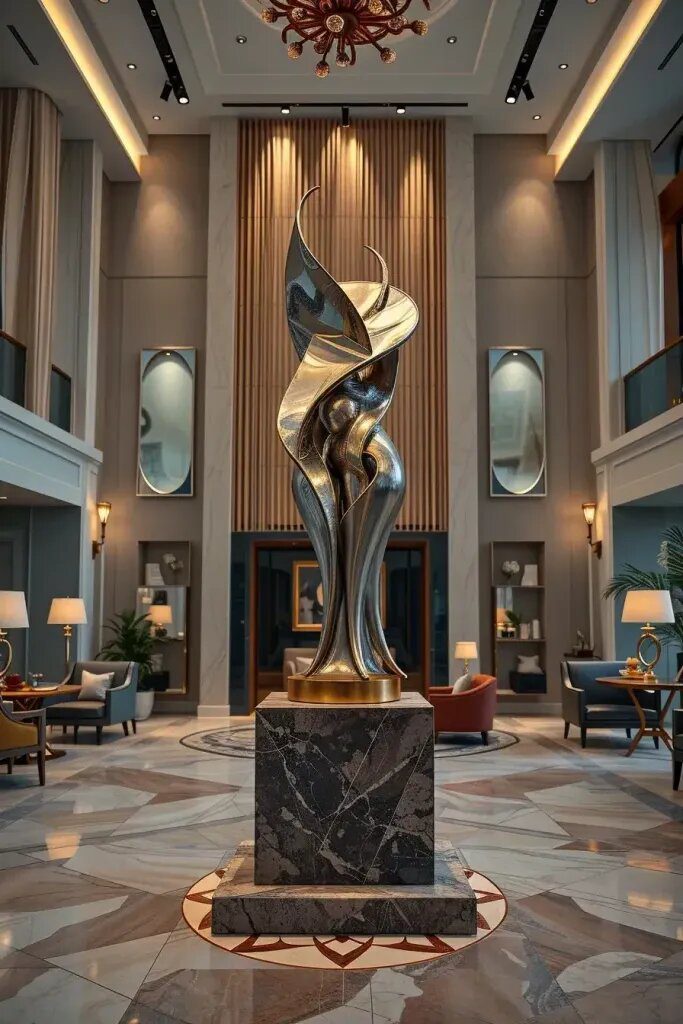
I think the key to a product really hitting the mark is picking the right materials. I love how stone, glass, and metal can catch the light in such beautiful ways and always look timeless. Another thing to consider is the height of the footing; if it’s too high, it might feel awkward for couples, but if it’s too low, guests might not even notice it. I also like to mix things up by lighting the sculptures from different angles to create different moods and make sure they shine no matter the time of day.
 Save
Save
I really love how adding sculptural elements to the lobby creates a cool “museum vibe” in the space. It just makes you want to stop and take it all in, encouraging a slower pace. I remember for one project, the sculpture we chose was such a hit that it ended up becoming a big part of the brand. Magazines like Interior Design Today even say that sculptural pieces help create lasting memories of a space, which is why I make sure to include them in all of my designs.
To expand on this idea, you could consider changing up your shows regularly or even having one that’s themed for each season. Doing this will make your site feel fresh and unique, which will keep visitors coming back for more.
Boutique Hotel Lobbies: Ideas for Luxury Design
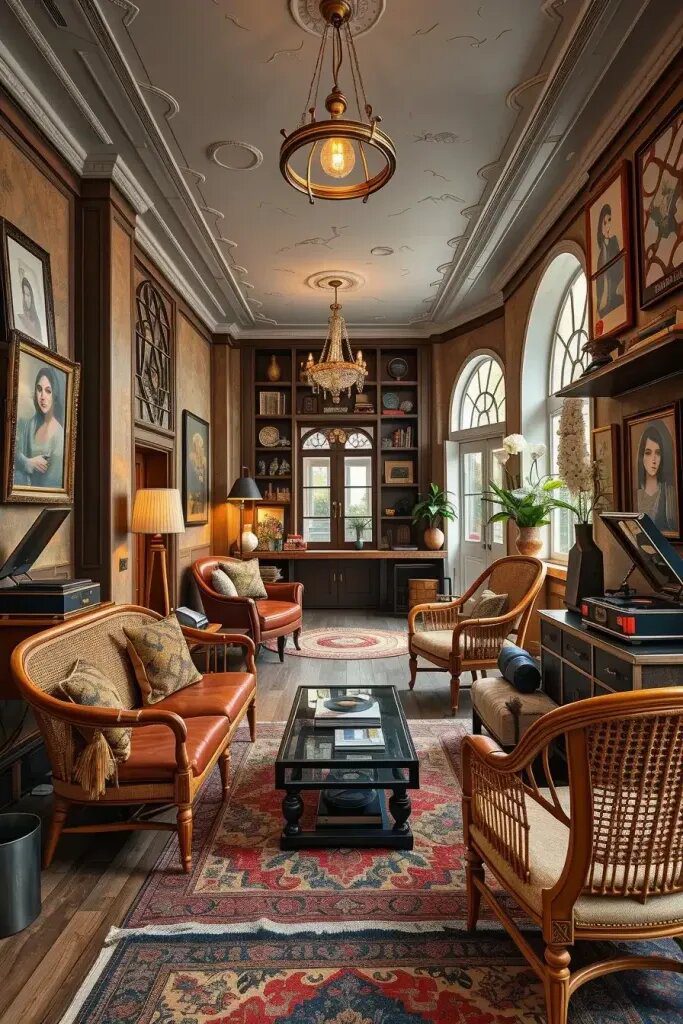
These hotels really know how to make you feel at home with their cozy and stylish spaces. I love how their lobby designs always have a story to tell and spark new ideas in me. It’s clear that every little detail, from the furniture to the art on the walls, has been carefully curated. You can definitely feel the luxury in the fine touches and personalized feel of these hotels.
 Save
Save
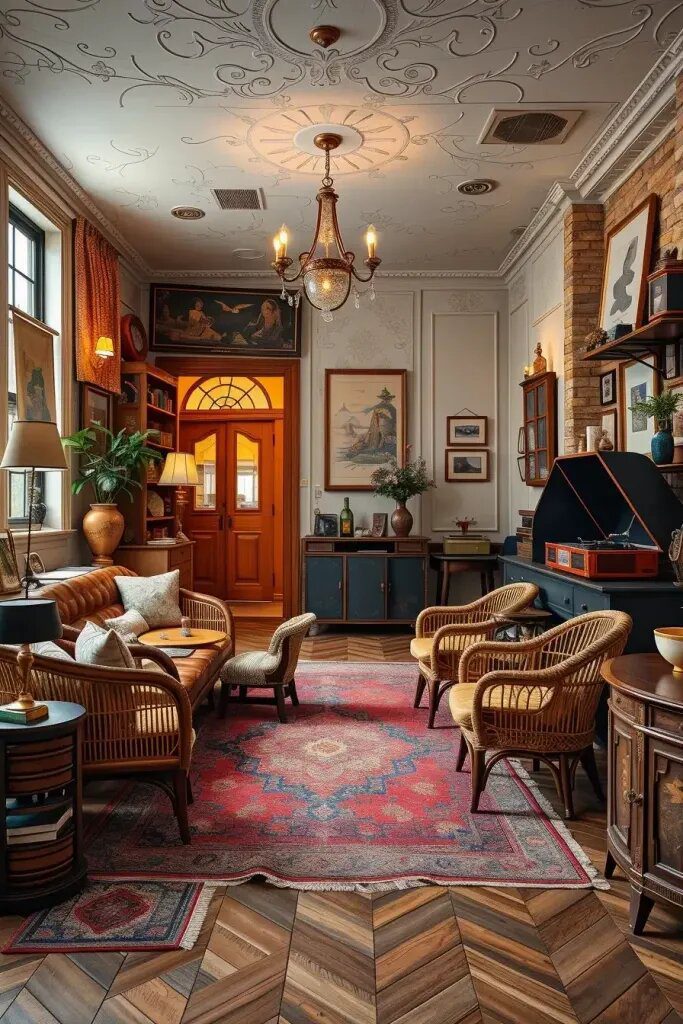
When I’m decorating a space, I like to mix in some vintage pieces and pick out books that I know you’ll enjoy reading. I’m all about using materials like rattan, natural wood, leather, and brass to give the room a cozy vibe.
One of my favorite things to do is set up a little nook with a record player and a station for some unique fragrances. And let’s not forget about finding some trendy floor tiles to really tie the room together.
I think adding some soft music and a light, pleasant scent can really elevate the atmosphere, just like in those fancy restaurants. It all comes together to make the space feel more inviting and special.
 Save
Save
I personally think boutique lobbies are great at connecting with people on an emotional level. They’re not trying to be flashy; they just want to make you feel at home. I’ve noticed that people really appreciate well-designed hotel lobbies, like the one mentioned in Condé Nast Traveler, because they create a warm and welcoming atmosphere that feels just like being at home. That’s exactly the kind of vibe I try to create in my own spaces.
If you’re looking to expand on this idea, you might consider incorporating some custom-made lighting fixtures and handcrafted materials. Not only would this support local artisans, but it would also give the lobby a more distinctive and personalized touch, don’t you think?
Architectural Symmetry as a Visual Focal Point
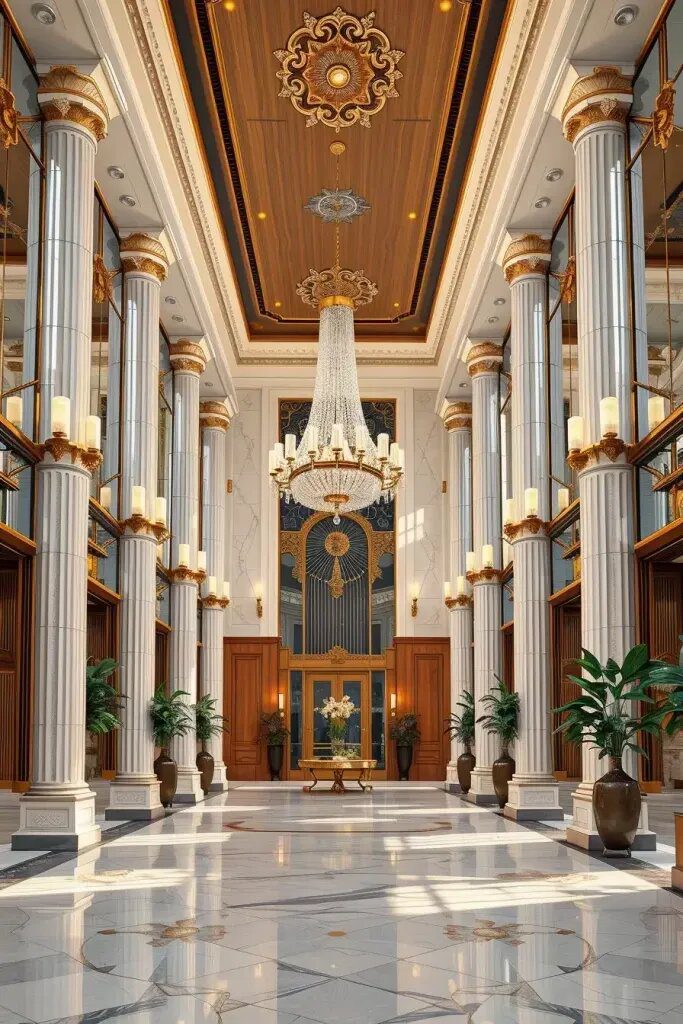
Architects often use symmetry to bring a sense of order and elegance to their buildings. When I try to create a welcoming and stylish lobby, I always go for a symmetrical floor plan. It not only adds a touch of calmness but also sets the tone for the overall design. I like to think about symmetry when coming up with ideas for walls, floors, furniture, and lighting – it’s like my go-to inspiration!
 Save
Save
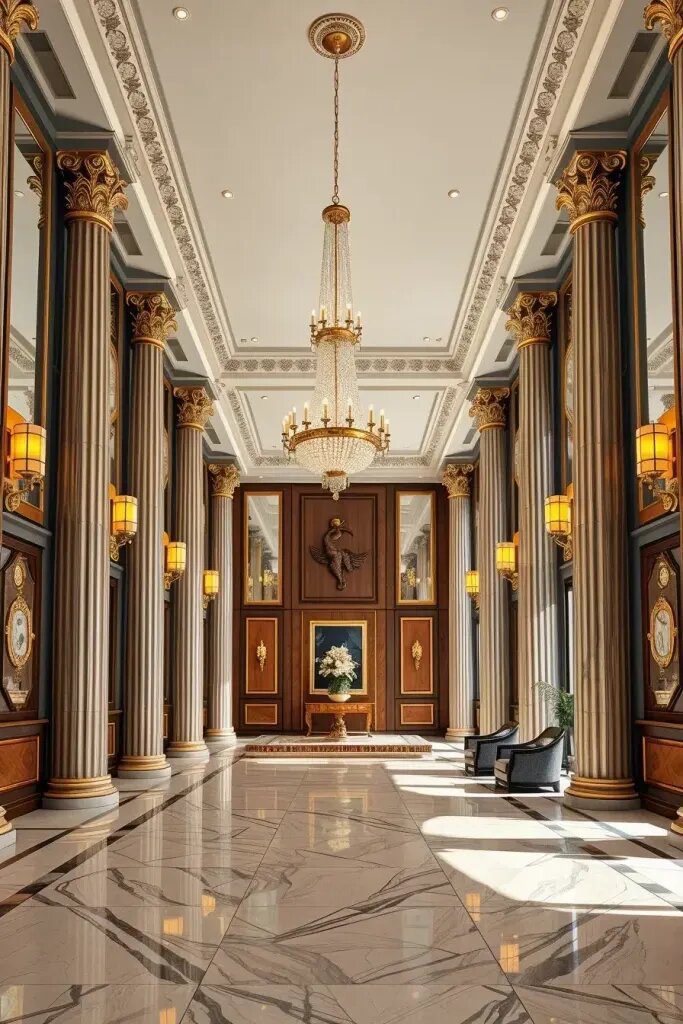
So, when I’m designing a lobby, I like to pick a focal point like the entrance or a beautiful chandelier to build around. Then, I add similar elements on each side to keep things balanced and cohesive. Using matching pieces like console tables, fluted wall panels, or matching sconces helps create a sense of unity in the space. And these days, mixing symmetry with modern materials and contemporary designs can give a fresh and trendy look to any home.
 Save
Save
In my opinion, a room doesn’t have to be perfectly symmetrical—it just needs to feel cozy and well-designed. I recall seeing some arched niches that added a nice touch to a modern design in Miami. According to Architectural Digest, symmetry is often associated with timeless beauty and can give lobbies a timeless allure.
On top of that, just adding a unique statue or piece of art that doesn’t match perfectly with everything else can actually highlight the overall balance of the room.
How Minimalism Elevates Modern Lobby Design
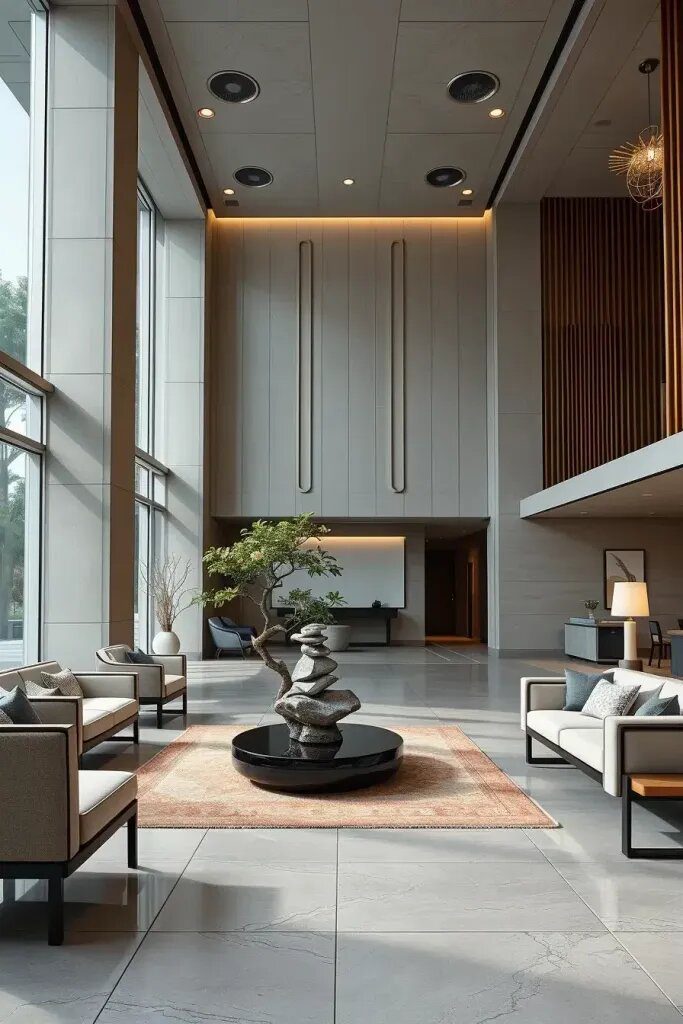
I personally love how minimalism can instantly create a peaceful and stylish vibe in a room. You don’t have to overwhelm a space with fancy decorations to make it look classy. With clean lines, plenty of open space, and neutral colors, lobbies can feel welcoming and relaxing for visitors. It’s all about simplicity in design, but that doesn’t mean boring. Every detail is carefully thought out to enhance the overall look and feel of the space.
 Save
Save
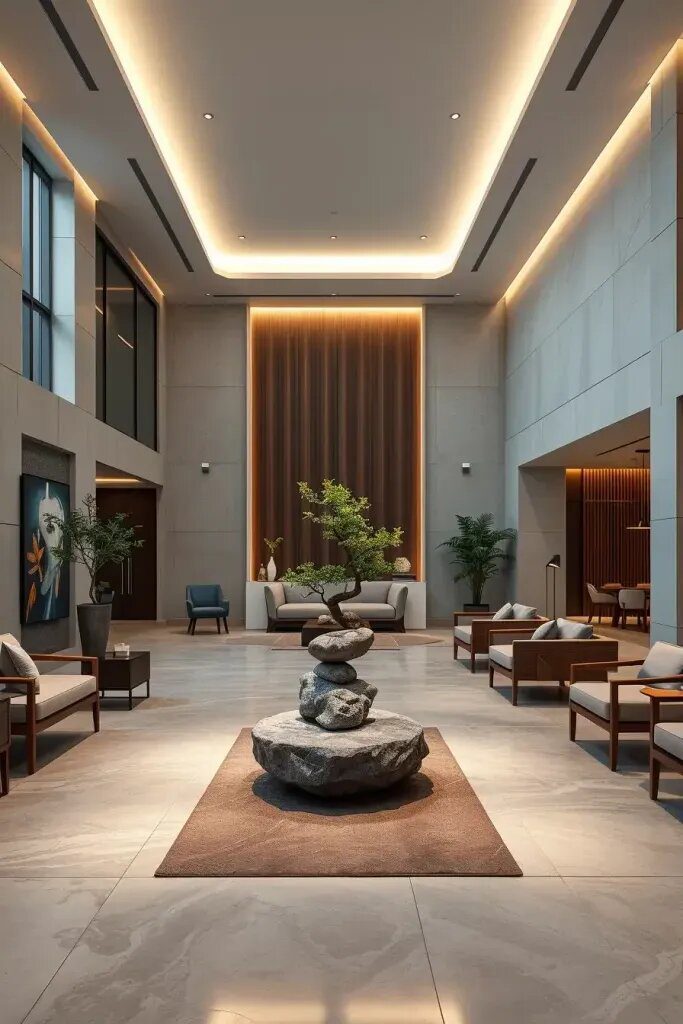
In my projects, I try to keep things simple and elegant. I like using plain colors, smooth stone or concrete floors, and subtle lighting that enhances the building’s architecture. I usually go for structured armchairs, sleek metal or marble coffee tables, and a standout sculpture as the focal point. By keeping things uncluttered, everything you choose gets a chance to shine.
 Save
Save
You know, I’ve noticed that not all designers really understand the power of minimalism in expressing luxury. But the way John Pawson, who’s like a design guru, puts it, minimalism is all about knowing exactly why each piece is there. It’s all about clarity in design, which really sets the tone and makes an impression in places like a lobby. It’s interesting how your surroundings can say so much about you, right?
One cool way to really nail this design is to bring a little bit of the outside world in – think a nice stone water feature or a cute bonsai plant. Not only do these touches add a nice touch of nature, but they also fit in perfectly with the whole less-is-more vibe of minimal decorating.
Curved Furniture and Walls for Soft Luxury
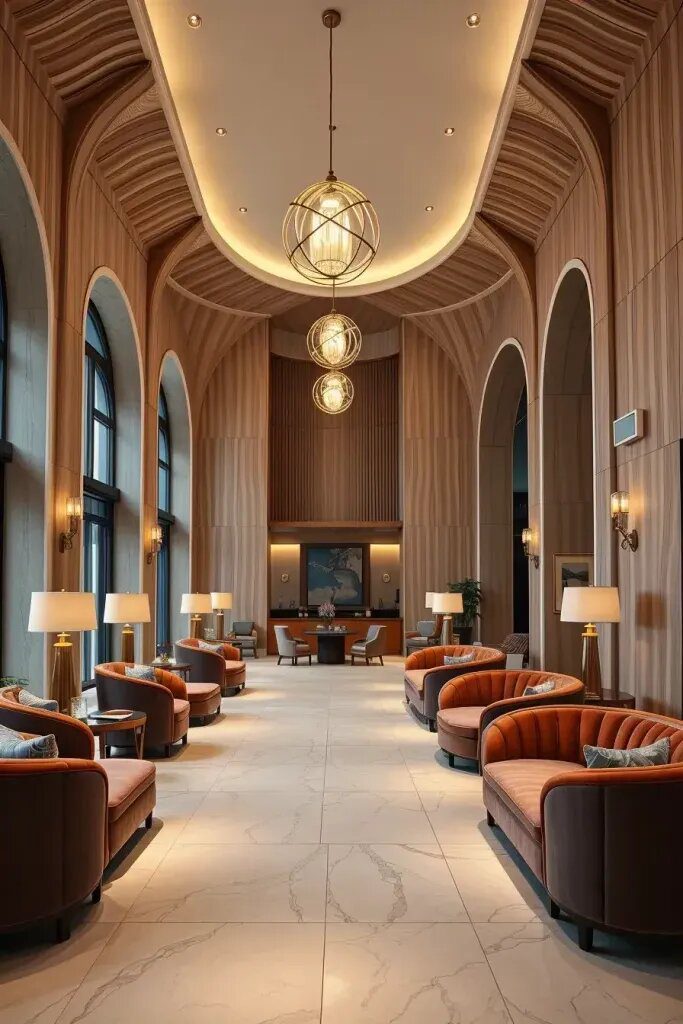
I think a curvy design is a great way to make a lobby feel welcoming and stylish at the same time. When you have curved architecture in a lobby, it helps guide people through the space in a natural way. Plus, with arched doors and unique furniture, the whole area feels more cozy and spacious, which is perfect for guests or upscale offices.
 Save
Save
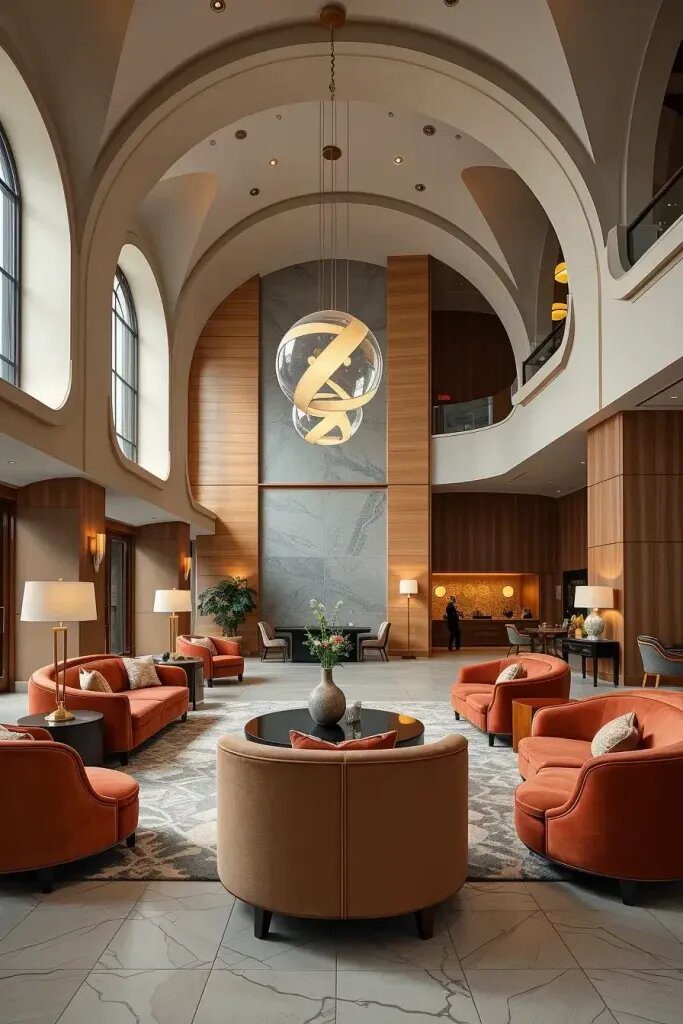
When I want to create a cozy and inviting vibe in a room, I like to go for a curved velvet couch, pendant lights shaped like orbs, and ottomans that mimic natural textures. I also like to add some unique touches to the walls, like small recessed areas or cool wood paneling with curves. All of these elements not only catch your eye but also make the space feel super comfy and welcoming to the touch.
 Save
Save
I’ve noticed that when we use this design for lobbies, it really gives off a warm and luxurious feel. Vogue Living talks about how these design styles can help in creating peaceful, intuitive spaces, and I couldn’t agree more.
Have you ever thought about adding some nicely curved acoustic panels to this area of the room? They could really spruce up the look of the room and make it feel cozier and more inviting.
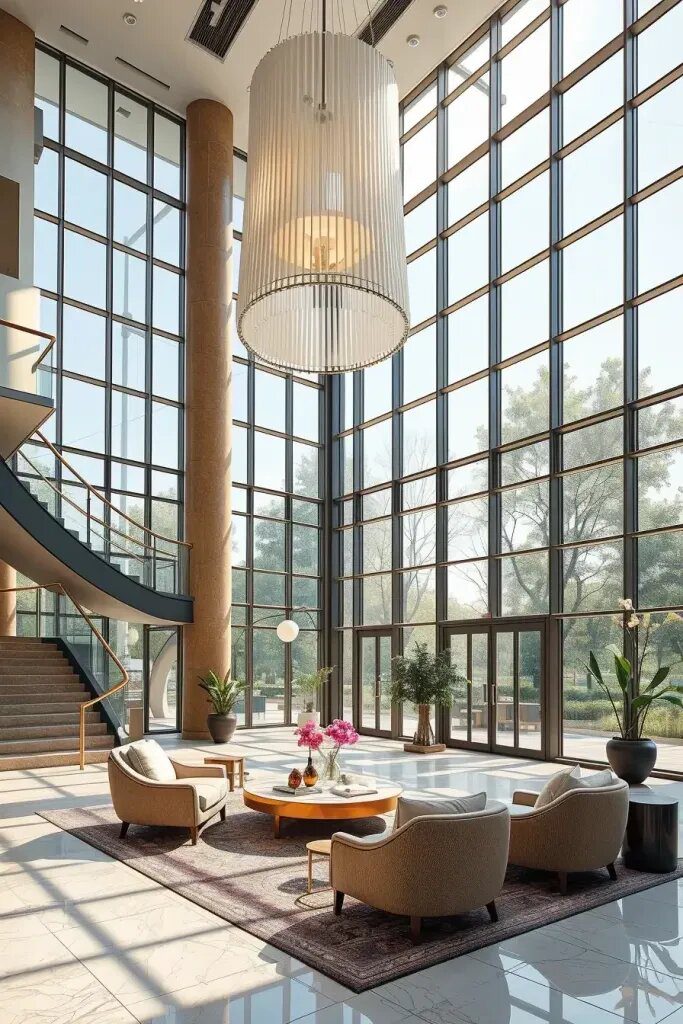
Double-Height Glass Walls and Transparent Luxury
Have you ever noticed how a lobby with high glass walls really catches your eye? It’s amazing how just a small change can make a big difference in creating a sense of light and openness, almost like being in a cathedral. With all that glass, the natural light floods in and really brings out the beauty in every wall and piece of furniture. It’s like everything just glows in a whole new way throughout the day.
 Save
Save
When I design lobbies, I like to create a modern and luxurious atmosphere. I love using frameless glass walls, shiny steel mullions, and unique light fixtures hung high up for a dramatic effect. To fill the space, I always go for big, statement furniture like oversized lounge chairs, large tables, and custom lighting that hangs down from the ceiling. And let’s not forget about the eye-catching spiral staircase that adds a cool vertical element to draw people’s attention to the open area. It’s all about creating a welcoming and stylish space for everyone to enjoy!
I love using this type of glass because it really opens up the space and allows the natural beauty outside to come inside. Architectural Digest even says that these designs make people feel cozy and safe, which is perfect for high-end homes nowadays.
Have you thought about adding motorized curtains and UV-filtering glass to this space? It could really brighten things up and provide a nice balance of light and privacy without compromising the overall feel of the room.
Mixing Traditional and Modern Lobby Styles
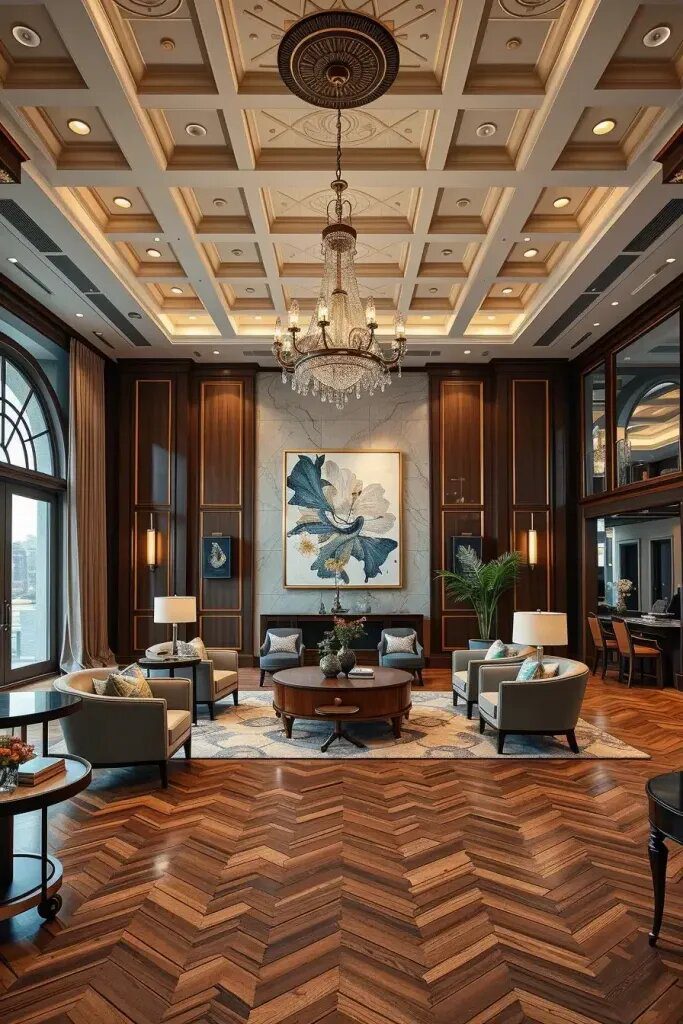
Creating a chic and modern vibe in lobbies can be challenging, but it’s also so rewarding! I love incorporating symmetry and proportion, drawing inspiration from classic design principles while adding in contemporary materials and artwork. It’s all about blending the timeless with the current to create a space that feels both familiar and fresh.
 Save
Save
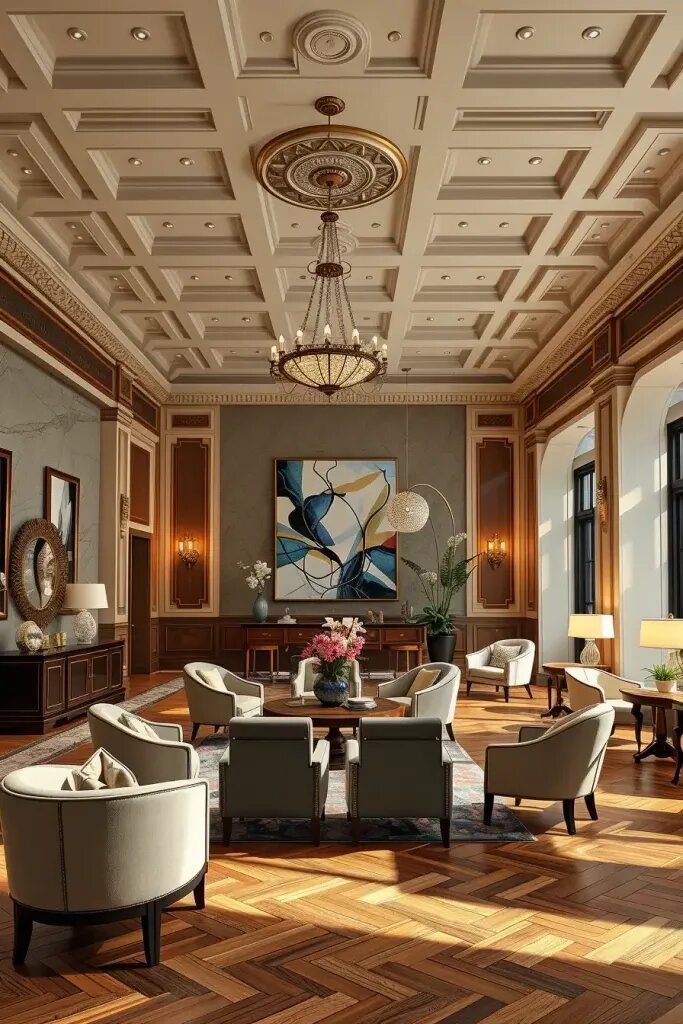
When designing this space, I combined timeless elements like wall moldings, coffered ceilings, and herringbone flooring with modern touches such as contemporary seating, sleek lighting, and unique sculptures. The result is a beautiful blend of different styles that somehow all work together seamlessly.
 Save
Save
A lot of my clients have told me that this style really speaks to them on an emotional level. I believe it’s because it brings together our history with our future. The New York Times even mentioned that luxury lovers are now looking for a mix of timeless sophistication and modern designs.
One cool idea to bring this concept to life is by adding a vintage centerpiece or chandelier to the room. It really helps balance out the space and mix those classic corals with some modern touches in a unique and stylish way.
Using Mirrors to Expand a Lobby’s Space
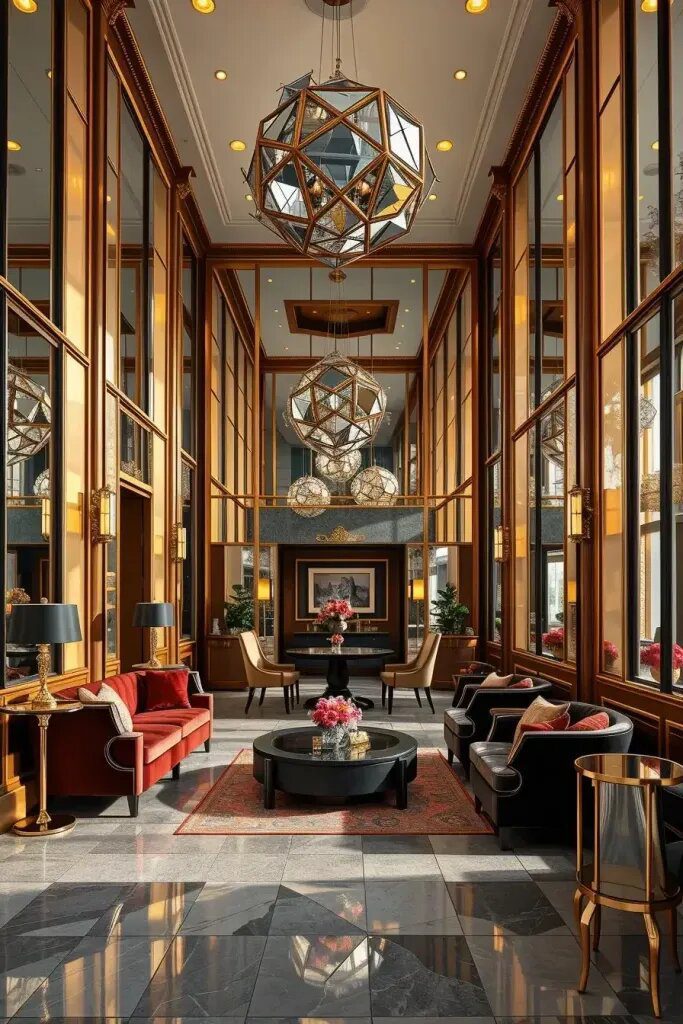
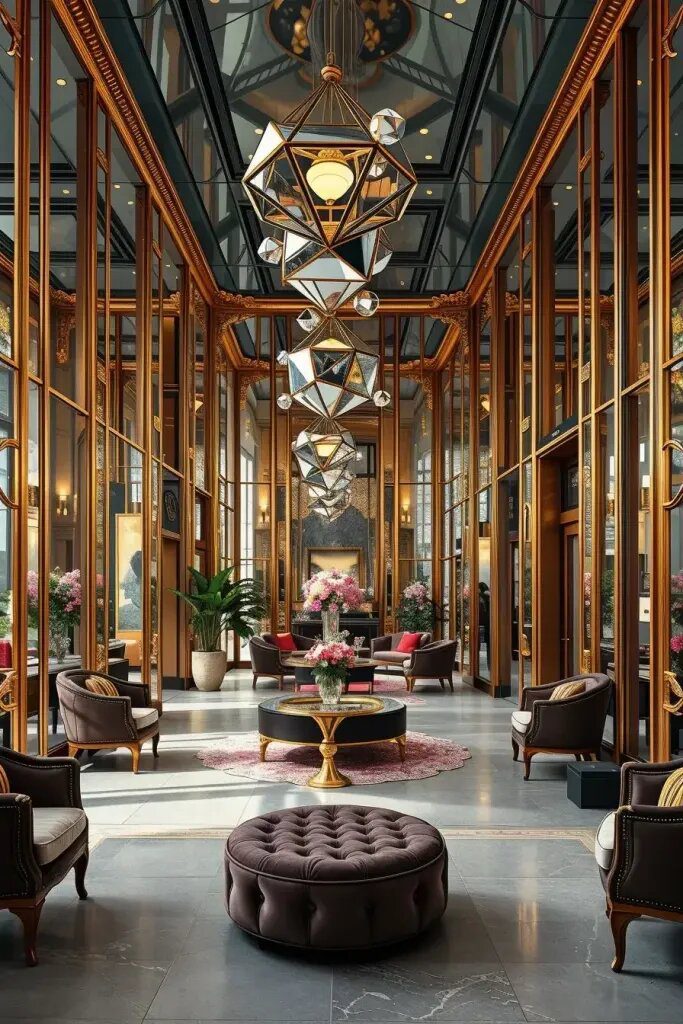
Mirrors play a big role in my work with creating spatial illusions, particularly when we’re dealing with cramped city buildings. I love to use mirrors in unique spots in modern lobbies to open up the space, bring in natural light, and give the room a stylish vibe without having to do major renovations.
 Save
Save
I usually like to go with full-length mirrors because they look great when placed near reception desks or entry walls. I tend to go for ones with small bronze or matte black frames to make them stand out more. Mirrors with unique designs, like rounded or geometric shapes, can also make for great wall art. It really helps liven up a room, especially in small or narrow lobbies, making it feel more cozy and inviting.
 Save
Save
In my opinion, it’s always a good idea to enhance glossy floors with materials like velvet, stone, or wood. I’ve read in Interior Design Magazine that using mirrors too much can make a space look boring, but if you place them strategically, they can really brighten up a room and make it feel more spacious.
Adding smart mirrors or interactive digital screens in this area of the museum not only makes it more useful but also adds a nice touch to the decor while keeping the space visually open and inviting.
Weaving Brand Identity into Lobby Design
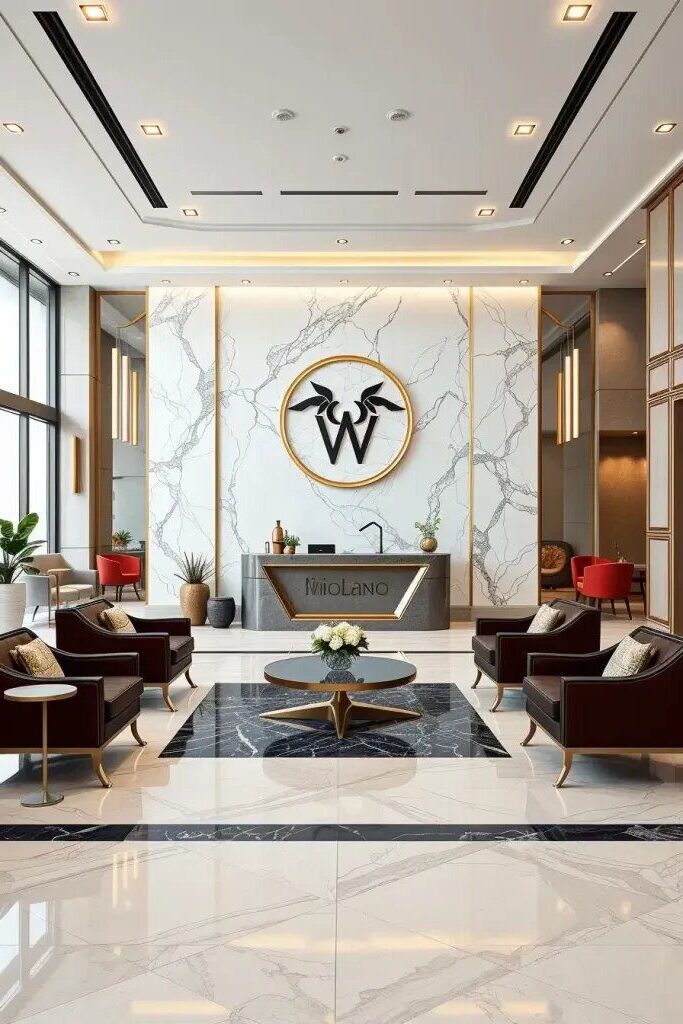
You know, you don’t have to hit people over the head with flashy branding to do it right. I personally think that branding should be subtly intertwined throughout luxury projects. Incorporating logos on glass, wall textures, and furniture in the brand’s colors can really help give off a polished and cohesive vibe.
 Save
Save
So, for this one project, we decided to jazz up the center of the floor a bit! We brought in this fancy monochrome marble that had the company logo on it, and we picked the seating fabric in the brand’s main color to tie it all together. To top it off, we added some sleek metal signs and neat waiting counters to finish off the area. It really pulled the whole space together!
I personally believe that being subtle is more effective than being loud. I read in Elle Decor that branding in luxury interiors should complement the space rather than overpower it. It’s not about promotion; it’s more like sharing a story within your store.
I think it would be really cool to have custom lighting in the shape of the brand’s symbol here. It would definitely add to the vibe and make the brand stand out even more.
Romantic Evening Lighting Tips for Lobbies
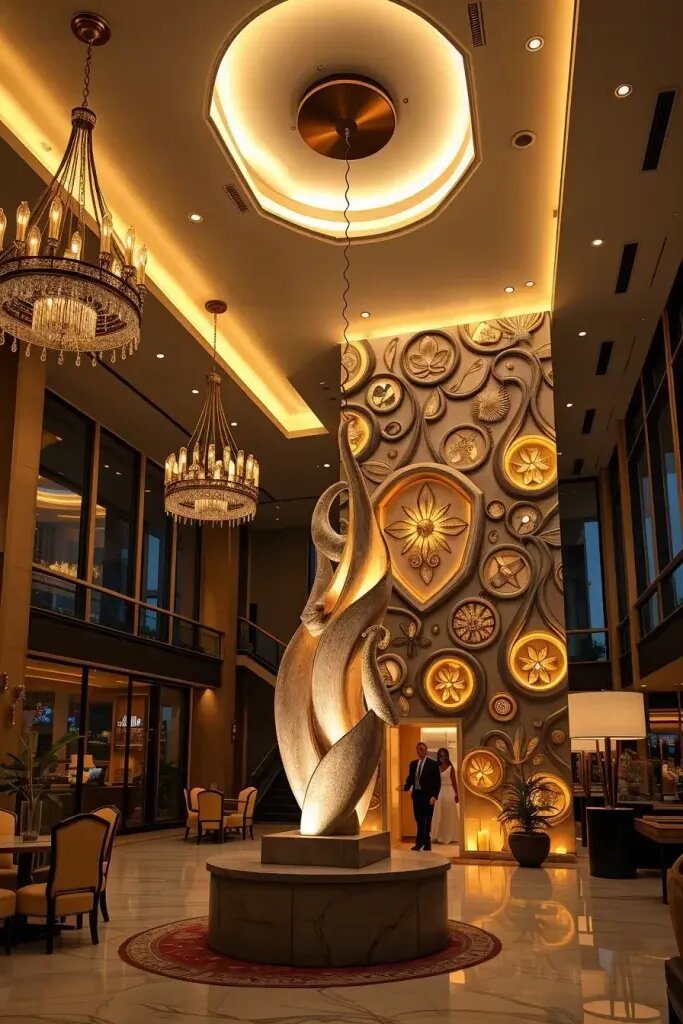
You know, it’s amazing what a difference it can make just by changing up the lighting in the lobby. I always make sure to set up a mix of ambient, accent, and decorative lights to create a cozy atmosphere that really stands out, especially as the sun starts to go down.
 Save
Save
So, in my projects, I like to play around with different lighting options to create a certain ambiance. I’ve set up recessed perimeter LEDs, used uplighting to highlight statues, and added pendant chandeliers with dimming features. By playing with lighting from different angles like behind panels or from coffer ceilings, and using color-adjustable LEDs, you can completely transform the mood of a room. And when choosing furniture, I always keep in mind how it will interact with the lighting – whether it’s matte or glossy finishes, shapes that can create interesting shadows, or materials that really shine under certain lighting. It’s all about creating a space that feels just right.
I’ve noticed something interesting about clients – they always have a strong reaction to the lighting in a room, even though they can’t always put it into words. The experts at the school say that good lighting can really change how a room feels and looks – it can even make a room seem bigger or warmer.
When it comes to dynamic lighting, I would say that programmable systems are really cool because they make it super easy for the lights to adjust throughout the day or for special occasions.
How Nature-Inspired Design Brings Lobby Comfort
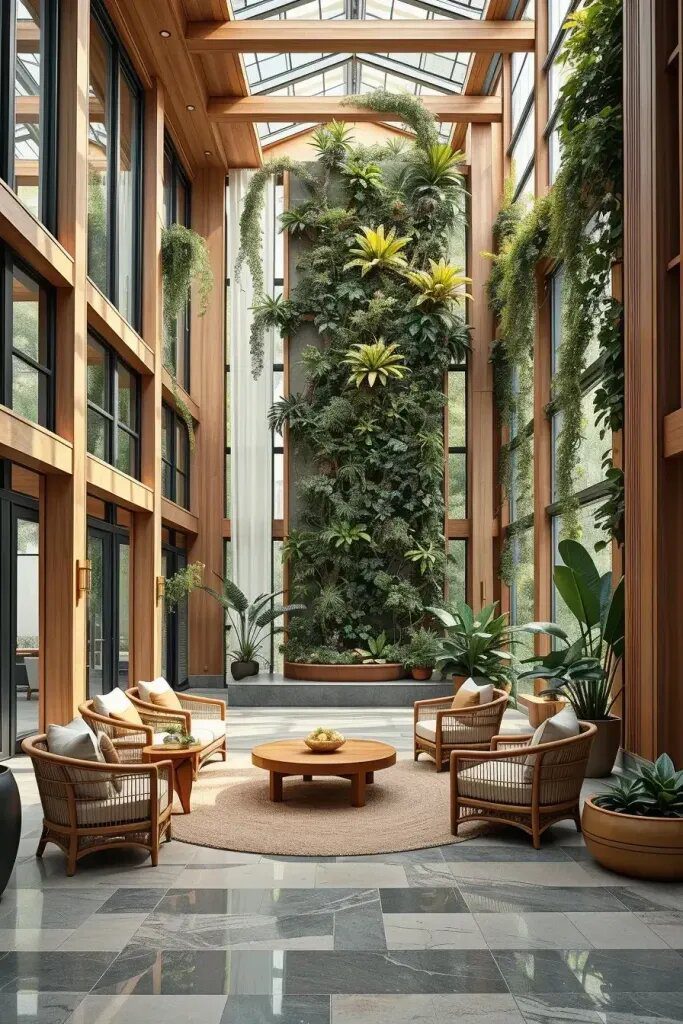
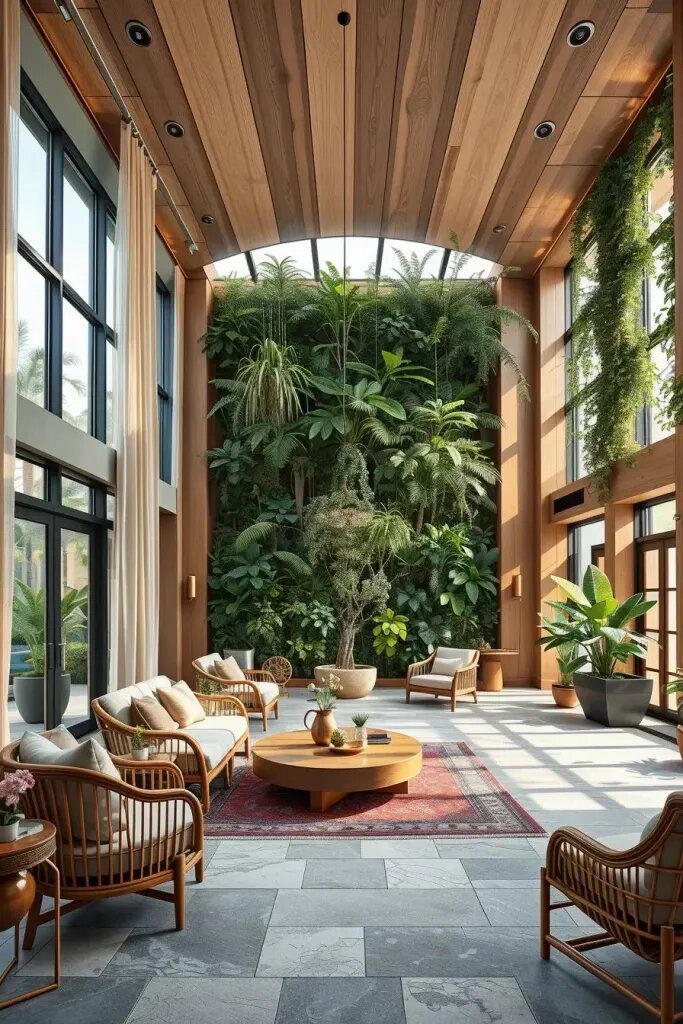
When I’m trying to create a welcoming atmosphere in the lobby, I always turn to nature for inspiration. Having elements of nature in a space isn’t just a trend, it actually helps create a calming and beautiful environment. By incorporating materials like stone, wood, and plants, it helps balance out the harshness of modern architecture. The goal is to make the space feel comfortable and elegant, making guests feel welcome and secure.
 Save
Save
I love bringing the outdoors inside by including living walls, water features, and natural wood in my space. Vertical gardens not only look great but also help purify the air, which is a win-win! Combining stone-tiled flooring, rattan or wooden furniture, and soft earth-toned fabrics really ties the room together. Of course, natural light is important, so I tend to keep window treatments simple to let the sunlight in.
 Save
Save
I personally love when lobbies have a natural feel to them because it really helps people feel at ease and taken care of. I’ve heard that Gensler’s designers say that adding some nature elements to office spaces can make people happier and less stressed. It’s a classic strategy that has been proven to make people enjoy their surroundings more.
To really take this section to the next level, how about adding some scents from aromatic wood or placing a few small diffusers around? It’ll bring in a nice touch of nature and create a cozy atmosphere in a subtle yet impactful way.
Geometric Wall and Floor Patterns Worth Trying
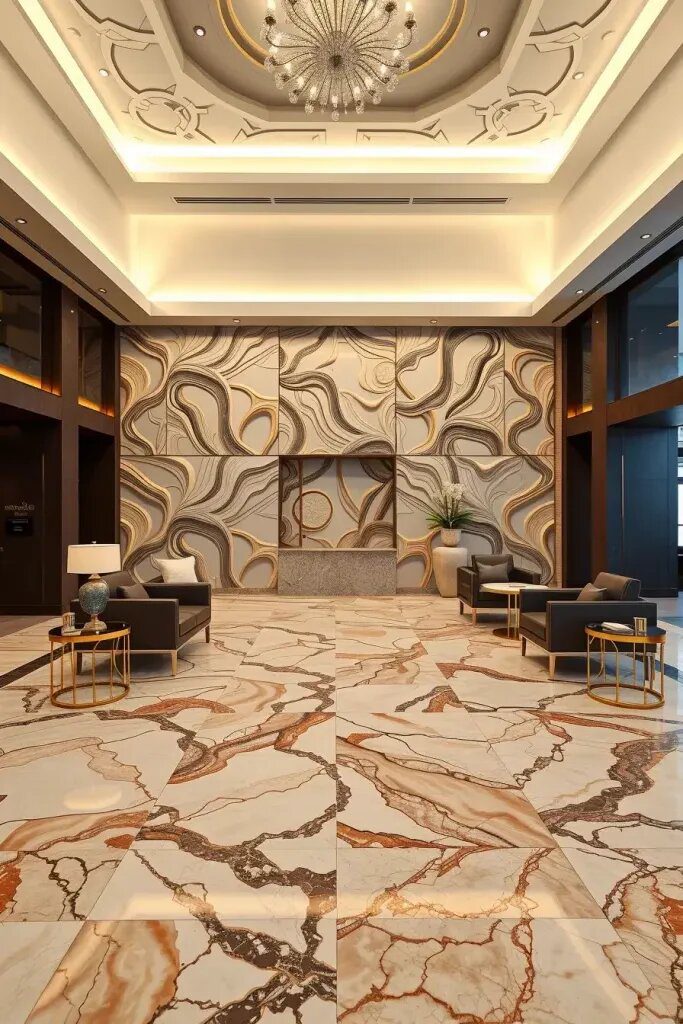
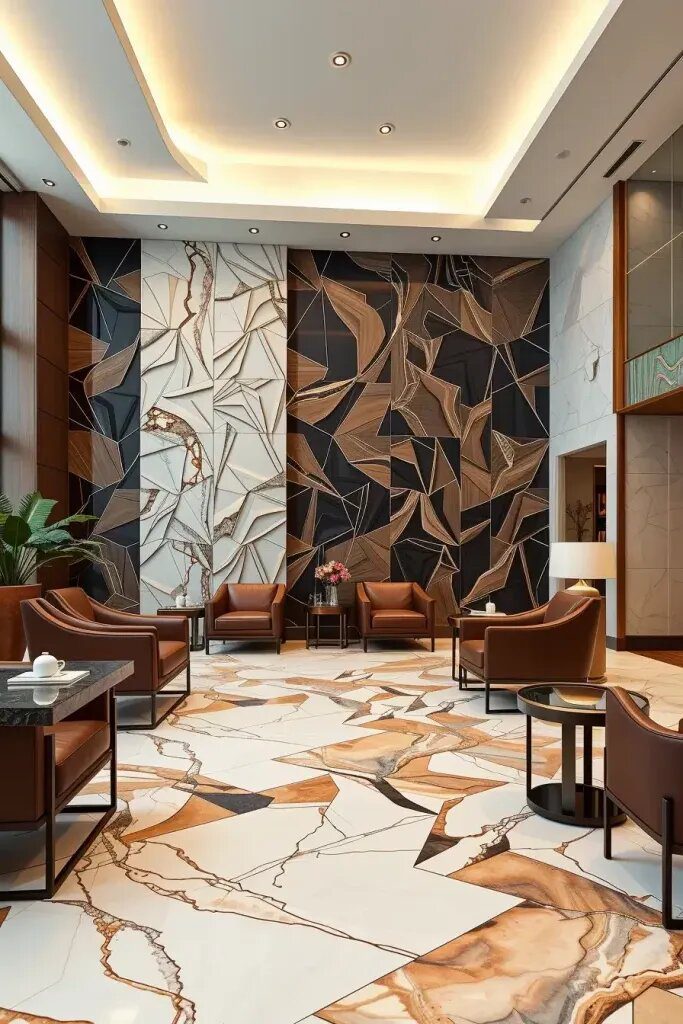
I think adding some cool geometric patterns to your lobby can really give it a nice vibe. I love playing around with textures to make my decor pop, rather than just relying on color. Whether it’s funky tiles or geometric walls, using shapes like that can make a space look super sleek and put-together.
 Save
Save
In my latest project, I incorporated marble inlays with cool geometric shapes into the flooring. I also added some neat 3D panels on certain walls for a little extra flair. It’s really cool how the shadows and highlights play off these designs throughout the day as the sunlight changes. When it comes to furnishing these apartments, I suggest keeping it simple with sleek pieces like modern sofas, stylish hostess chairs, minimalist tables, and chic chairs. Let’s avoid anything too fancy and go for a more clean and streamlined look.
 Save
Save
Hey, so I’ve noticed that geometric shapes really help give open rooms some structure. I read in Wallpaper* magazine that using graphic geometry in interior design not only catches your eye but also helps define and balance the space. It’s especially handy in lobbies where you need to guide visitors and keep things organized.
If I really wanted to take it up a notch, I’d think about adding some cool geometric ceiling lights to tie everything together and give the room a unified look.
Bringing Art Deco Style into Modern Lobbies
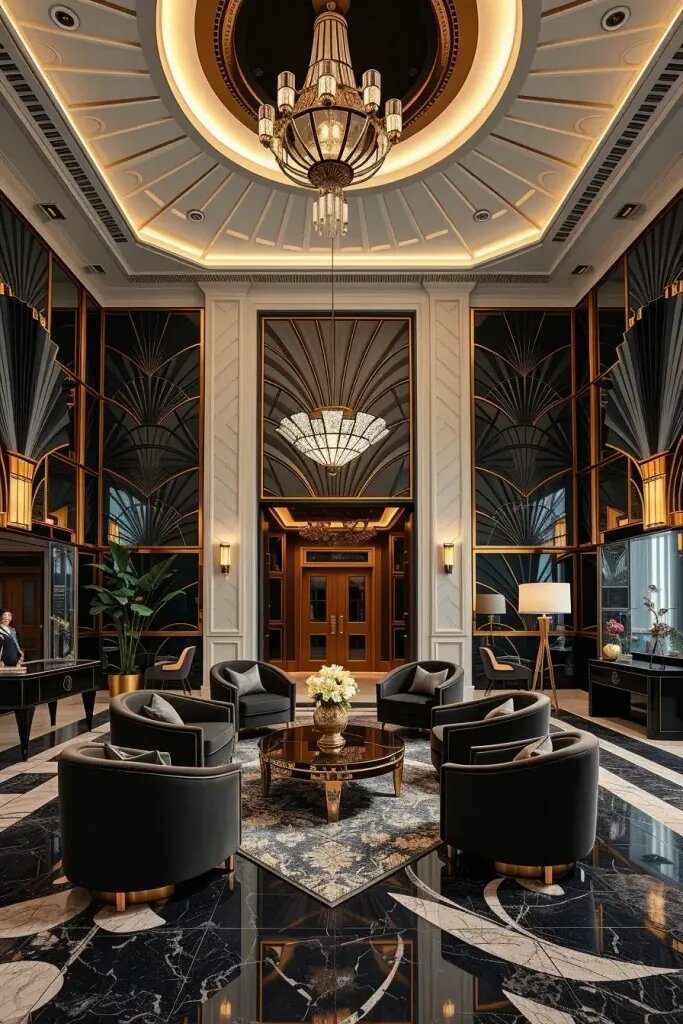
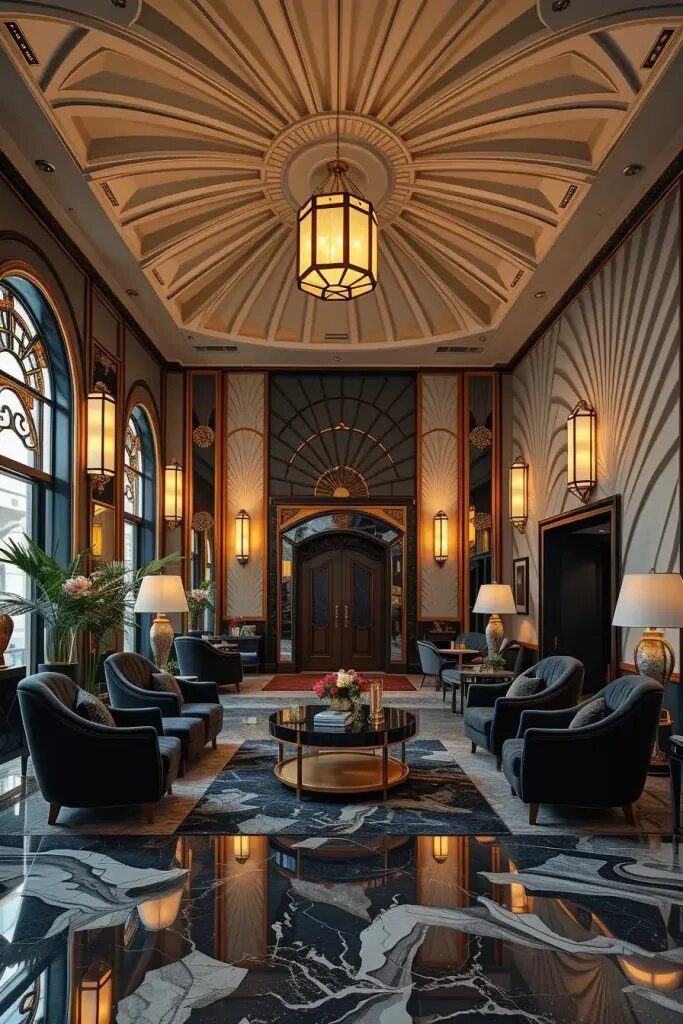
You know what’s really in style right now? Art Deco! It’s all about that classy, symmetrical look that’s coming back in lobby designs. Whenever I’m trying to make a space look fancy but still keep it simple, I always go for that Art Deco style. The bold colors and sleek finishes just make it look so appealing, like a really cool car.
 Save
Save
In my Art Deco lobbies, I like to add a touch of class with black and gold accents, funky wall panels, and light fixtures that have unique patterns. I also love incorporating velvet furniture, shiny lacquered surfaces, and mirrors to give the room a cozy and welcoming vibe. Sometimes I’ll even throw in some flashy floor designs using terrazzo or marble for a little extra pizzazz. Everything just comes together to create an atmosphere of elegant organization.
 Save
Save
So, I was working on this really cool boutique hotel lobby, and let me tell you, people were absolutely blown away by the style. House & Garden even says that Art Deco gives public spaces that wow factor that so many people love. It’s like a performance, but with a touch of elegance and organization.
I think it would be a great idea to add an Art Deco mural or sculptural panel behind the reception desk. It could really help to enhance the look of the space and draw attention to that area. What do you think?
Good Acoustics for Welcoming Open Lobbies
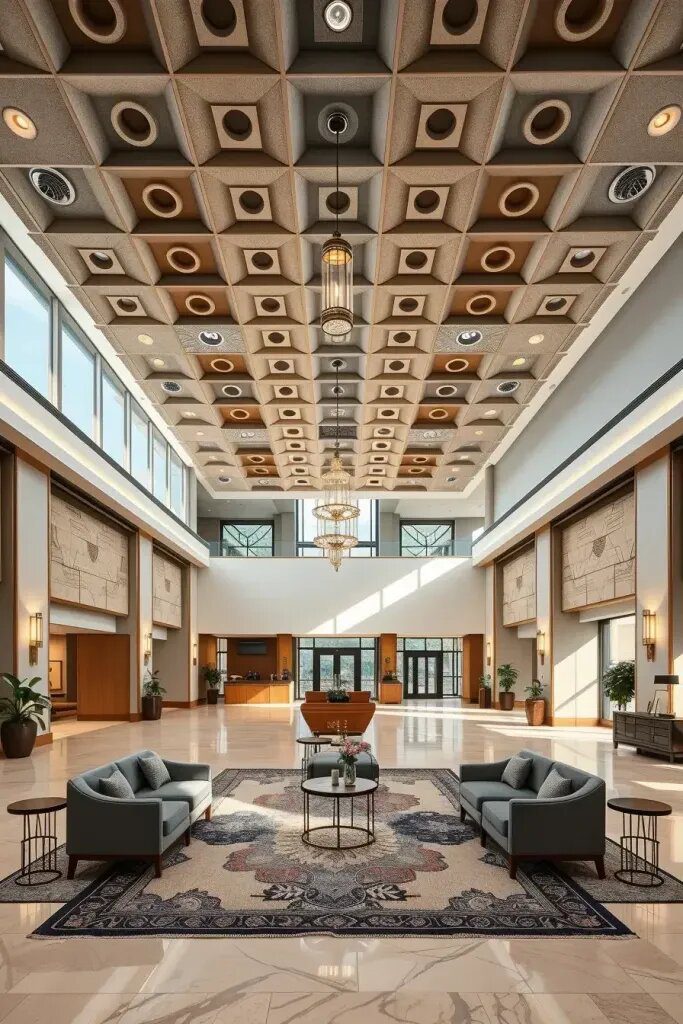
I love creating big, open spaces, but those fancy lobbies can really be a headache when it comes to sound. When I’m designing a room, I always make sure to consider how it sounds – not just for peace and quiet, but also for how it feels. Echoes and loud noises can really mess with the cozy vibes in your home or a hotel room, so it’s important to get it just right.
 Save
Save
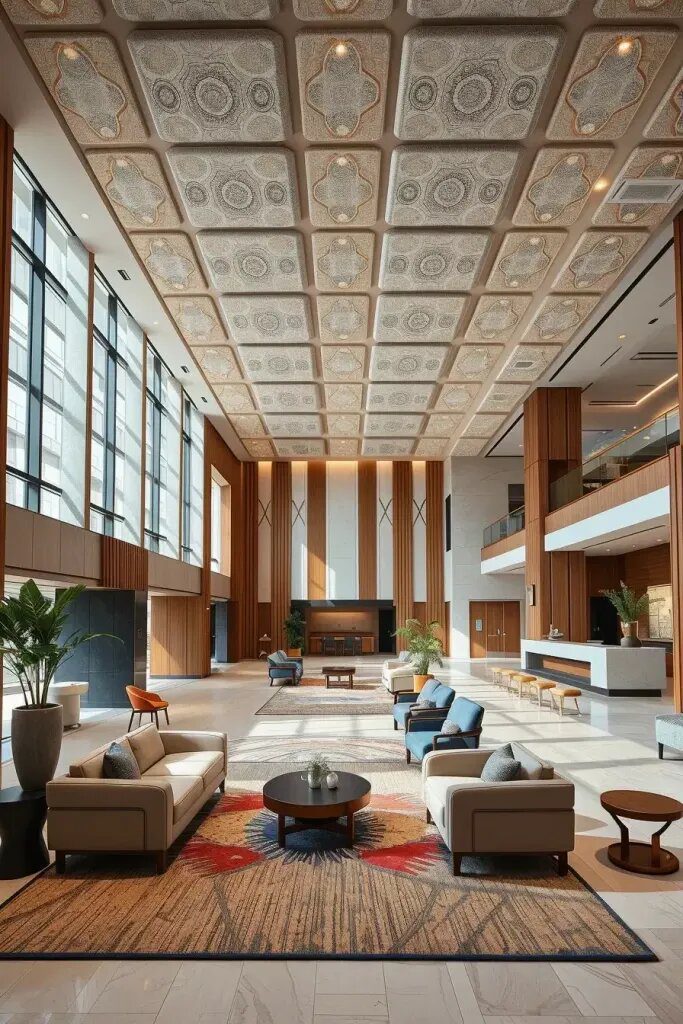
I like to play around with ways to control sound in a room. Adding things like wall treatments, ceiling baffles, and upholstered furniture can make a big difference. I’ve found that large rugs, comfy modern chairs, and cool wall art can also help to reduce noise. Sometimes I even opt for felt ceiling tiles that double as stylish design elements. Just little tweaks here and there can really change the whole vibe of a space, ya know?
 Save
Save
I’ve noticed that when acoustics are done right, they just kind of fade into the background because they work so well. But if you don’t pay them any mind, they can really stand out and leave a lasting impression. According to Metropolis Magazine, the comfort of the sound in a public space plays a big role in how people interact with the building.
If I had the chance to work with more flexibility, I’d totally love to create some cool ambient sound setups in the office. I’d play some calming tunes or maybe some familiar music to help set the vibe, you know? Just to make the workday a little more chill and enjoyable. How about you? What kind of music would you choose to listen to while working?
Interactive Multi-Zone Lobbies Worth Exploring
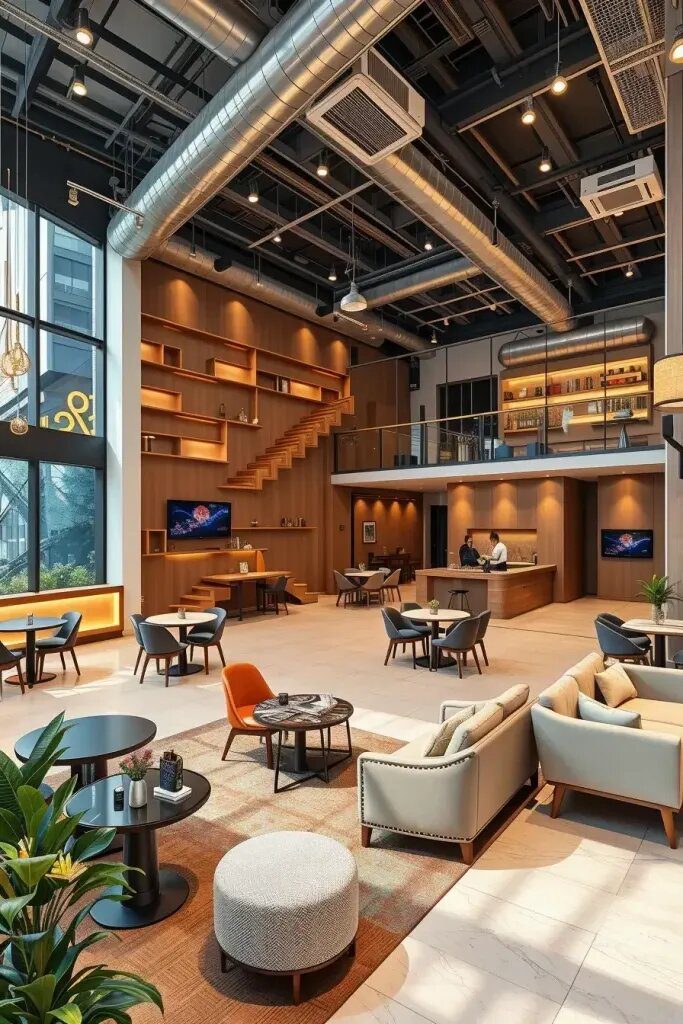
You know, waiting rooms aren’t the only thing lobbies are used for nowadays. The best lobbies these days are like all-in-one spots where you can hang out, work, relax, and even attend events. And what’s cool is that they totally break the old rules and give designers a lot of creative freedom.
 Save
Save
So, when I was setting up the lobbies, I made sure to create different areas for different vibes. There’s a cozy spot with comfy chairs and coffee tables, a standing desk area for getting work done, a cool media wall with steps to chill on, and even little café nooks. Each zone has its own unique lighting, furniture, and sound. It’s all about mixing it up and keeping things interesting!
Clients and guests really love that they can use the rooms in a variety of ways. Forbes pointed out that lobbies have become more than just entrances – now they’re places where people can work, chill, and hang out with others. It’s like a reflection of how we interact in the office these days!
If you want to improve the model, you might want to consider adding some movable partitions or flexible furniture. This way, you can easily change up the room based on the time of day or what you’re using it for.
Sustainable Materials for Upscale Lobby Design
I think it’s great that sustainability has become such a big focus in the luxury industry now. Personally, I love using building materials that are recycled, grow back quickly, or have a lighter environmental impact. Not only does it help the environment, but I also find that these materials are often more unique and eye-catching.
 Save
Save
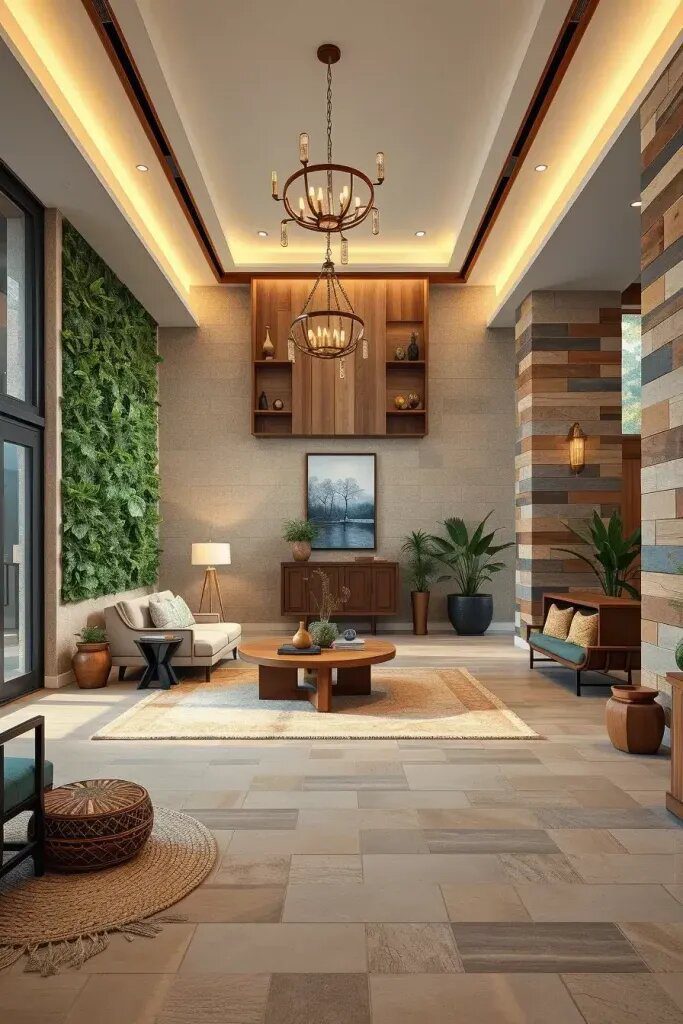
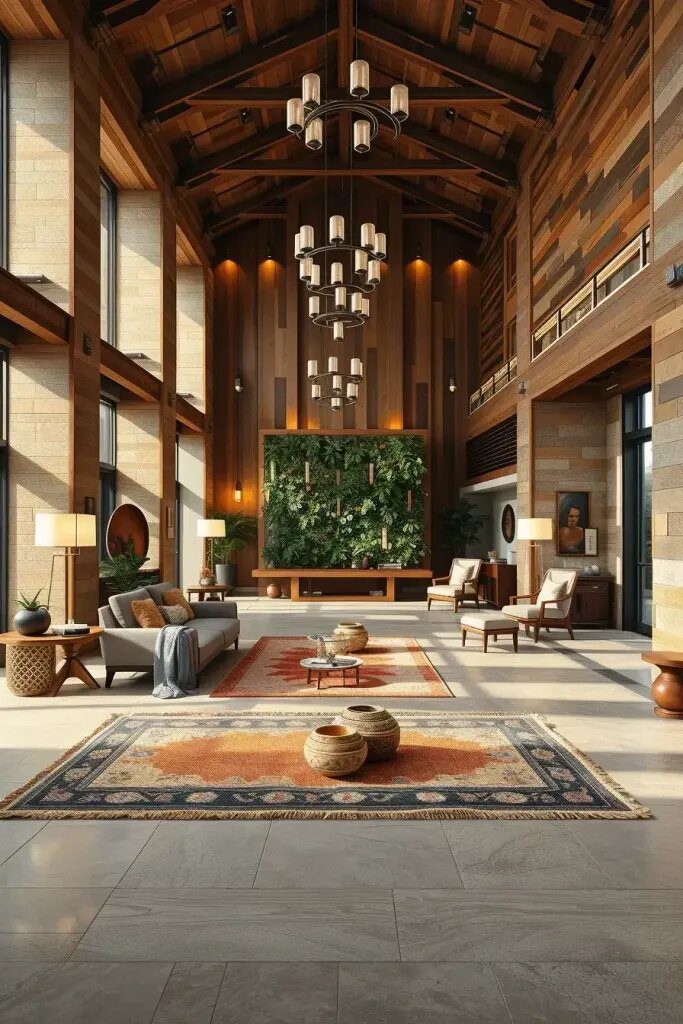
When I design sustainable lobbies, I love using reclaimed wood, eco-certified stone, natural fiber rugs, and low-VOC paints. I also like incorporating ceramics made by talented local craftsmen and artists to support the community’s traditions and reduce emissions from shipping. I always make sure to choose items that are durable and ethically sourced.
 Save
Save
Lately, I’ve been really trying to think more about sustainability in my work. It’s made me realize the importance of taking a step back and planning ahead. I read on Dezeen that incorporating eco-friendly practices in luxury interiors is becoming more common. It’s challenging us to get creative and work towards a more responsible future.
We can really elevate this area by adding some cool energy-efficient lights and maybe even some lush green walls! It would totally give the space a fresh and stylish vibe.
Lobby Design for Residential Towers and Condos
When people come to your home, the first and last place they see is usually the lobby. It’s important to make sure these rooms not only look nice, but also feel warm and welcoming for the owner. I have to pay attention to how the space makes people feel so that it truly feels like a special and cozy spot in the house.
 Save
Save
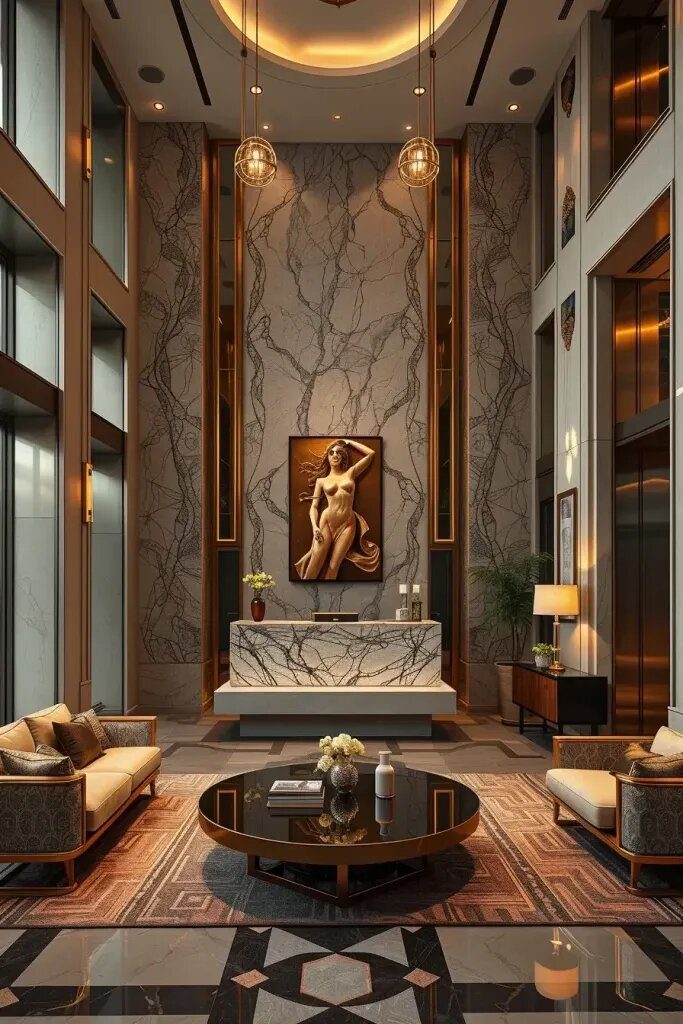
In the lobbies I design, I like to incorporate beautiful concierge desks made from natural stone, cozy luxury seating, unique artwork, and soft lighting. You’ll see a lot of warm neutral colors and metallic accents that give off a feeling of comfort and sophistication. Sometimes, I even carry the same design style from the lobby into the elevator area to create a seamless flow throughout the building.
I’ve heard from many of our neighbors that they take pride in welcoming guests in our building lobbies. The Wall Street Journal mentioned that high-end residential lobbies are being designed to give off a hotel lobby vibe, with a touch of elegance and unique experiences.
Another great benefit would be having secure lockers that only the people living here can use, or setting aside special lounge areas just for them.
Concierge Desks Balancing Function and Flair
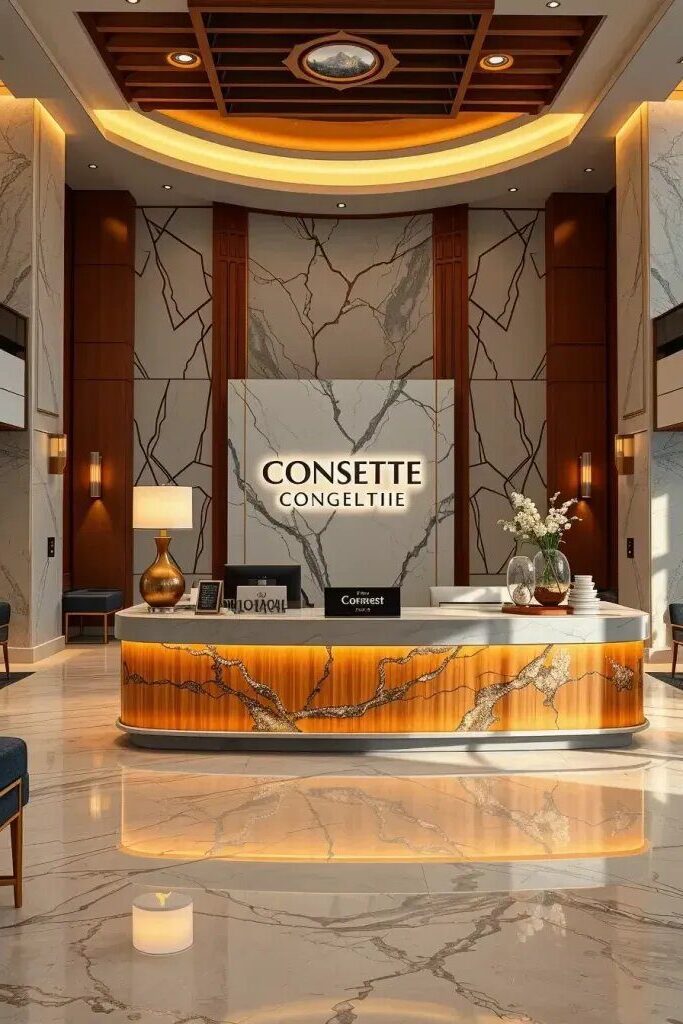
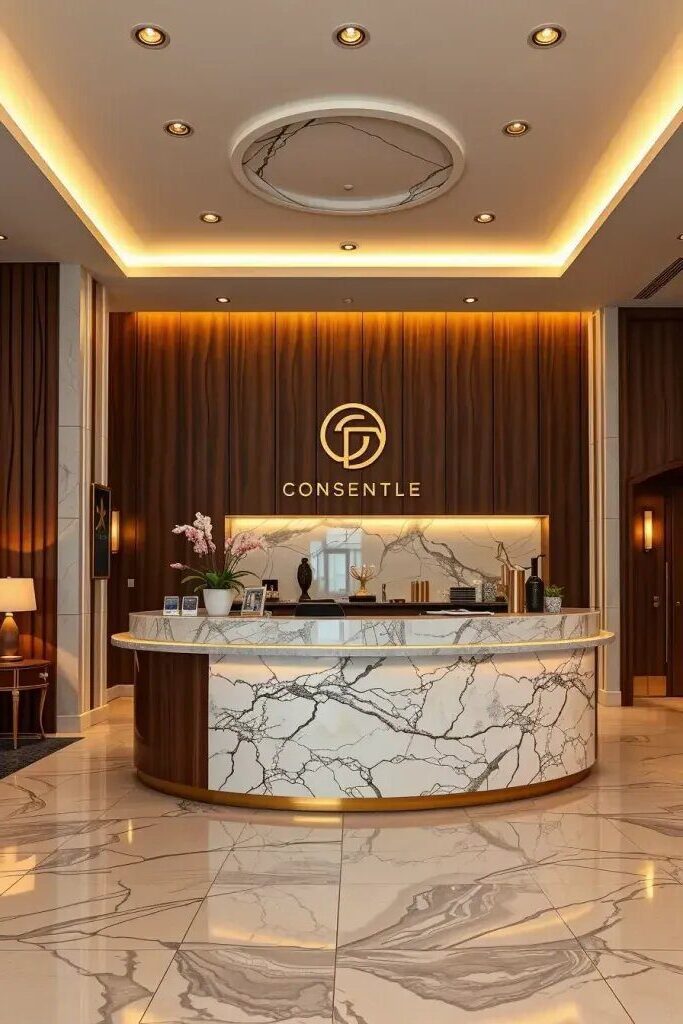
When you’re designing the lobby, think about starting with the concierge desk since it’s the first thing guests see. It should be not only practical but also represent the brand or building. Personally, I prefer layouts that focus on symmetry, great views, and comfortable working spaces. By using natural light and strategically placed lamps, you can enhance both the look and functionality of the desk.
 Save
Save
I love how the marble countertops, wooden accents, and polished metal all come together to give the area a really high-end feel. When I’m at my desk, I always suggest adding some custom wall installations or logo panels to really help with the organization’s branding. And little things like sleek desk lamps, organized filing boxes, and wireless chargers can really spruce up your workspace and make it more functional. Plus, all the signage is seamlessly integrated and the wires are hidden, so the space looks really clean and organized. It’s all about creating a stylish and usable workspace!
 Save
Save
You know, something I’ve noticed is that curved desks just have a way of making people feel comfortable, especially when you see them in places like hotels or other cool spots. On the flip side, in office settings, angular desks give off vibes of authority and precision. I read this interview in Interior Design Magazine where a Gensler director talked about how first impressions are key in everything we do now. Like, when a guy walks up to the concierge desk, that first greeting sets the tone—and you can’t fake it. It really resonates with me as I focus on these key elements.
In a lot of offices or busy places, you might notice that desks don’t have stuff like sound-absorbing panels around them. If you add a smaller, lower counter in the kitchen, it can make it easier for everyone to reach, even if it’s not the most stylish choice at first glance. Just a thought!
Lobby Lounges Built for Social Interaction
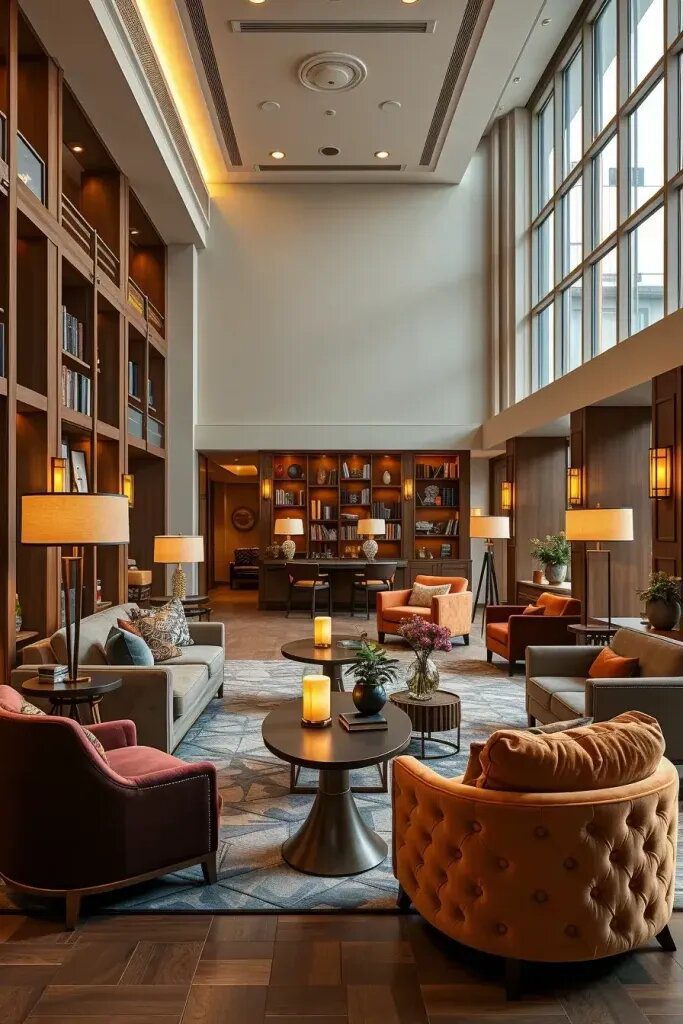
I find that when designing social spaces like lobbies, it’s a delicate balance of science and creativity. I like to start by setting up different zones – a cozy spot for chatting, a livelier area for more animated conversations, and some quieter nooks for personal time. Each space should have its own vibe, but still flow together smoothly. I find that using mostly neutral colors and adding a few touches of color can help define areas without the need for physical dividers. And of course, it all comes down to the right spacing, sound control, and lighting to really make it work.
 Save
Save
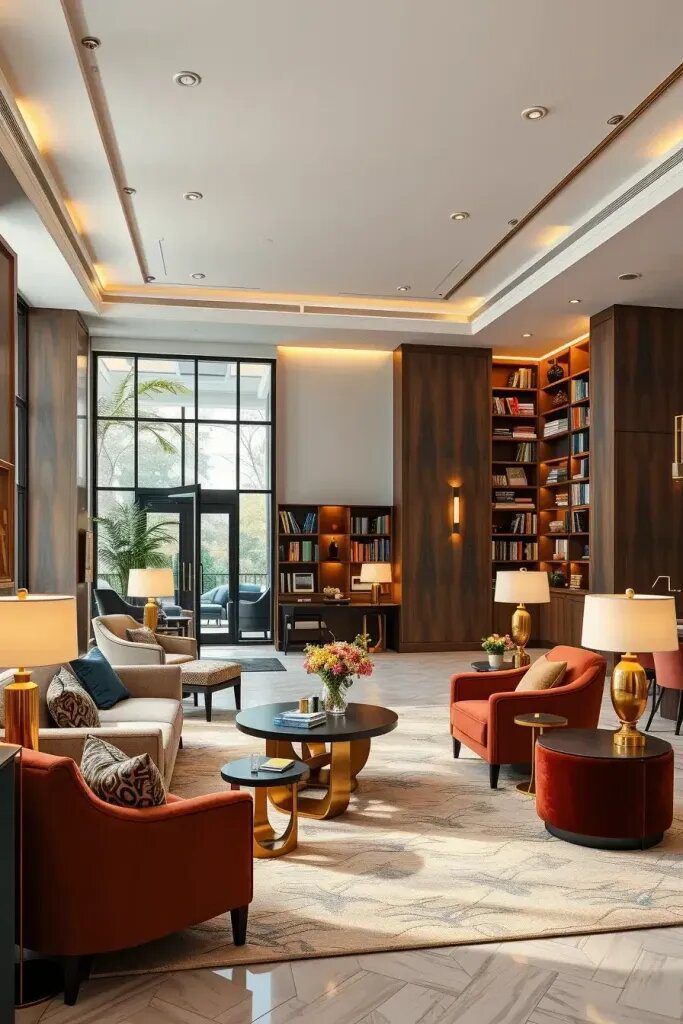
I believe it’s important for everyone to feel comfortable using the furniture in their home, don’t you? In my own space, I like to have a cozy modular sofa, a statement chair, and a stylish coffee table. I find that velvet or leather fabrics add a luxurious feel, while stones and glasses keep things more accessible. Mixing ceiling lights, floor lamps, and table lamps helps set the right vibe in the room depending on the mood. And adding some books, unique sculptures, and high-quality magazines to your living room can really elevate the space and make it feel inviting and welcoming. What do you think?
 Save
Save
I personally believe that a great lobby lounge should reflect the personalities of the folks who frequent it. So, when I’m designing fancy apartment complexes, I like to include fireplace walls and gallery art to create a cozy vibe that gets people chatting. According to Architectural Digest, a fantastic lobby lounge is more than just seating – it’s about creating a warm and inviting ambiance. I’ve always kept this in mind while designing my lounges, aiming to give residents a feeling of ownership and a taste of luxury.
One cool idea could be adding charging stations to the arms of lounge chairs or on the tabletops. A lot of lounges have a hard time blending technology with the cozy atmosphere. And hey, using digital screens to show announcements inside the building doesn’t have to clash with the overall design, you know?
Lobby Design Workflow: Concept to Completion
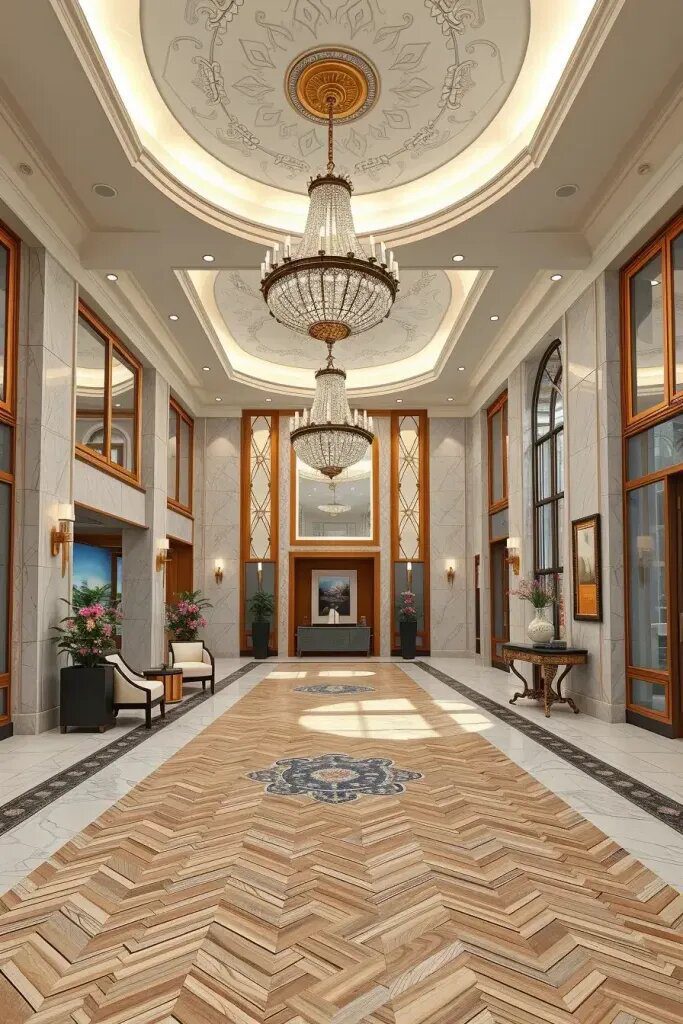
It’s super important to really get a grasp on the whole process of creating a fancy lobby. Typically, we start with a meeting to understand what the client envisions and check out the space. After that, we create a 3D model of the project and start hunting for the right materials to use. This is where we make some of the major decisions and make sure everything aligns with our branding and local regulations. When working on a hotel project, we collaborate with architects, interior designers, and sometimes even marketing teams dedicated to promoting the property.
 Save
Save
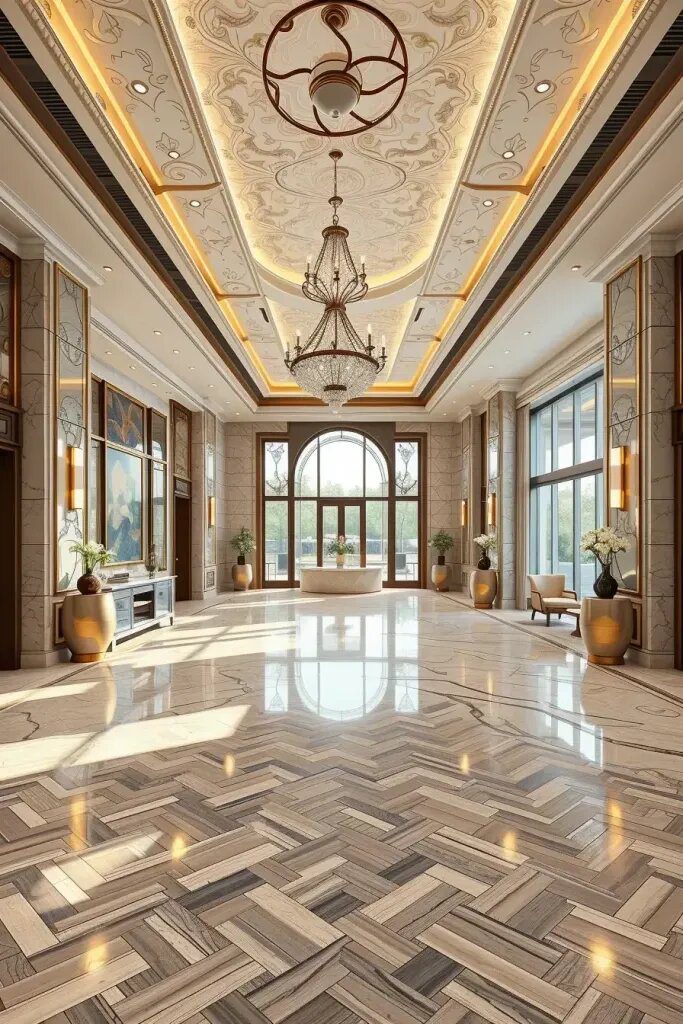
After we finish all the planning, the next step is picking out materials for the walls, lighting, flooring, and ceiling. I always recommend going for custom flooring designs such as herringbone or terrazzo, and opting for impressive ceiling designs for those high-end projects. Adding chandeliers, hidden LED lights, and bulkheads in multiple rows can really make the space feel more dynamic. We make sure to strategically place all HVAC, sprinkler systems, and access panels so they don’t take away from the overall look of the ceiling.
 Save
Save
I believe that one of the most important aspects of any project is good communication. Making sure everyone is on the same page during the checking phase can really help keep the costs down. As I read in Dezeen, having clear conversations is the key to creating top-notch designs. I’ve personally experienced this firsthand in my own projects, and it’s always proven to be true.
You know what would be really cool? If we could get the contractor to use VR to walk through the design before they start building anything. Some clients have a hard time visualizing floorplans, so being able to show them virtual mockups would be awesome. It would speed up the approval process and give customers more confidence in the project.
Looking Ahead: The Future of Lobby Design
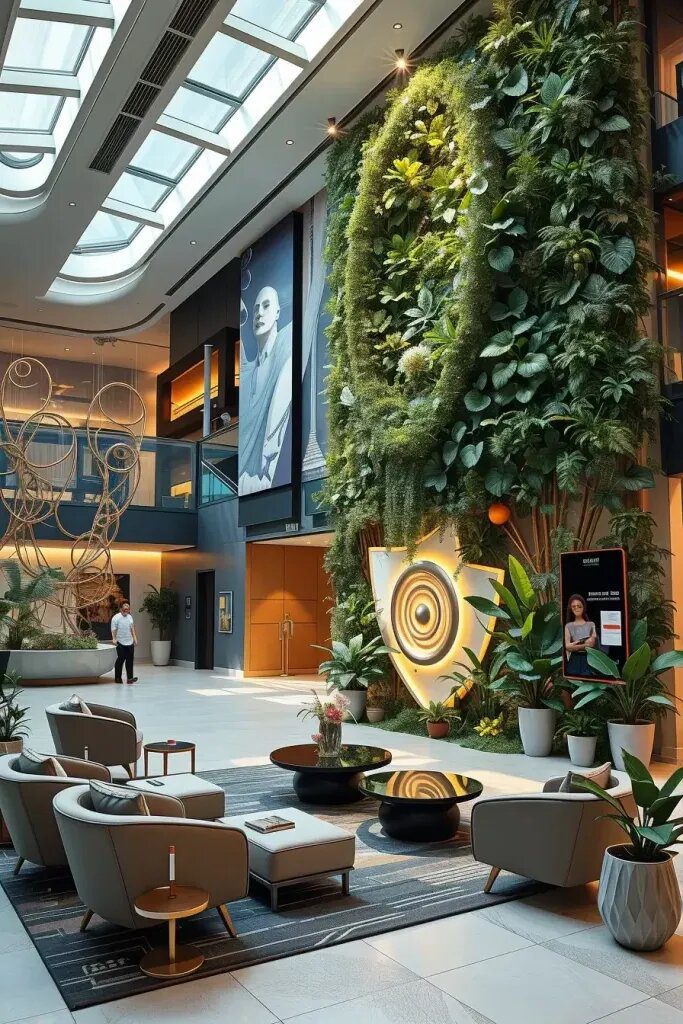
Lobby design is really starting to embrace technology and sustainability these days. I’ve been seeing things like biometric security, scents being diffused through the air, and lights that change based on the time of day. Plus, vertical gardens and plant sculptures are popping up, combining eco-friendliness with health benefits. It’s exciting to see how lobbies are evolving!
 Save
Save
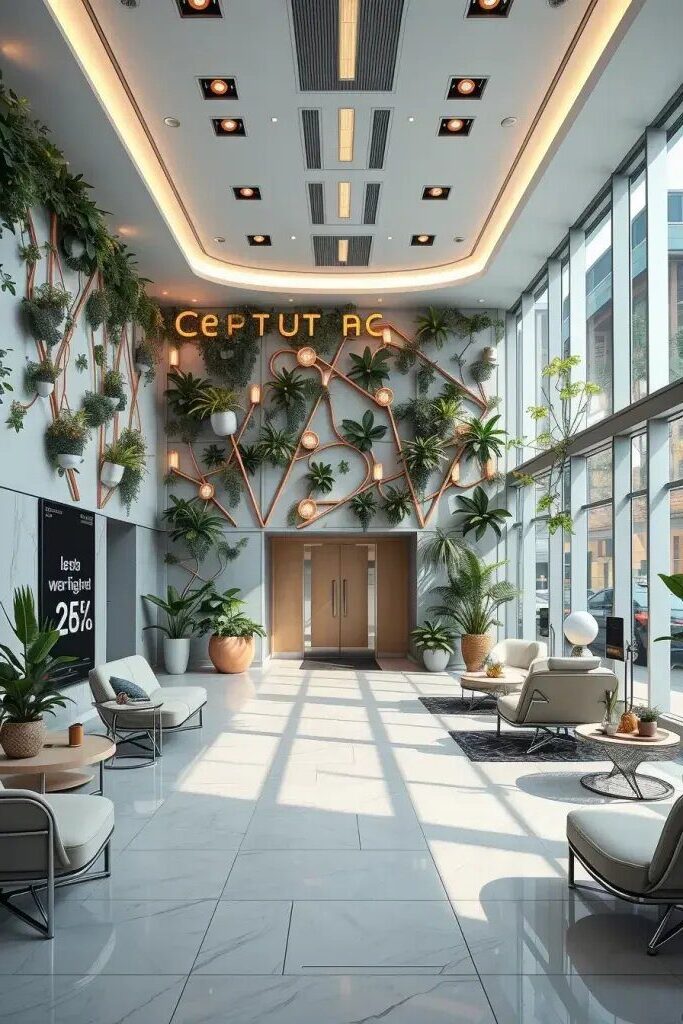
Have you noticed that furniture these days is so versatile? It can easily be adjusted to fit different needs and change up spaces when necessary. I love how you can find acoustic zoning, movable dividers, and furniture with built-in tech features now. And have you heard about smart textiles? They’re amazing – these fabrics can help regulate temperature or even purify the air around us. Also, in eco-friendly buildings, they’re using interactive art and projection mapping instead of traditional decor, which is so cool. It’s like the future is already here!
 Save
Save
I’m always keeping an eye on the latest trends, and I really believe that designers need to stay on their toes and adapt fast. A lobby isn’t just a place to greet guests – it should be an exciting and vibrant experience. I read in Metropolis Magazine about this new lobby concept that combines elements of a cozy living room, a trendy coffee shop, and a high-tech hub. It really got me thinking about the importance of staying ahead with our research. It’s fascinating stuff!
There’s so much potential to explore with using scents and designing immersive sound experiences to really captivate people. Imagine stepping into a lobby that embodies the essence of a company’s brand in every way. And who knows, maybe in the future, virtual reality will be able to engage all of our senses.
When it comes to lobby design, it’s not just about looks—it’s all about crafting a welcoming and practical space that leaves a lasting impression. I hope this guide has given you some valuable tips on creating stunning and efficient lobbies. Do you have any ideas, questions, or design tricks of your own to add? Drop a comment below, I’d love to hear from you!