
60 Creative Small Living Room Layouts That Save Space
Stuck on how to make a small living room feel open and inviting at the same time? Maybe you want a better furniture arrangement, smarter storage, or a layout that just works without any construction. You’re far from the only one facing this problem. This article walks through practical tips for stretching limited square footage, whether you’re working around odd corners, tight walkways, or a room that needs to pull double duty. The goal is a mix of style and function that fits real modern homes.
Smart Layouts For Small Cozy Rooms
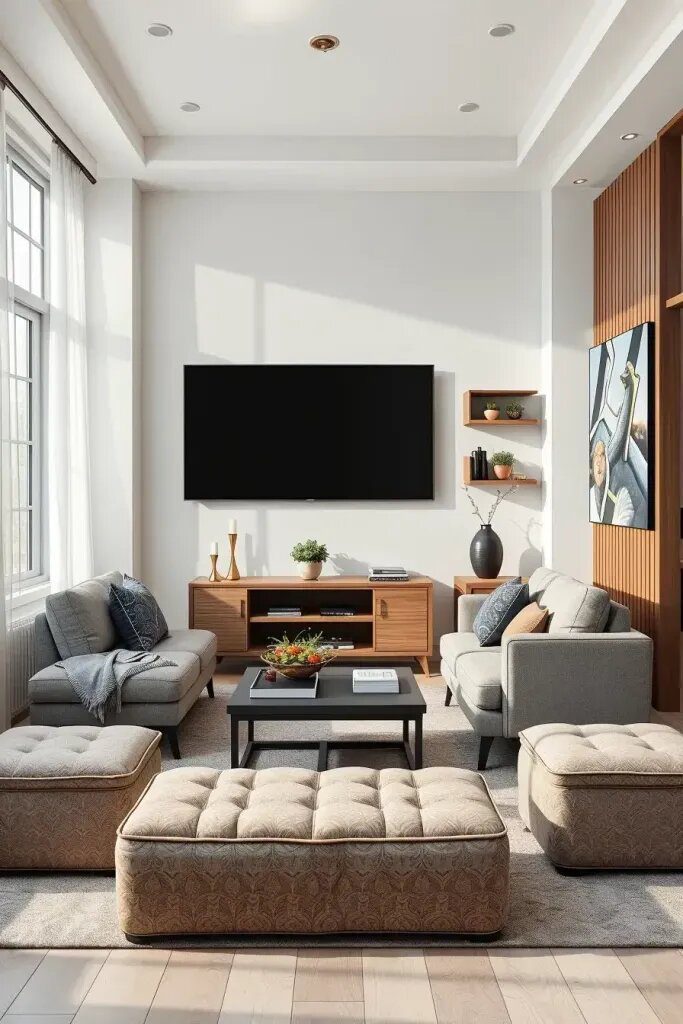
Planning a small living room means treating every inch as functional space. I push furniture against the walls to keep the layout tight and leave the center open for walking through, which keeps the room from feeling cramped. Swapping table lamps for wall-mounted lighting frees up even more surface area, since you no longer need side tables just to hold a lamp.
 Save
Save
Furniture scaled to the room makes a big difference, so I lean toward a compact two-seater sofa and a wall-mounted TV stand rather than a bulky media cabinet. Slim console tables that slide behind the couch double as a workspace when needed. Ottomans with hidden storage and foldable desks are another easy win for a tight footprint. Small changes like these add up to a room that’s easier to live in day to day.
 Save
Save
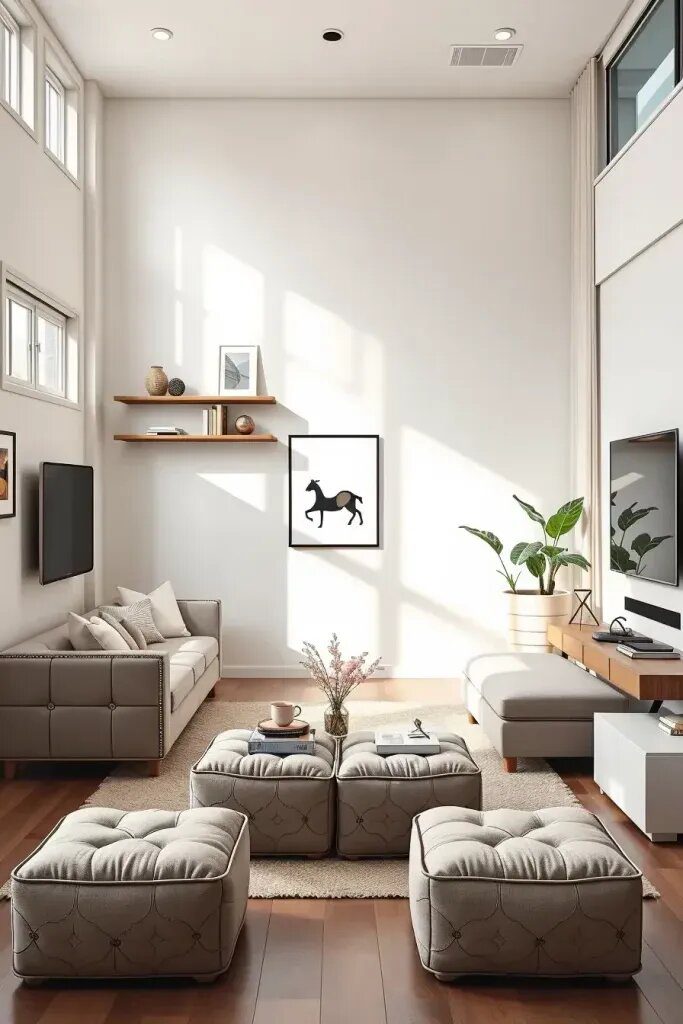
Corners get skipped over more often than you’d think when planning a layout. On one project, we installed L-shaped corner shelves that made great use of dead space and gave us a spot to display decor. House Beautiful has pointed out that mirrors placed strategically can bounce light around a room and make it read larger, and it’s a trick I reach for often in tight living rooms.
Built-in shelving tucked beneath a window adds storage without eating into floor space. A drop-leaf table mounted to the wall is another smart option, since it can flip down for meals or serve as a compact desk during the day.
Ways To Make A Small Room Look Bigger
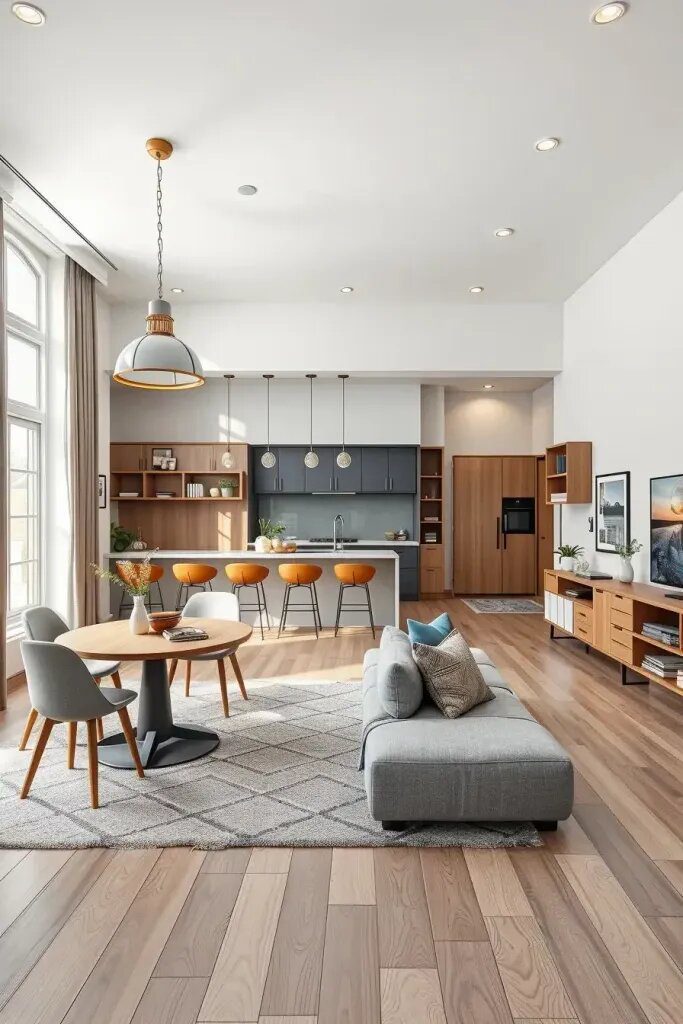
Removing anything that chops a small room into segments changes how the whole space feels. An open floor plan that blends living, dining, and kitchen areas reads as far more spacious than the same square footage divided by walls. Connected zones trick the eye into seeing one larger room instead of several small ones.
 Save
Save
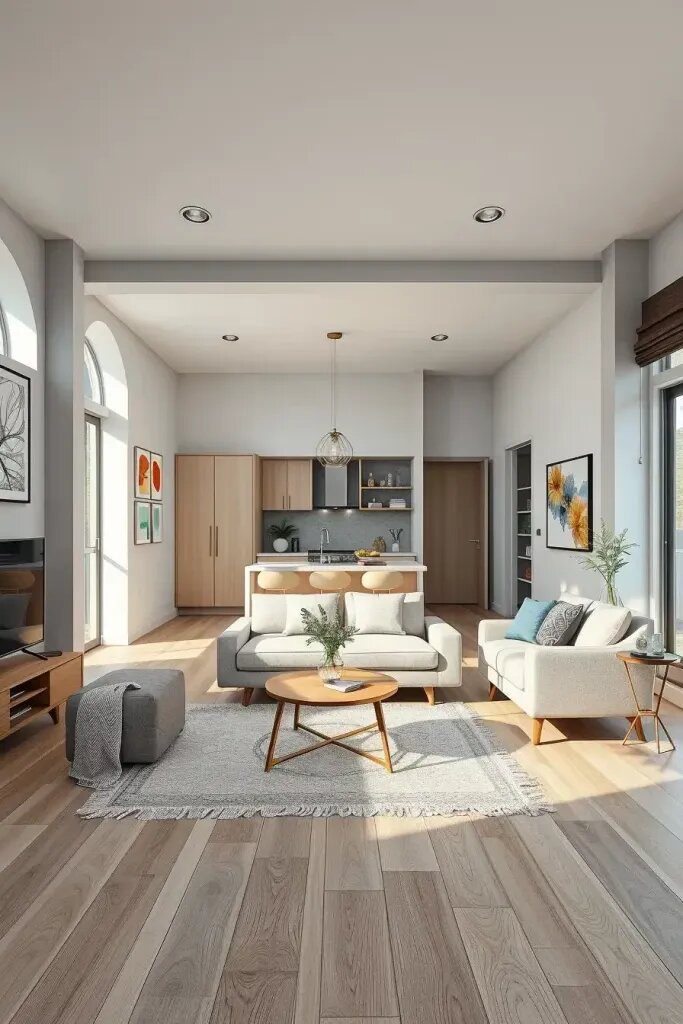
An armless sofa once served as the divider between my kitchen and living room, and a shared palette of grey, white, and wood tones tied both areas together visually. Open shelving and layered rugs replaced solid walls, sectioning off the space while still letting natural light travel freely through the room. The result feels bright and welcoming in a way a closed-off layout never did.
 Save
Save
Architectural Digest has some genuinely useful takes on building a seamless room design. Using one flooring material throughout, like hardwood or large-format tile, and layering in enough lighting fixtures made my own space feel far more connected. Sticking to a single material rather than switching between rooms is what pulls the whole layout together visually.
A hanging rack mounted to the ceiling or a small bar cart placed beside the sofa can clear up floor space that would otherwise go to a bulky cabinet. Either option adds storage without adding footprint, which matters most in a smaller room.
L-Shaped Layouts For Small Rooms
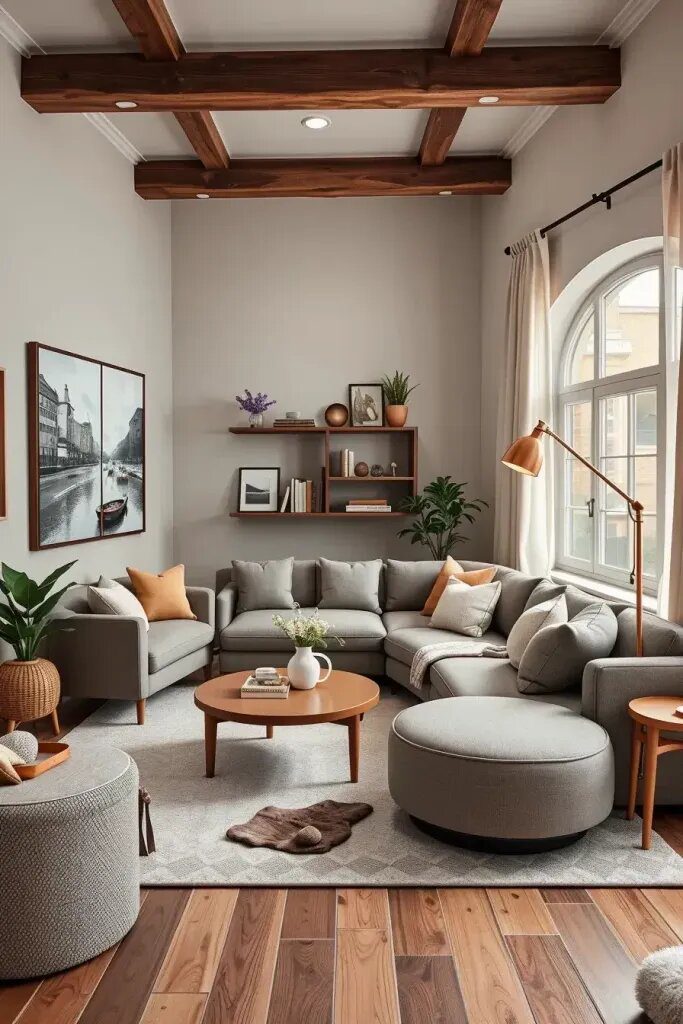
An L-shaped layout is one of my go-to setups for a small living room. Two connecting walls form the L, with a longer sofa running along one side and the second wall acting as a natural divider. This split happens without adding a single partition, and it still leaves one section of the room clear for walking through or for other activities. It’s an efficient way to define zones in a room that can’t spare the space for actual walls.
 Save
Save
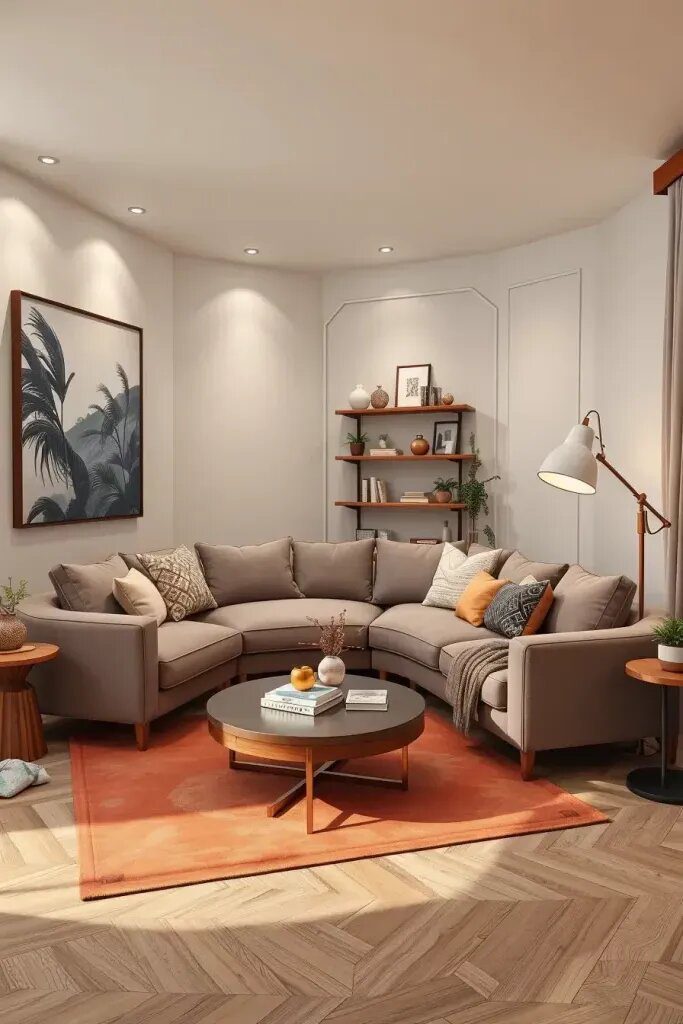
An L-shaped sectional with built-in storage underneath is worth considering in a tight room. A table with rounded edges pairs well with this shape and avoids the sharp corners that make small spaces feel tighter. Vertical shelving on the opposite wall balances the layout, and a tall plant or floor lamp tucked into the corner adds height without taking up floor space. These small additions round out the room without crowding it.
 Save
Save
City apartment dwellers tend to gravitate toward this layout because it feels calm and organized rather than boxed in. Elle Decor has noted that a large piece of artwork can anchor the whole room, and that’s a detail I include whenever the wall space allows for it.
A ceiling-mounted curtain track can close off one side of an L-shaped layout when privacy is needed, then open back up the rest of the time. It’s a flexible way to switch between a divided and open room without any permanent construction.
Sectional Sofa Layouts For Compact Rooms
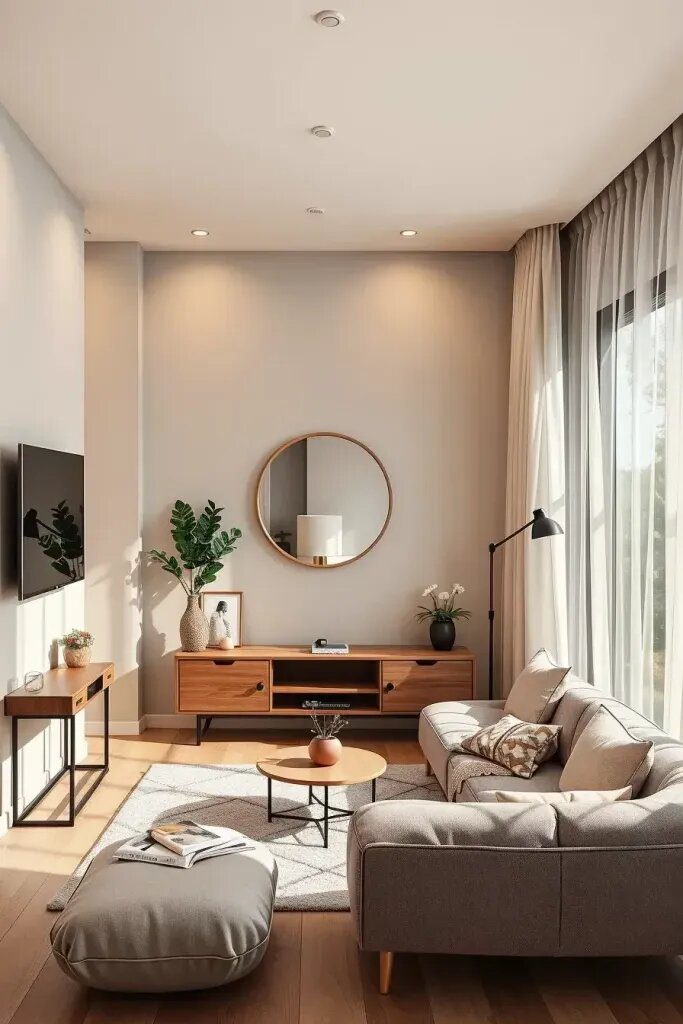
Picking the right sectional matters, but how you position it changes the whole feel of a compact living room. An L-shaped couch with a chaise on one end gives you extra lounging space without eating up much floor area. It also cuts down on the need for separate armchairs when guests come over, since the sectional itself seats a group.
 Save
Save
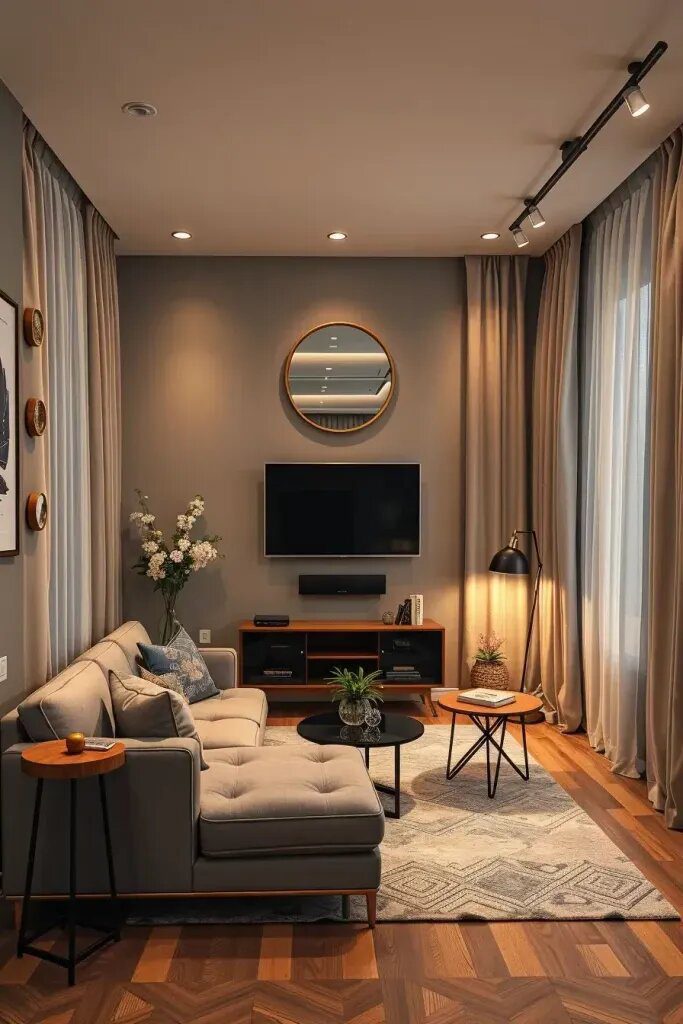
Look for sectionals without a knee wall and with slightly raised legs, since visible flooring underneath makes the whole room feel more open. A TV console or side table with hidden drawers keeps clutter out of sight without needing a bulky cabinet. If the sectional sits in front of a window, sheer curtains let daylight in while still giving you some privacy from outside.
 Save
Save
Studio apartment dwellers seem especially drawn to this kind of setup. Better Homes & Gardens has covered how sectionals with built-in side tables and cup holders save space by removing the need for separate end tables. It’s a practical setup for anyone short on square footage.
A mirror or floating shelf mounted above the sectional adds both display space and a sense of visual depth to the layout. It gives you somewhere to show off books, framed photos, or small decor pieces instead of leaving that wall blank. That extra layer of detail keeps the seating area from feeling like an afterthought.
Floating Furniture Layouts For Open Rooms
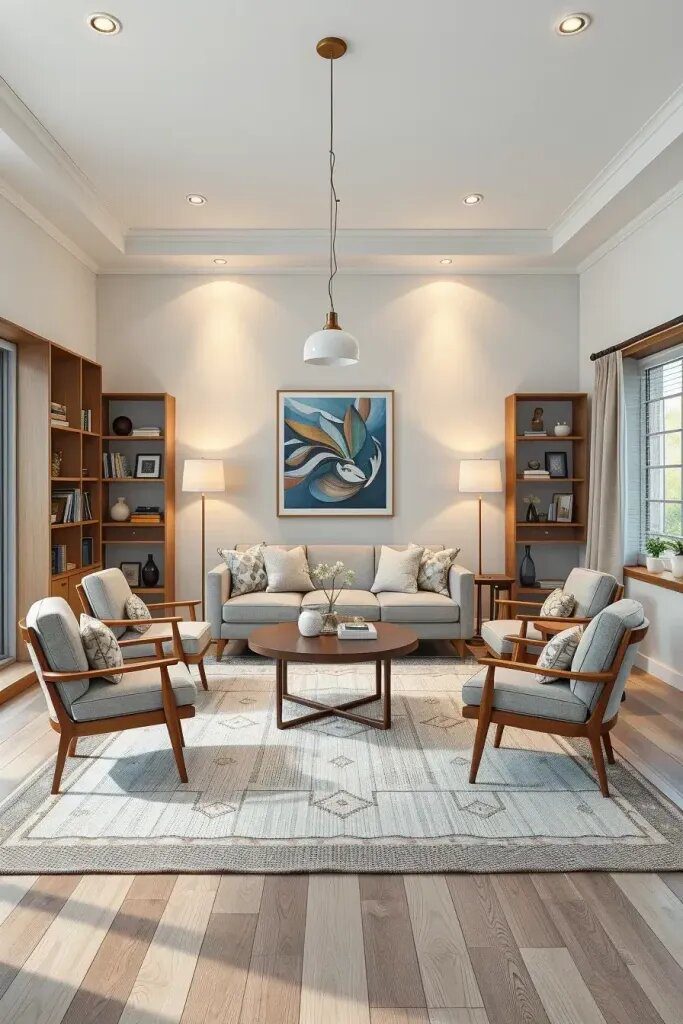
Pulling furniture away from the walls can make a small living room feel more inviting than pushing everything to the perimeter. Leaving a bit of breathing room around each piece opens up the space in a way that’s easy to underestimate. This approach works especially well when you want one clear central gathering spot.
 Save
Save
A small sofa paired with two armless chairs around a round coffee table makes a solid centered seating group. I place this cluster on a rug sized to reach only halfway to the walls rather than covering the entire floor. Floor lamps instead of table lamps keep the surfaces around the seating area clear and uncluttered. Once the room’s edges are free, slim bookcases or a storage bench can fill that space without crowding the center.
 Save
Save
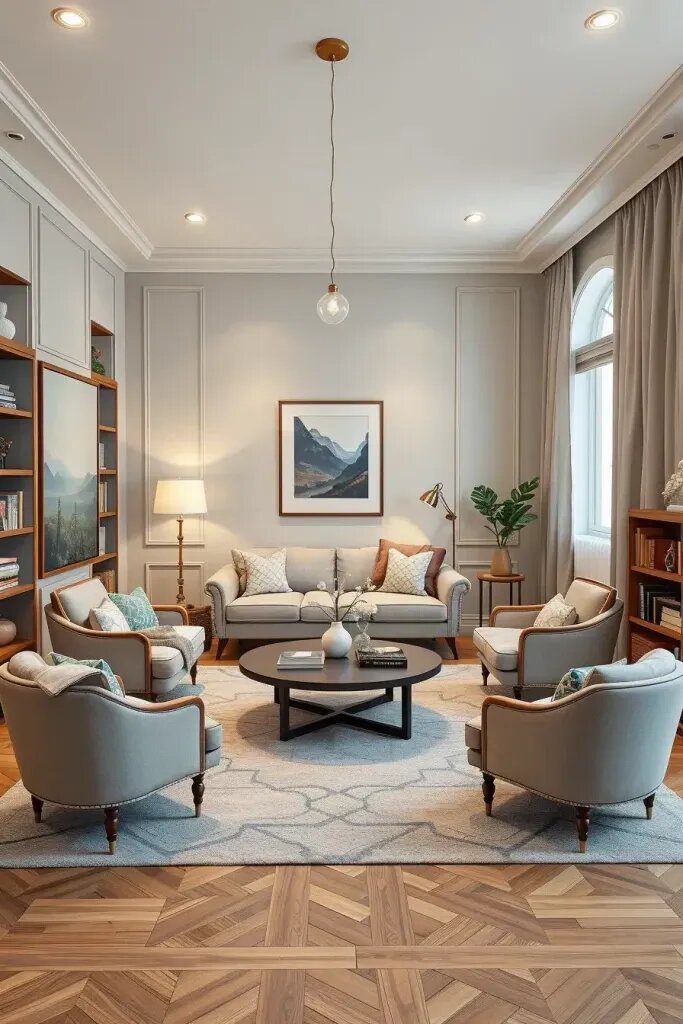
Domino Magazine has covered an organic style built around softer, curved furniture instead of rigid straight lines. Their approach favors a few well-placed art pieces over a lot of small accessories, and it turns a plain room into something that feels finished rather than sparse.
Pendant lights hung directly above this kind of furniture arrangement anchor the seating area and make the center of the room feel intentional rather than left over.
Corner Furniture Ideas To Save Space
Corners are underrated real estate in a small living room. An L-shaped sofa or a set of angled shelves tucked into an unused corner can free up square footage elsewhere in the room. It’s a simple trade that gives you more storage or seating without sacrificing walking space.
 Save
Save
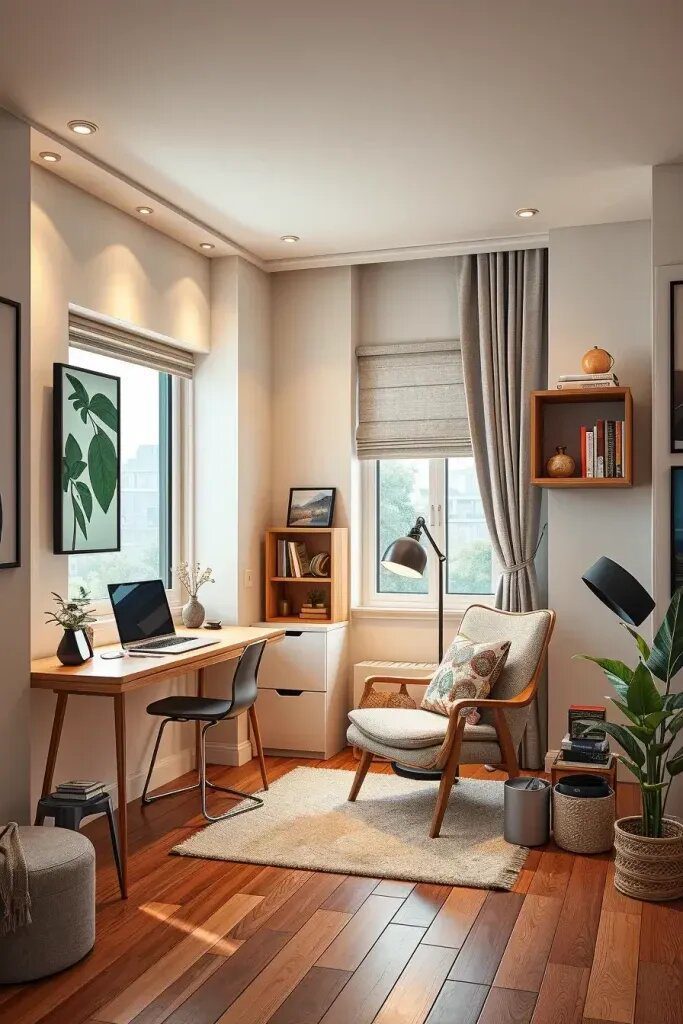
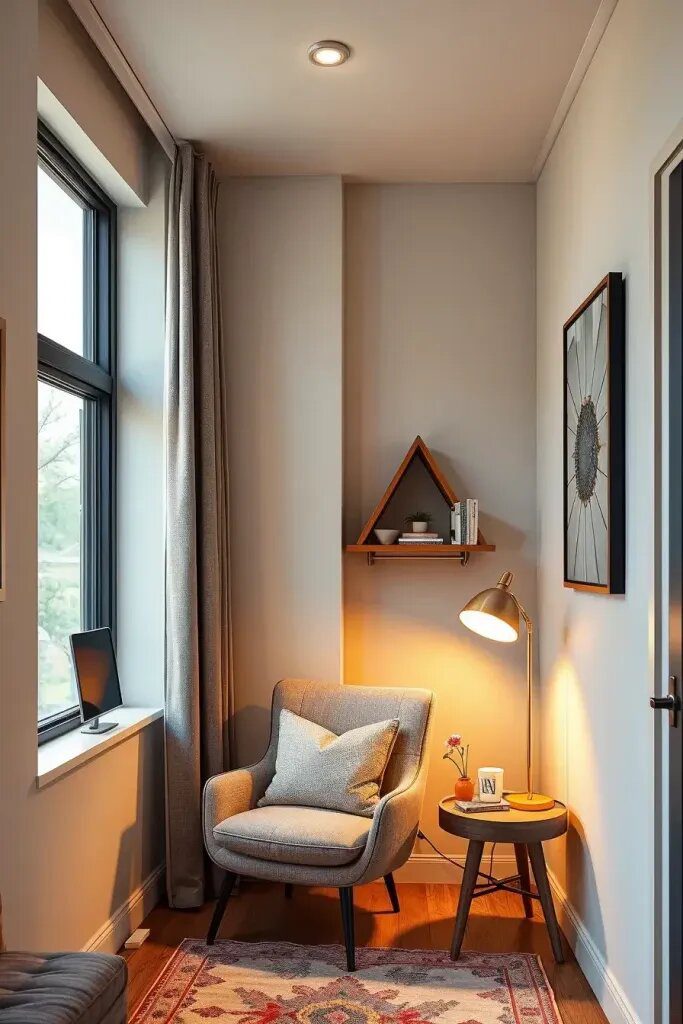
A reading nook built into a corner with a small chair and a floor lamp turns dead space into a spot people actually use. A corner near a window works well for a narrow desk or console table instead. Triangular shelves or floating corner units add storage or a place to display personal items, and they make an otherwise wasted corner feel purposeful.
 Save
Save
Working on different projects, I’ve picked up a few ways to turn awkward corners into genuinely useful space. Dwell has written about designers using corner banquettes or custom built-in joinery, and after trying it myself, I can say it holds up in real, lived-in rooms.
A wall sconce or a mirror hung in a dim corner adds light and helps a small, shadowy spot feel less cramped. These small fixes matter more in corners than anywhere else in the room, since corners are usually the last place natural light reaches.
Symmetrical Furniture Layouts For Small Rooms
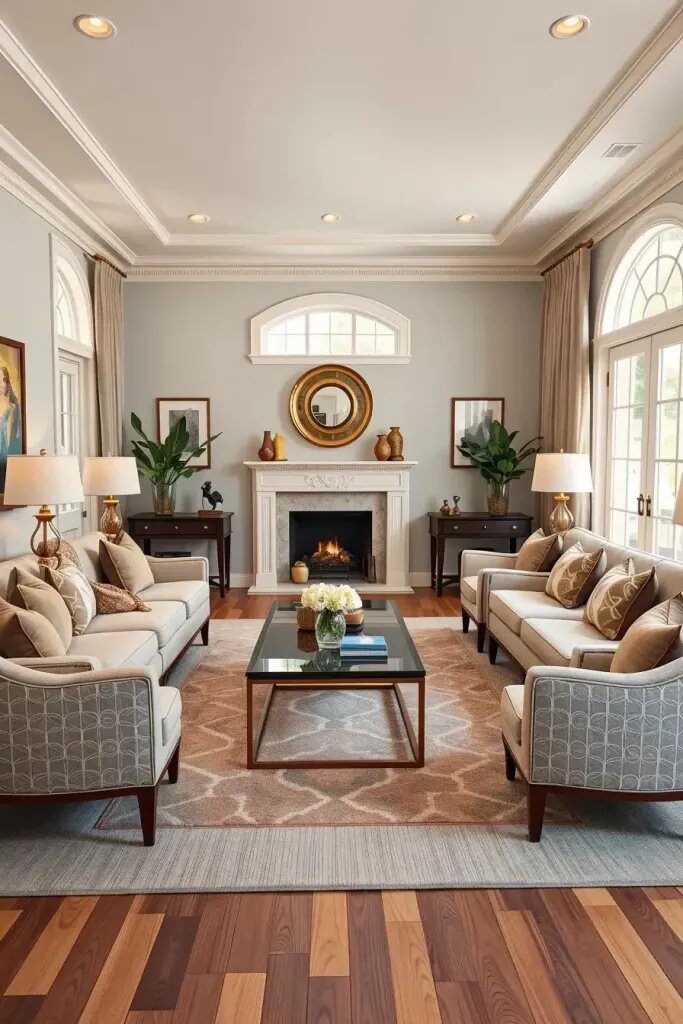
Symmetry brings a sense of order to a small living space that an asymmetrical layout often can’t match. Balancing furniture on either side of a focal point, like a fireplace, a window, or a TV stand, draws the eye toward what matters most in the room. It also makes the space easier for guests to read and move through, since the layout follows a clear logic.
 Save
Save
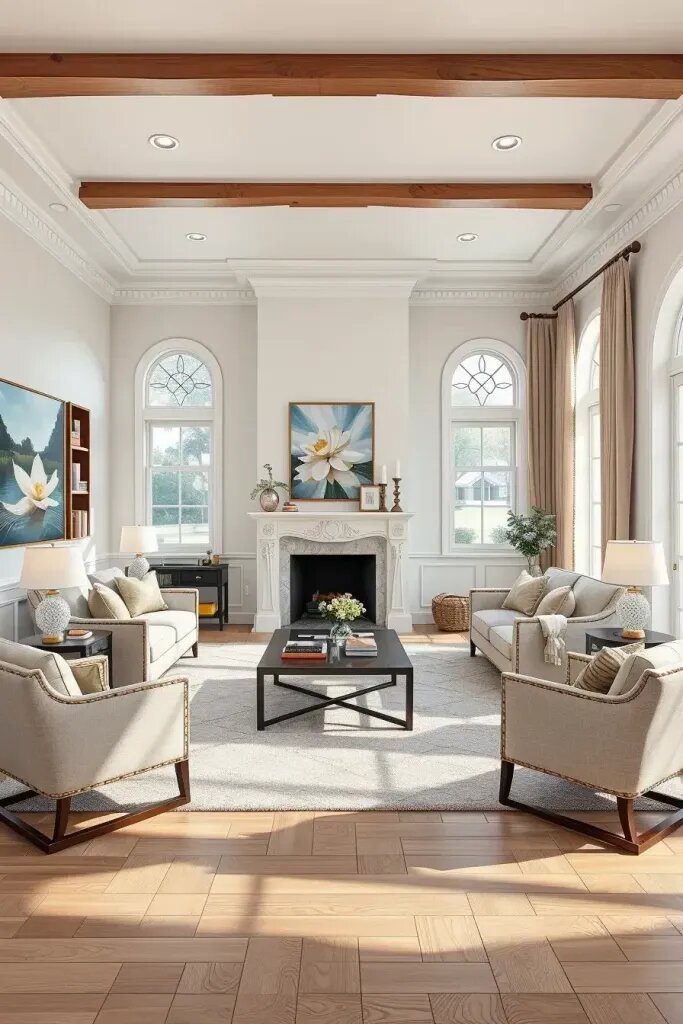
A coffee table centered in the room with two chairs or loveseats mirrored on each side is my usual starting point for this layout. Matching lamps, side tables, and artwork on both sides reinforce the balance and give the room a tidy, finished look. Using the same fabric for accent pillows and drapes ties the whole arrangement together even further.
 Save
Save
Clients who favor a classic or straightforward style tend to prefer this approach over a more casual layout. Veranda magazine has noted that symmetrical designs suit rooms with strong architectural details, which comes up often in prewar or older homes with existing millwork and moldings.
Soft lighting tucked behind shelving or into the corners of the room highlights the symmetry without making it feel stiff or overly formal.
Using Rugs To Define Zones In Small Rooms
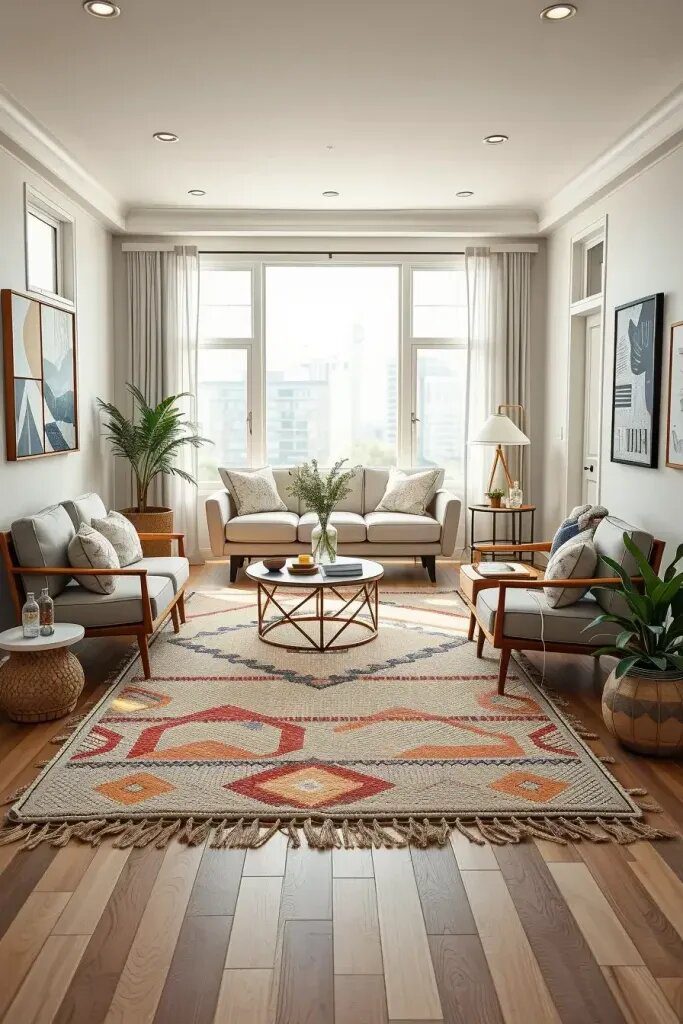
A rug does more than add comfort underfoot in a small living room. It marks off distinct zones for different activities, or separates the main seating area from a nearby nook or entryway, without the cost or commitment of a wall or partition. In a small room, that kind of soft boundary keeps the space organized while still feeling open.
 Save
Save
I really like having low-pile rugs in light or neutral colors because it helps keep the room from feeling too cramped. It’s a good idea to make sure the rug goes under the front legs of your sofa and armchairs to tie everything together. And when I want to add a bit of flair, I go for geometric or bordered rugs that match the shape of the room, giving it a nice touch of structure and flow.
 Save
Save
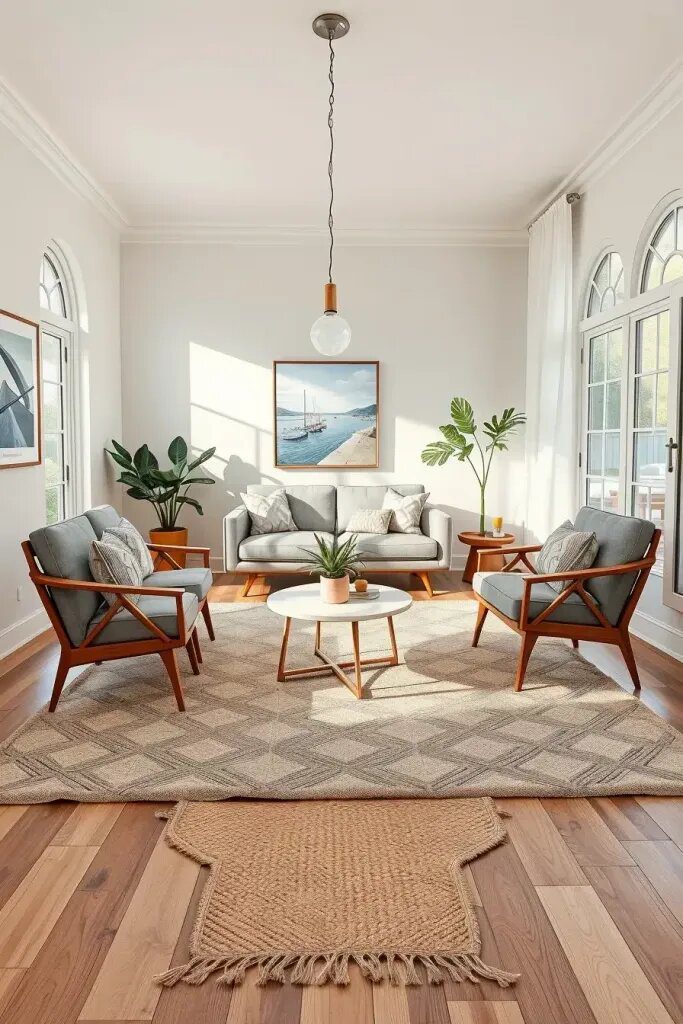
I’ve noticed that rugs can really transform a room, especially when you have an open layout. Using a rug that fits just right can bring a small space together. I learned from watching HGTV that layering wool or shag rugs on top of jute rugs can add some flair and texture. I gave it a try in areas where my floors were temporary, and it worked like a charm!
To make things easier, you could always bring in some rugs from outside. They’re inexpensive, easy to clean, and thin enough for those with kids or pets. It’s a simple way to keep your floors looking nice and clean!
Multi-Purpose Furniture For Small Spaces
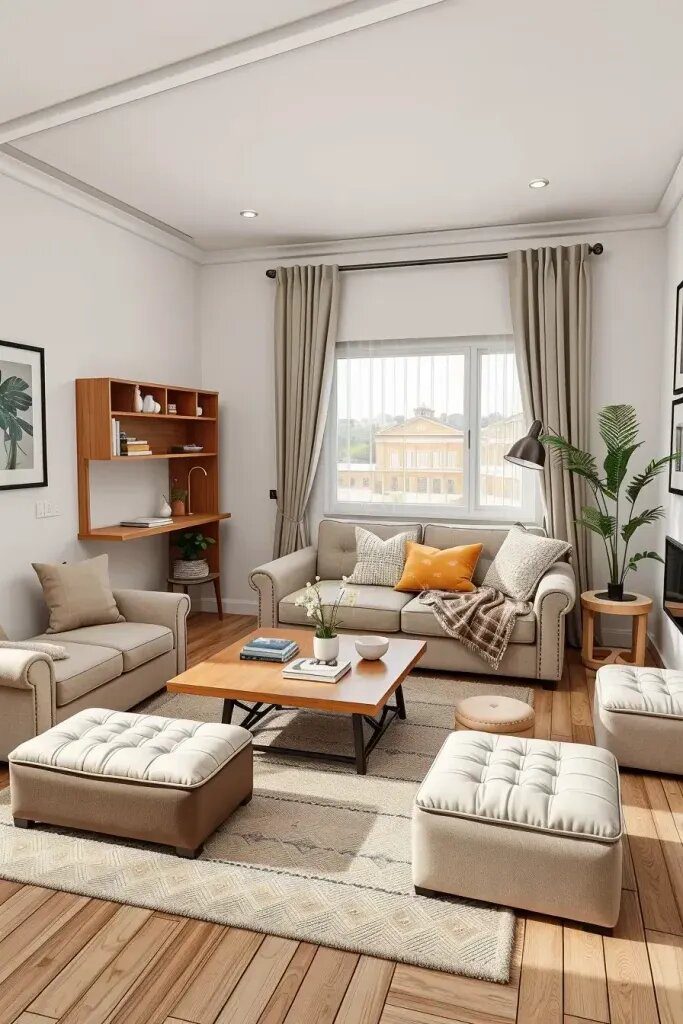
Hey there! When you’re dealing with limited space, it’s really key to make sure every item in your living room is essential. That’s why I recommend opting for furniture that can serve more than one purpose. Not only will this help you stay organized, but it’ll also add some flair to your room!
 Save
Save
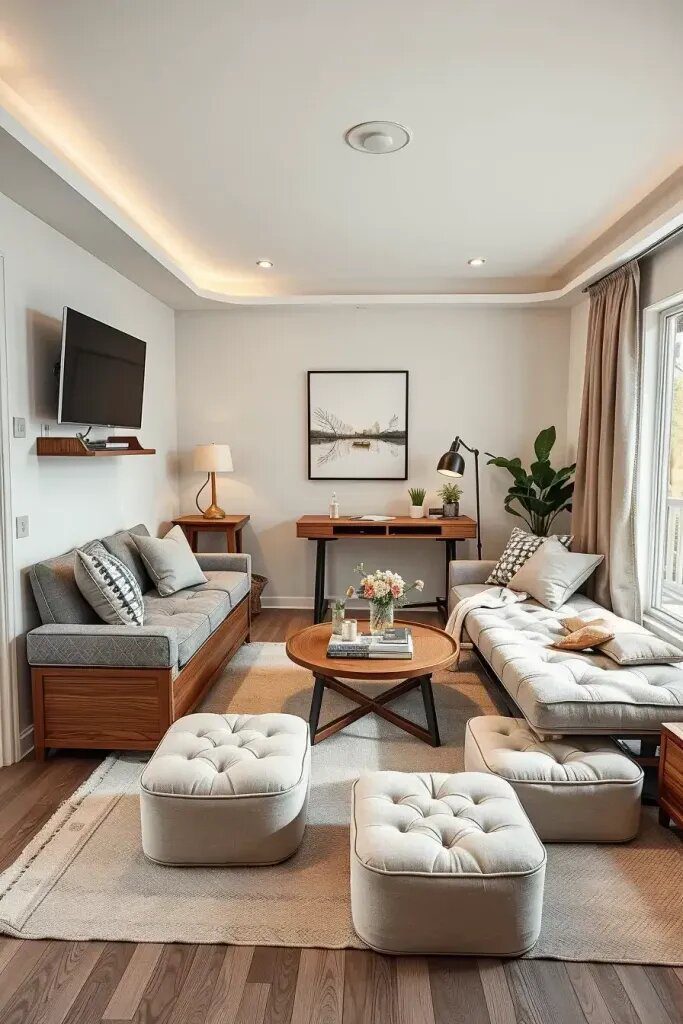
In many of the projects I work on, I like to add little surprises like ottomans that open up to stash things away, coffee tables that double as work desks, and sofas with handy USB ports and side table attachments. If my clients are big on hosting guests, I might suggest a sleeper loveseat or a bench that can store shoes. Sometimes I’ll even install a wall desk that folds down to save space, and opt for nesting tables that can be easily moved around for extra versatility throughout the day. Just little ways to make life easier and more convenient!
 Save
Save
I absolutely loved this coffee table I had that could lift up to store stuff and also become a little workspace for quick tasks. Apartment Therapy always suggests to “pick furniture that can adapt to your day” – which is exactly what I always tell my clients too. Being able to multitask effectively is key!
Hey, have you ever thought about how cool it would be to have a sofa that you can customize and rearrange whenever you want? I mean, imagine being able to change up the layout of your living room without any hassle. You could totally personalize it to fit your space perfectly. How awesome would that be?
How To Make A Tight Room Feel Open
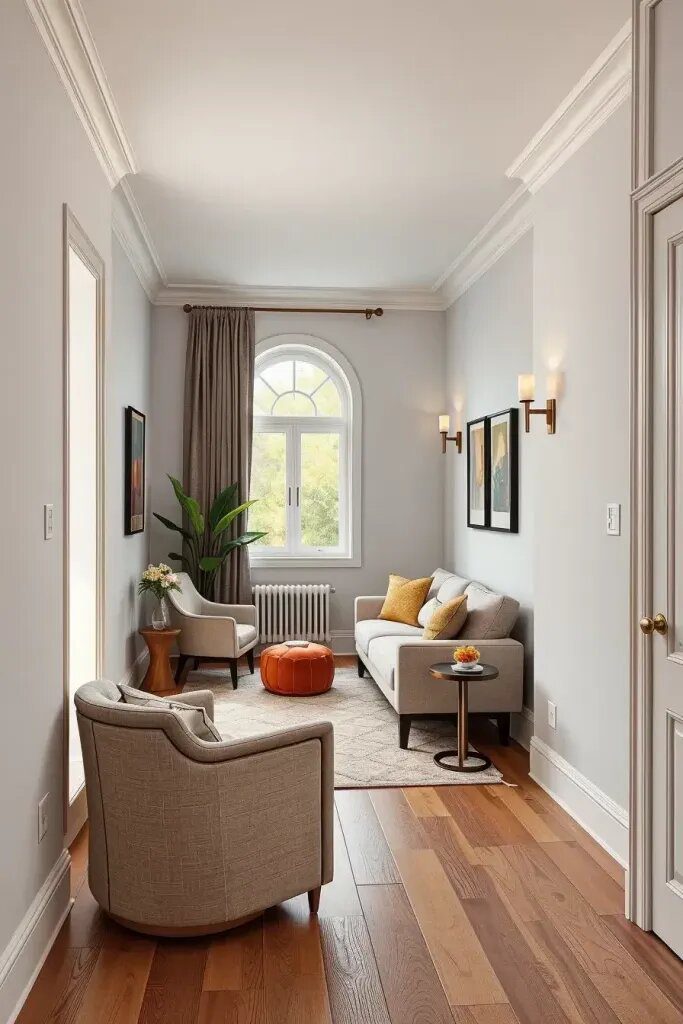
Dealing with tiny spaces can seem tough, but with the right layout, they can become cozy and stylish. When designing a small, narrow living room, my goal is to make sure there’s plenty of room to move around and to choose furniture that won’t overpower the space. I want people to feel comfortable and free to move about in the room.
 Save
Save
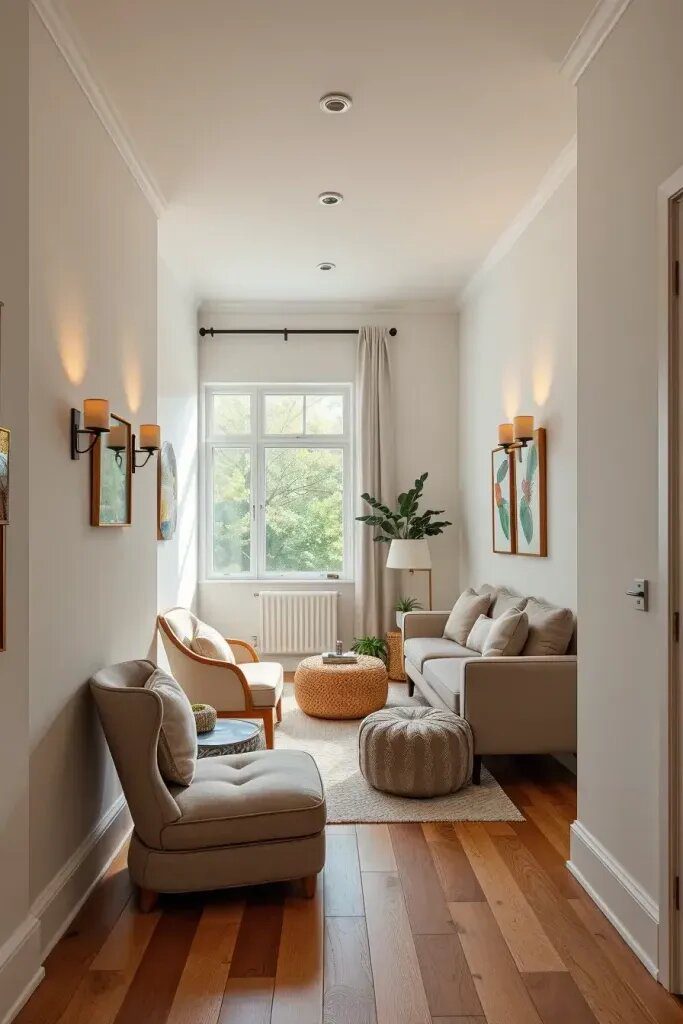
I like to shake things up in the room by placing a small armchair at a cool angle next to the narrow sofa along the longest wall. Adding a bench or pouf by the window not only gives you a cozy spot to sit but also breaks up the room visually. And to avoid that cramped feeling, I like to hang vertical artwork and wall sconces to keep the space feeling open and inviting. It really makes a difference!
 Save
Save
I personally love putting console tables behind sofas in smaller living rooms. It really helps to open up the space and gives you a handy spot to put stuff on. According to the guide from Real Simple, using glass or acrylic tables can also help keep the room feeling more open. I’ve definitely found that to be true in my own home!
To expand on this idea, it’s great to have a sliding or pocket door connecting to any adjoining room. It’ll save space and make the area more versatile for different activities.
1. Add Tall Storage Units To Maximize Space
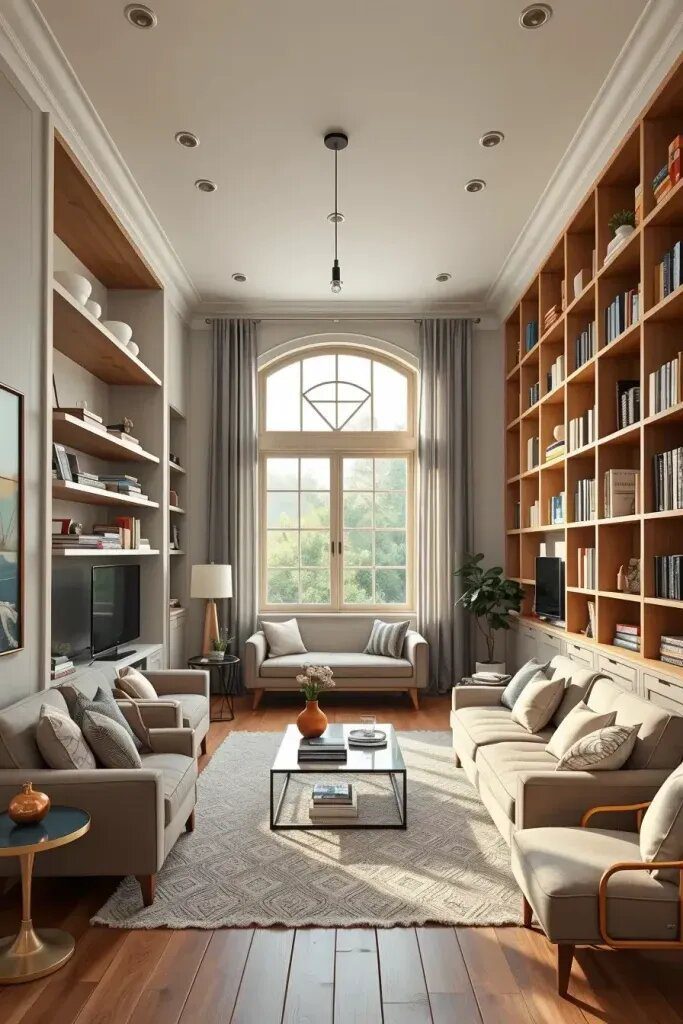
Hey there! A great trick to spruce up a small living room is to think about what you can do with the space above you. By moving things vertically, you can free up some floor space and give your room a cool vibe. Personally, I like to install floor-to-ceiling bookshelves, tall cabinets, or ladder shelving to maximize the use of the walls in the room. It really helps to keep things organized and looking stylish!
 Save
Save
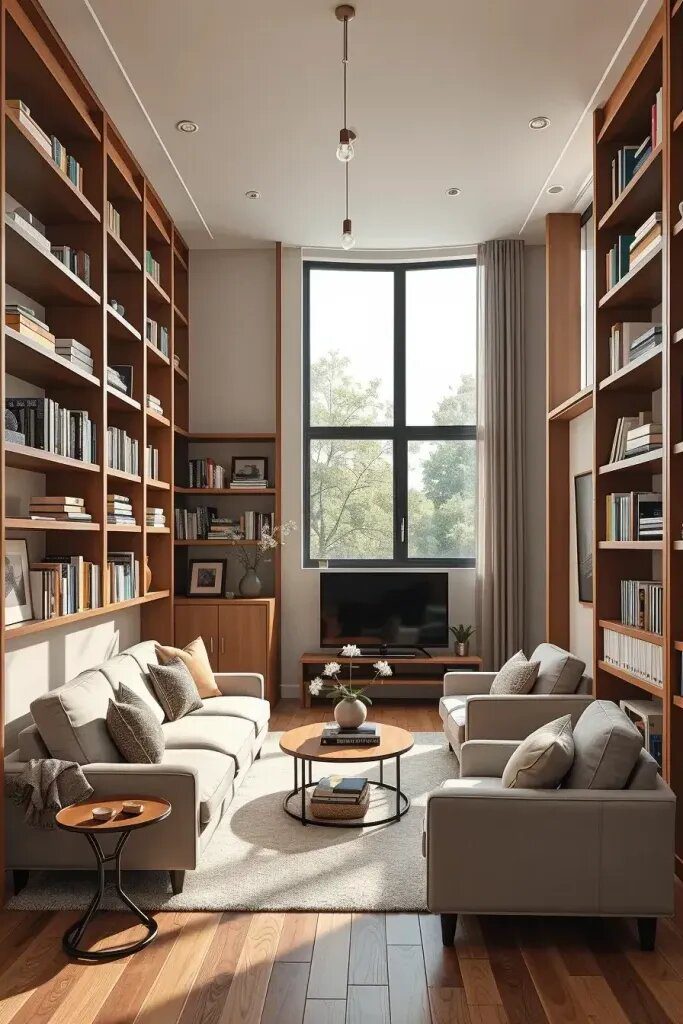
So, for this one project I did, I ended up placing a tall cabinet by each window and popped the loveseat right in the middle. Now, the kitchen is making the most out of its space with lots of closed and open storage options. And a little tip – adding shelves above eye level is perfect for showcasing artwork or books, plus it won’t get in the way of getting stuff done in the room. Pretty cool, right?
 Save
Save
Having high ceilings in your apartment is great because you can take advantage of taller storage options. I read on The Spruce that using vertical storage not only makes the room look bigger but also lets you store twice as much stuff – and I can definitely vouch for that! Whenever I work with clients, they always appreciate having display areas that don’t make the place feel cramped when they’re walking around. It really makes a difference!
Finally, I’d add a cute little side table by pulling out a section from the shelves. It’d be perfect for using as a desk or for extra space to put things while you’re working.
Built-In Seating Ideas For Small Rooms
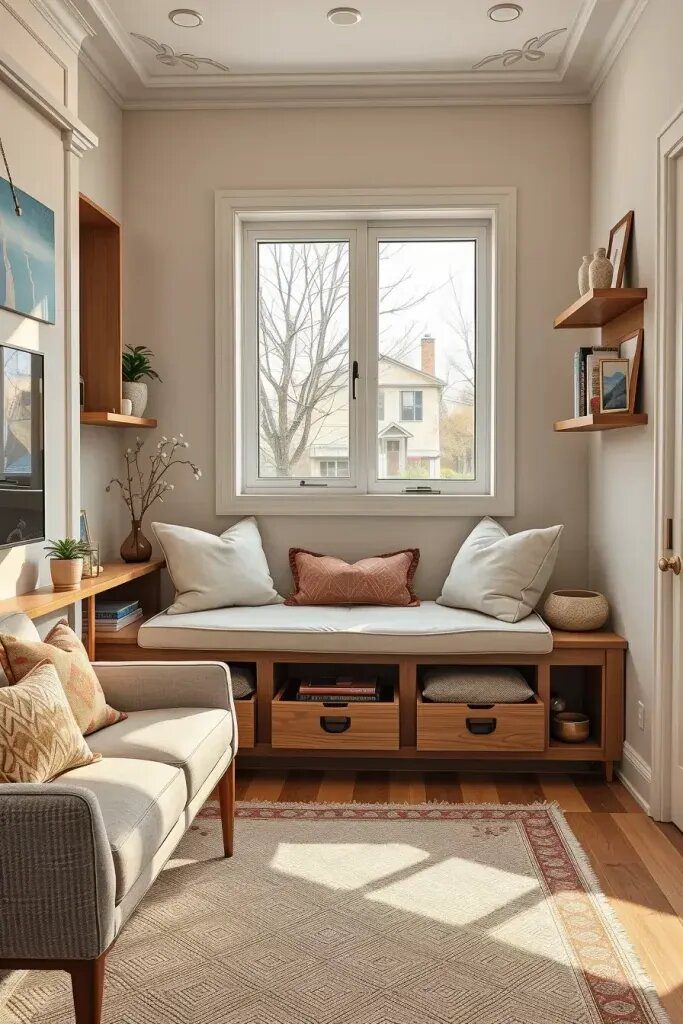
If you have a cozy nook or a small space for seating, built-ins are a great idea! They can be customized to fit your space perfectly, like a window bench or a banquette that spans the whole wall. Built-ins help save space by getting rid of bulky furniture and make the most of every inch. If you have alcoves, bay windows, or any awkward corners in the room, built-ins could be the ideal solution for you. They add character and functionality to your space!
 Save
Save
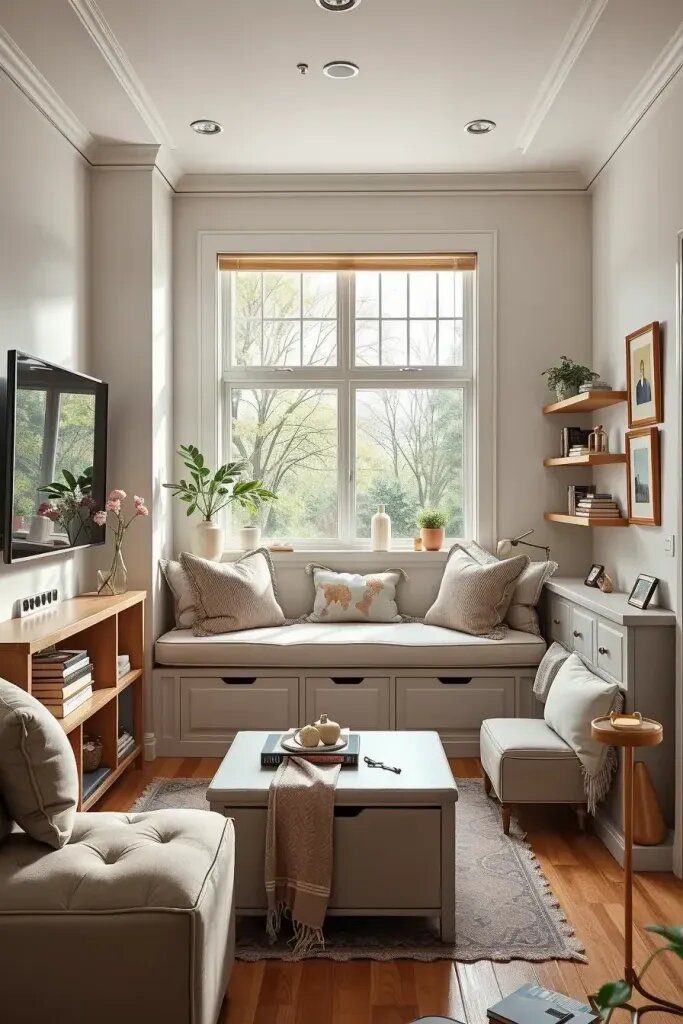
I love designing built-ins that are not only functional but also cozy and welcoming. My sofas come with drawers under the seat and lift-up lids for extra storage. I always add a cushion on top and layer pillows to make it super comfy. And for the back wall, I create a unit that maximizes the space with seating, shelves, and a TV cabinet that all fit together seamlessly. It’s all about creating a space that feels just right for you.
 Save
Save
Clients really seem to love this idea because it’s personalized and looks great. I’ve noticed that built-ins have become a big trend in modern homes lately, especially in small spaces. They even show up in Better Homes & Gardens! Adding built-ins can really elevate the value of a home by giving it a unique and custom touch.
I think it would be even better if we add some under-lighting and USB charging stations to the built-in units. What do you think?
Simple Tricks To Make A Room Look Bigger
I love using visual tricks to create the illusion of more space in cozy rooms. It’s amazing how a small living room can look fabulous with just a few changes like adding mirrors, light shades, and rearranging furniture. One of my favorite tricks is installing a mirrored wall panel – it really opens up the space and brings in more light instantly.
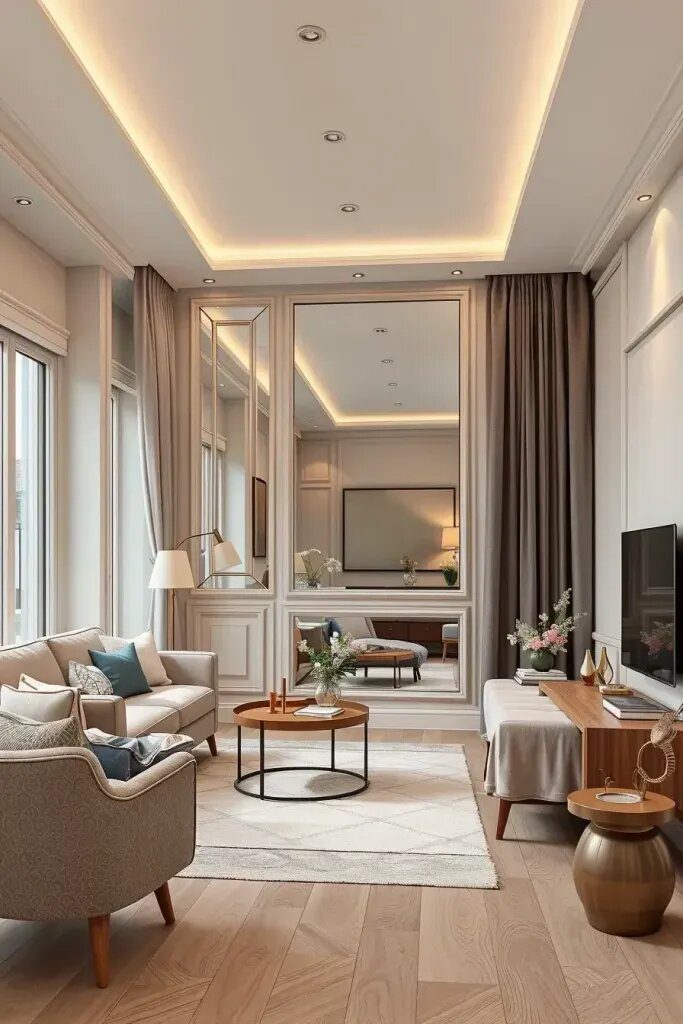 Save
Save
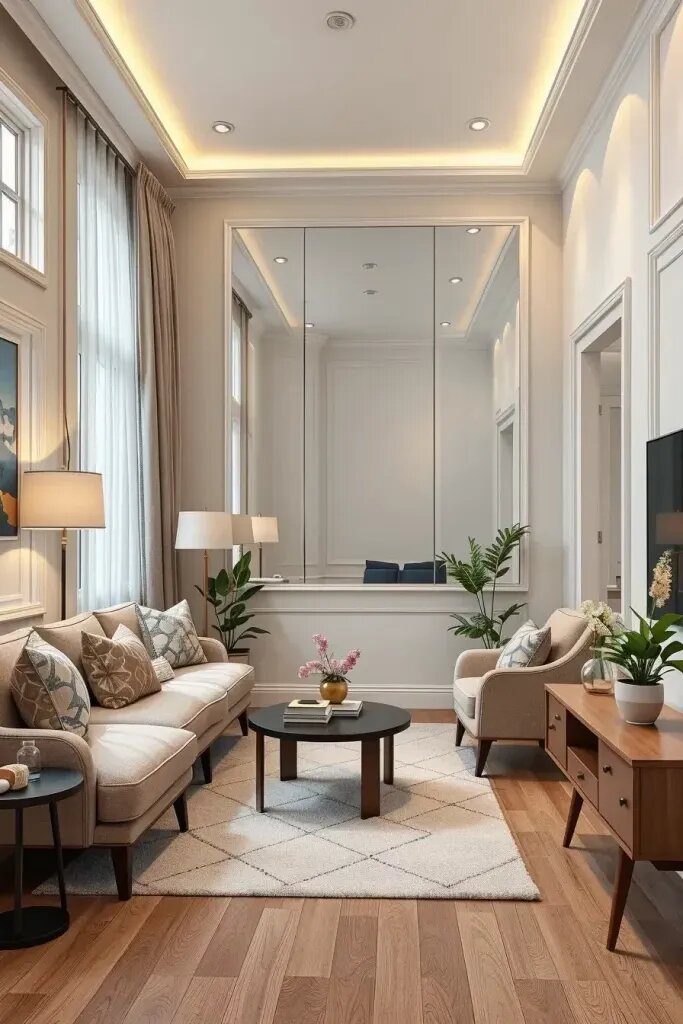
You know, it’s a good idea to choose furniture with open bases and legs so that air can flow around your floor. And if you stick with one light color for the whole room, it’ll really open up the space. Oh, and don’t forget to deck out those windows from floor to ceiling – it’ll make your walls look taller and give the room a more elegant vibe. Pretty cool, right?
 Save
Save
I recently spruced up my place with a mirrored console, some white walls, and comfy gray seat cushions. It really opened up the space and made it feel bigger. I read in House Beautiful that it’s a good idea to match the trim color with the walls to keep the design flowing smoothly, and I’ve been following that advice a lot lately.
I was thinking it might be cool to add some LED strips behind the crown molding. It could really make the room look a lot bigger with that floating ceiling, don’t you think?
Minimalist Layouts For More Breathing Room
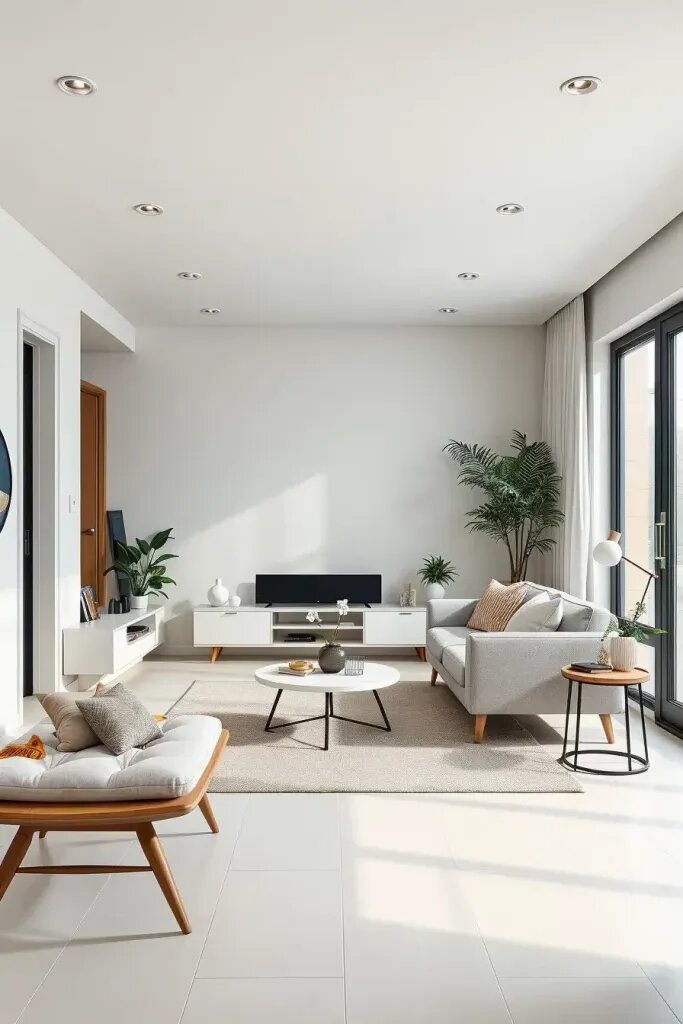
When you’re working with a small living space, keeping things simple is usually the way to go. By sticking to the essentials and incorporating a subtle design, you can create a cozy and airy feel. I like to start off with a cozy loveseat and then toss in a couple of matching decorations to tie it all together.
 Save
Save
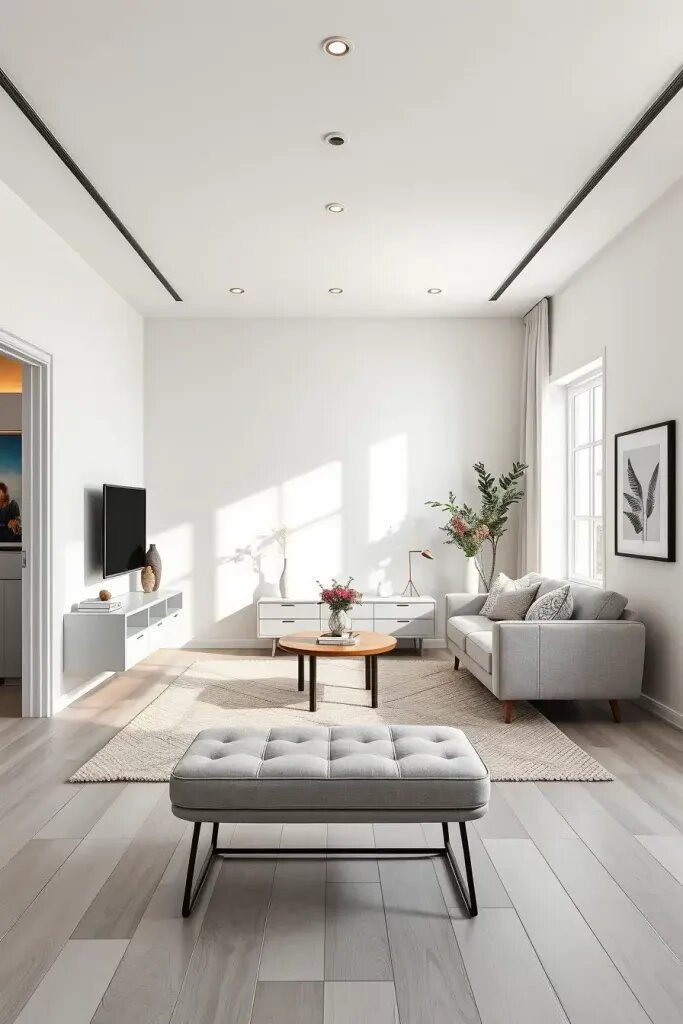
I like to pick out furniture that’s simple and practical. It’s great when you can hang media units and have some secret storage space. Furniture that can serve multiple functions, like a bench that can also be used as a table or extra seating, is a clever way to save space. I also prefer using calming colors and keeping the design open to create a cozy and chill atmosphere at home.
 Save
Save
In my experience, I’ve found that having fewer pieces can make it easier for clients because they don’t have to make as many decisions. The experts at Dwell also recommend getting rid of items that aren’t beautiful or helpful, which aligns with my own design philosophy.
I would then add some modular shelving that can adapt to whatever I need, so I can keep everything organized and easily accessible.
Centering A Small Living Room Around TV And Fireplace
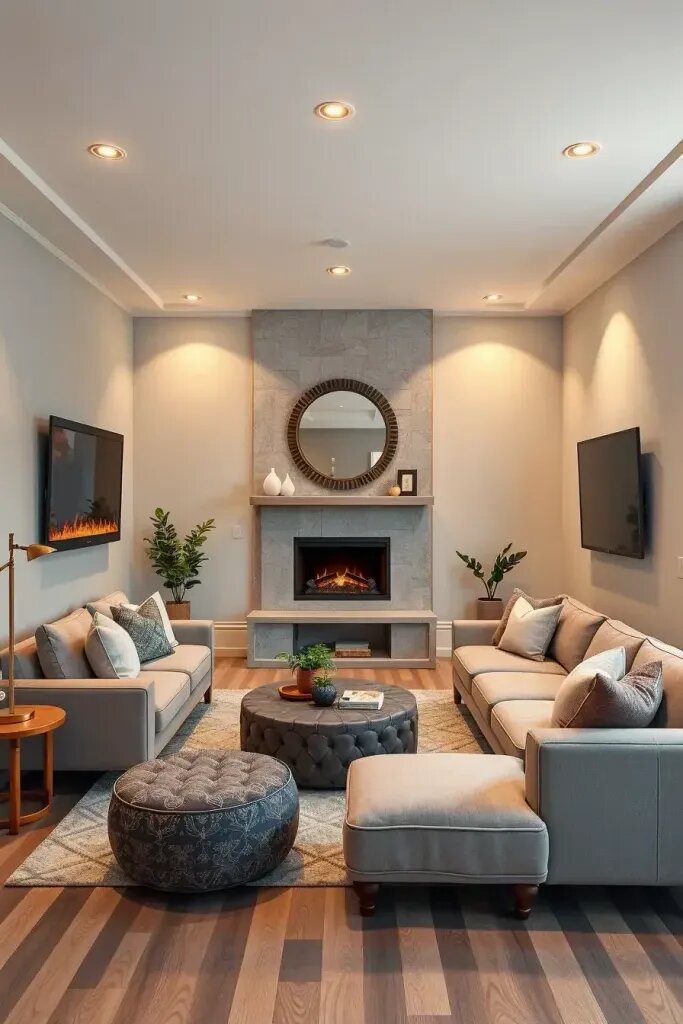
Trying to figure out how to set up a cozy living room with a TV and fireplace in sight can definitely be a challenge! I’ve seen a lot of houses where folks want a mix of traditional and modern furniture without it feeling too crowded. The key is to make sure you can enjoy both the TV and fireplace from any spot in the room. One trick is to use an L-shaped layout or sofas to divide the space into different areas. Mounting the TV on the wall is a great way to save floor space, and electric fireplaces are a nice alternative since they’re not as bulky as regular ones.
 Save
Save
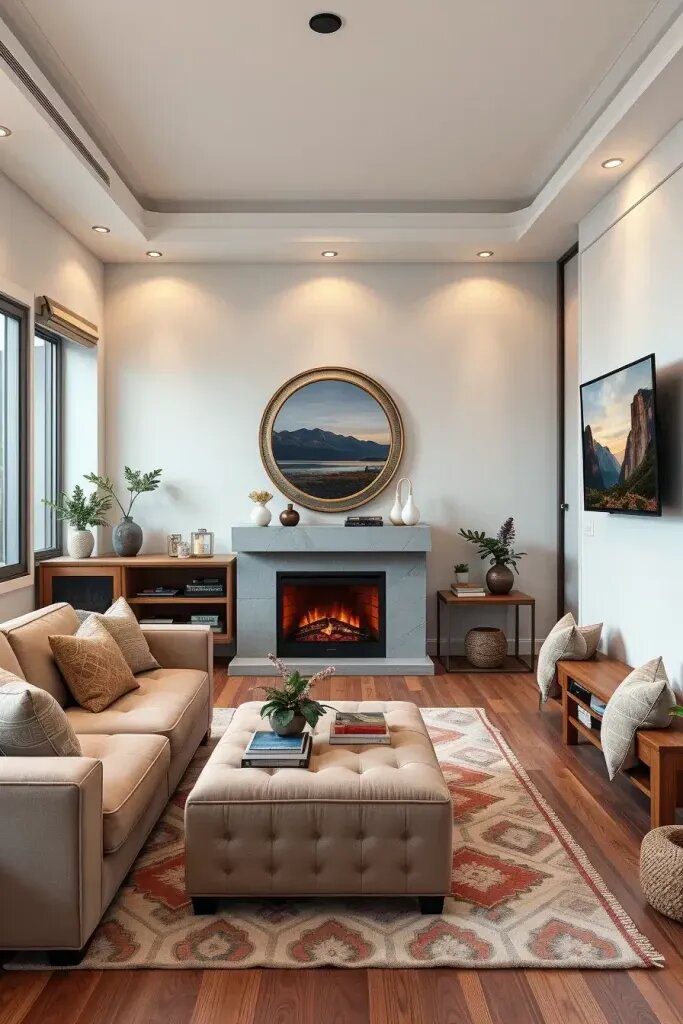
Whenever I come across a layout like this, I like to keep things simple with a corner sectional and throw in an ottoman to make the space feel more open. It’s always handy to have storage and tech gadgets close to the TV, so I usually place a small media unit underneath it. To soften the look around the fireplace, I like to hang a mirror or some artwork on the wall above it. And for a cozy and open feel, I stick to using neutral colors in smaller areas.
 Save
Save
You know, I’ve found that mixing sconces with overhead lights really brings a lot to the table when it comes to room design. I read this article where Nate Berkus told Architectural Digest that creating symmetry and using cozy fabrics can make a space not only practical but also classy, and I couldn’t agree more. And let me tell you, when you position armchairs at a diagonal angle across from the fireplace and TV, it creates this really cool triangle shape that works wonders in the room.
I was thinking we could add a cool narrow shelf on the back wall to maximize the space and jazz up the living room. And hey, what do you think about adding some smart home stuff to control the fireplace and TV from afar? It’s so convenient and modern!
Best Layouts For Small Square Living Rooms
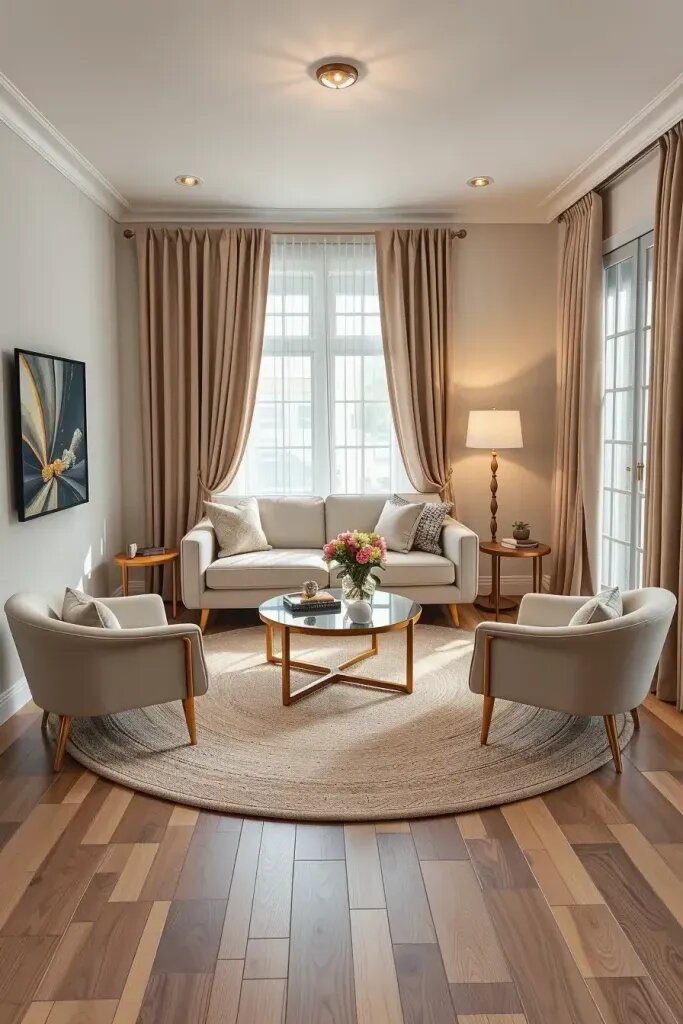
So, trying to figure out how to set up furniture in a square living room can be a bit tricky because it’s usually pretty cramped and centered. What I’ve found works well is breaking up the space with a rug and using two chairs along with a love seat instead of a big sofa. It really helps blend everything together and make the room feel more cozy and inviting.
 Save
Save
I usually like to start by putting a cozy rug in the center and then setting up the seating and tables around it. A small, sleek sofa with legs that lift off the ground can make the area feel more spacious. And if your accent chair has arms that don’t stick out too much, you’ll have a clearer view of the room. Try placing a coffee table on top of the rug and adding a tall floor lamp or a houseplant on one side to add some softness to the room and avoid sharp corners.
You know what I recently discovered? Adding a modular corner bench with storage really elevated my space. I read in House Beautiful that square rooms can benefit from some “unexpected angles,” like using round rugs or placing a coffee table diagonally. It’s amazing how small changes like these can make such a big difference, right?
I think adding some wall storage would really help maximize your space instead of using up valuable floor space with shelves. You could also consider hanging some tall curtains to make the room look even bigger and more spacious.
How To Zone Small Living Areas In Open Floor Plans
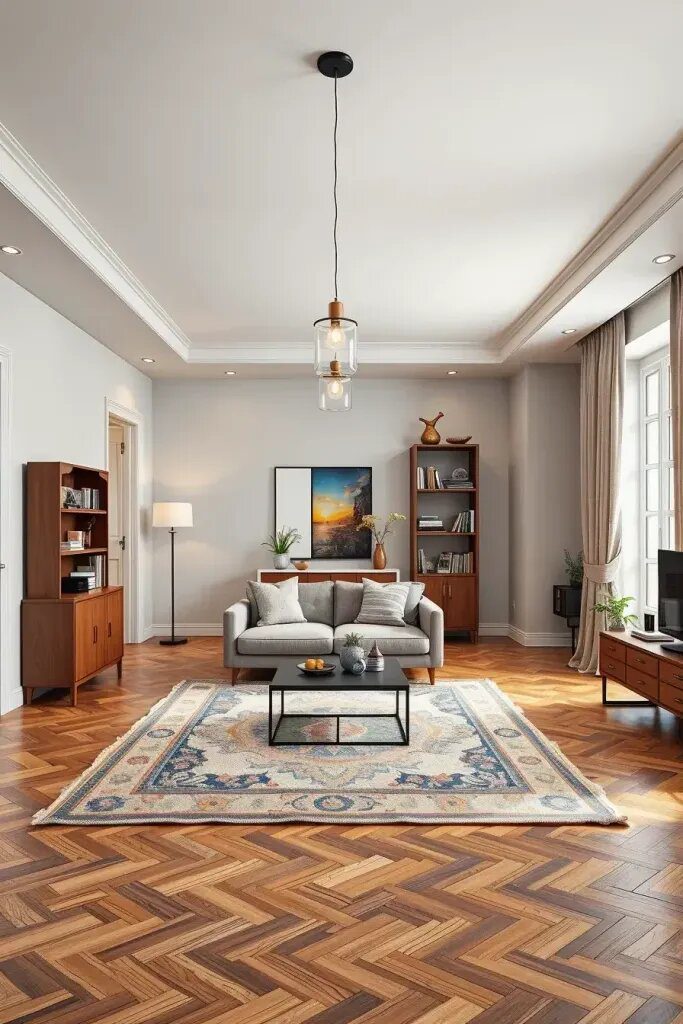
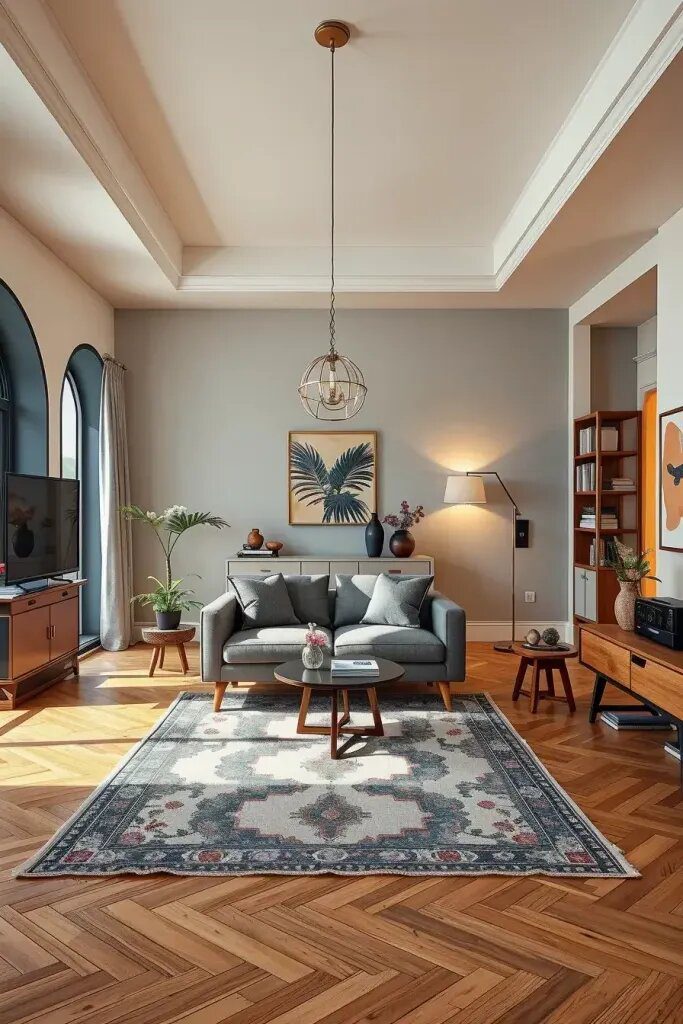
When I’m designing open-plan apartments, one of the things I always think about is how to separate the living room from the kitchen and dining area. It’s tricky to make sure they don’t all blend together. I find that using rugs, different lighting, and low furniture for each space can help create some visual separation while still keeping the whole place feeling connected. It’s also important to place the living room area near windows or other natural light sources to make it feel cozy and inviting.
 Save
Save
How about placing a backless couch or a console table behind your loveseat to create separate areas? It can really help define the space. Also, have you thought about adding a gorgeous pendant light or chandelier above your relaxation spot? It can make the area feel like its own cozy little room. And if you want to define a space without actual walls, modular bookcases could be the way to go. Just some ideas to spruce up your home!
 Save
Save
I personally believe that when the kitchen, dining room, and living room all have their own matching color schemes, zoning is the way to go. According to Elle Decor, you can effectively break up a large space by incorporating different textures and choosing the perfect rugs.
You know what would really take the design up a notch? Maybe adding a portable folding screen or some sort of adjustable fabric panel. And how cool would it be to have seating in the corners with built-in lighting? It would totally make the space more functional and cozy.
Boosting Natural Light And Airflow In Small Rooms
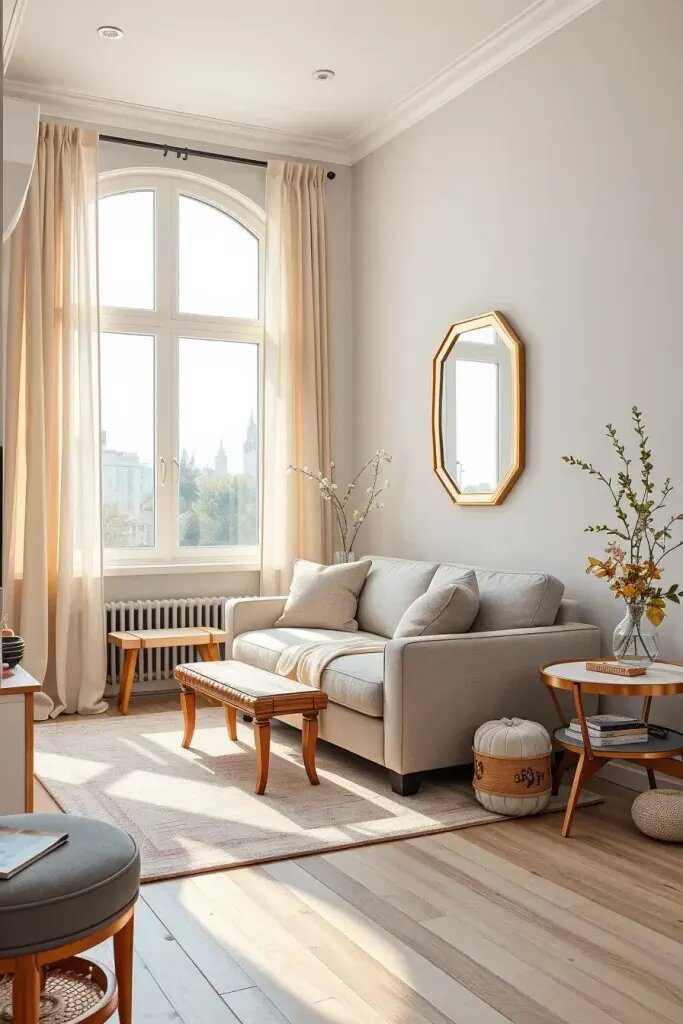
You know, natural light is such a game-changer when it comes to designing small living rooms. It’s like a breath of fresh air, especially when space is tight. I always tell my clients that the placement of windows can make all the difference in opening up a room. I recommend arranging the furniture so that it doesn’t block the sunlight – having a sofa facing or next to the window can really make the room feel lighter and more spacious. Don’t you think?
 Save
Save
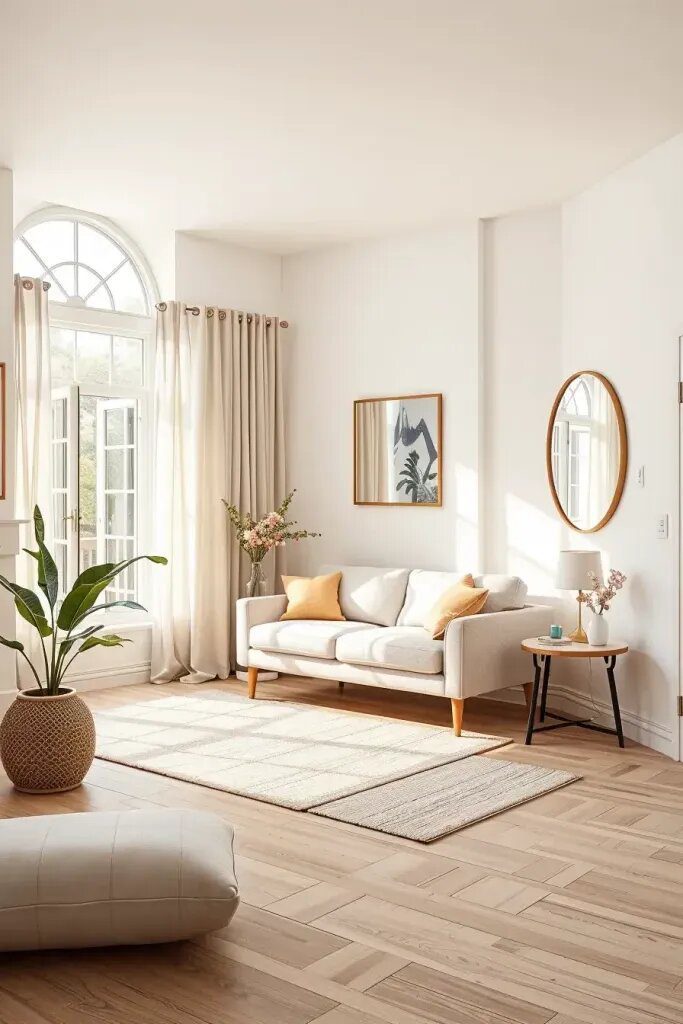
I find it’s a good idea to keep the window area clear of furniture. Sometimes I like to put little shelves without arms right under the window so the view outside isn’t blocked. Light and sheer curtains work well in small rooms, instead of heavy blackout drapes. And having mirrors near the windows really helps too – it makes the room feel more open and doubles the natural light.
 Save
Save
I recently helped a family rearrange their living room by switching the sofa and armchair around, which really opened up the space and made it much more pleasant to relax by the big window. It was a small change but it made a huge difference for them. According to the folks at Better Homes & Gardens, utilizing windows in your home layout can totally transform the way you see and feel about a room.
I was thinking, maybe we could add a cozy window seat or bench to make better use of that space by the window. With some comfy cushions and a little side table, it could turn into a perfect reading nook and really boost the room’s functionality. What do you think?
1. Cozy Setups Built For Conversation
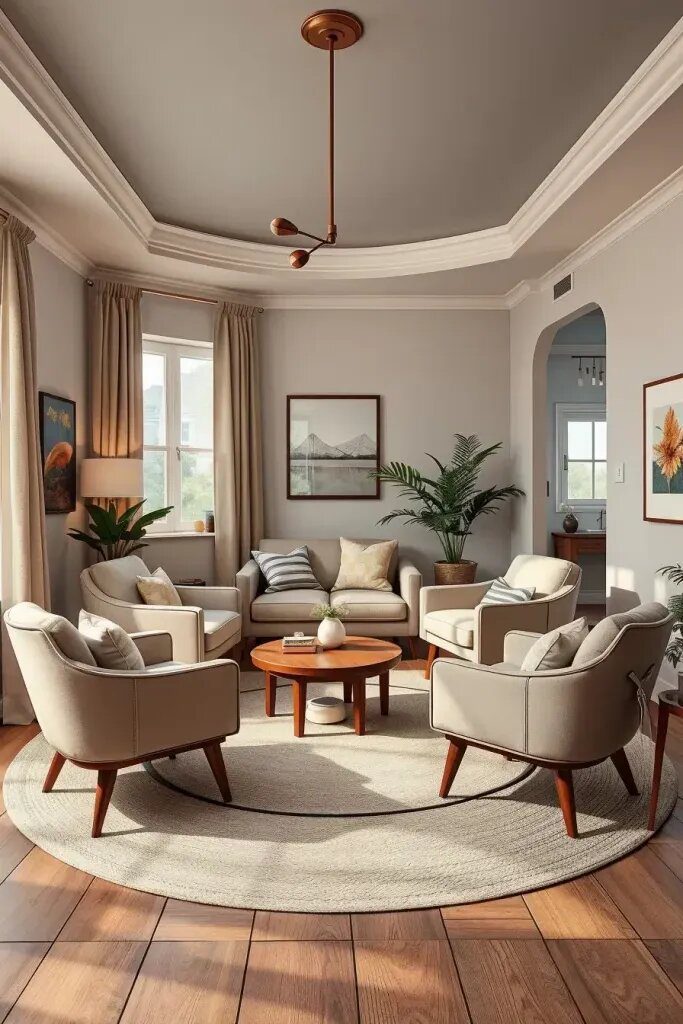
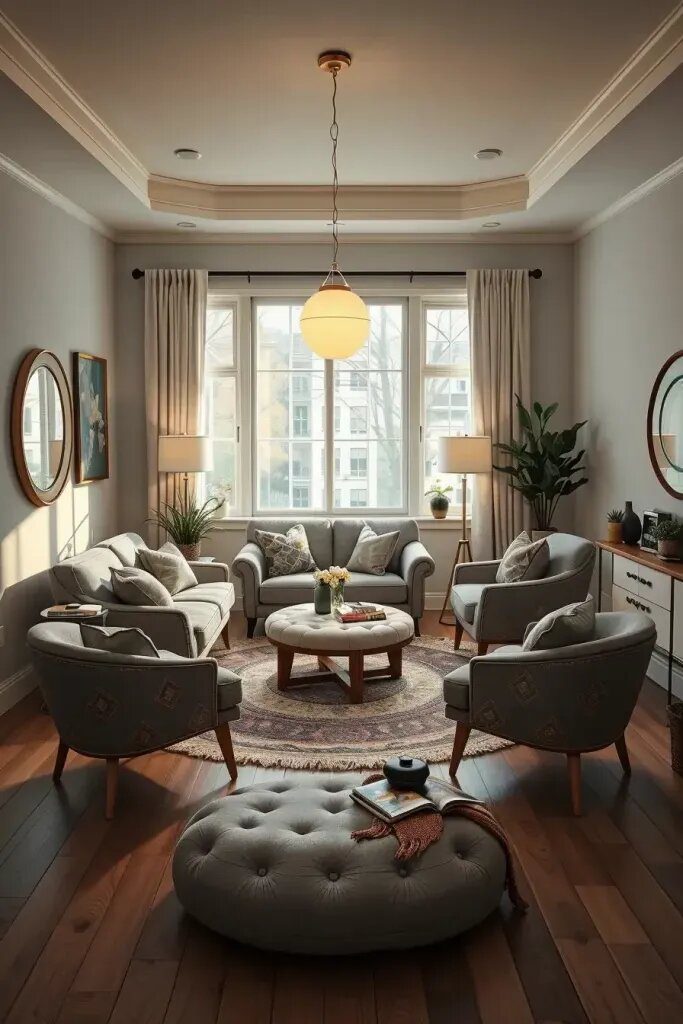
If you want to create a cozy and inviting living room where people can chat and connect, try arranging your seating in a way that promotes conversation instead of just staring at the TV. A little setup tip is to form a circle by placing a small sofa and a couple of comfy armchairs facing each other, with a soft ottoman or round coffee table in the middle. This layout allows everyone to feel closer and encourages more interaction among your guests.
 Save
Save
When setting up a room, it’s important to make sure everything flows together seamlessly. I usually go for armless or slipper chairs to keep the look consistent with matching fabrics. A rug not only defines the seating area but also ties the whole room together. And don’t forget, placing your furniture in the center of the room can actually make it appear larger instead of pushing everything against the walls.
 Save
Save
You know, I’ve noticed that when families really take the time to chat and connect, the living room always ends up being the heart of the home. I recently read in Dwell magazine that the most inviting rooms are the ones that bring people together, and that’s exactly what we were going for when we designed this space. We decided to add some floor lamps and even a chandelier above where everyone usually sits, and it really makes a difference in creating that cozy, welcoming atmosphere.
I think it would be really nice to add some shelves on the wall next to your books and plants. It would make the space feel more cozy and personal. And hey, why not throw in a central pouf or some nesting tables for when friends or family drop by? It could really make the room feel inviting and homey. Just a little idea to make your space even more special!
1. Planning Smart Traffic Flow In Small Living Rooms
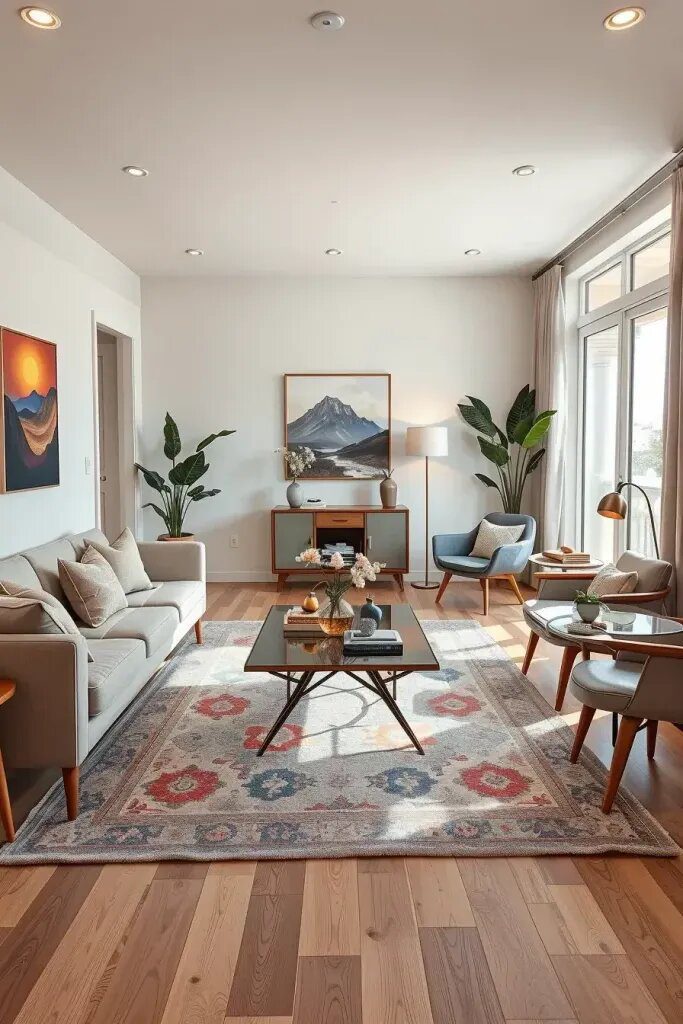
It’s super important to be able to move around easily in a small living room. I’ve noticed that when furniture is all jumbled up, it can really mess with how usable the room feels. To make it easier to get around, I like to keep the entryway free of anything that could be a trip hazard. You might want to consider opting for a smaller sofa or some no-frame furniture to give your room a more spacious vibe.
 Save
Save
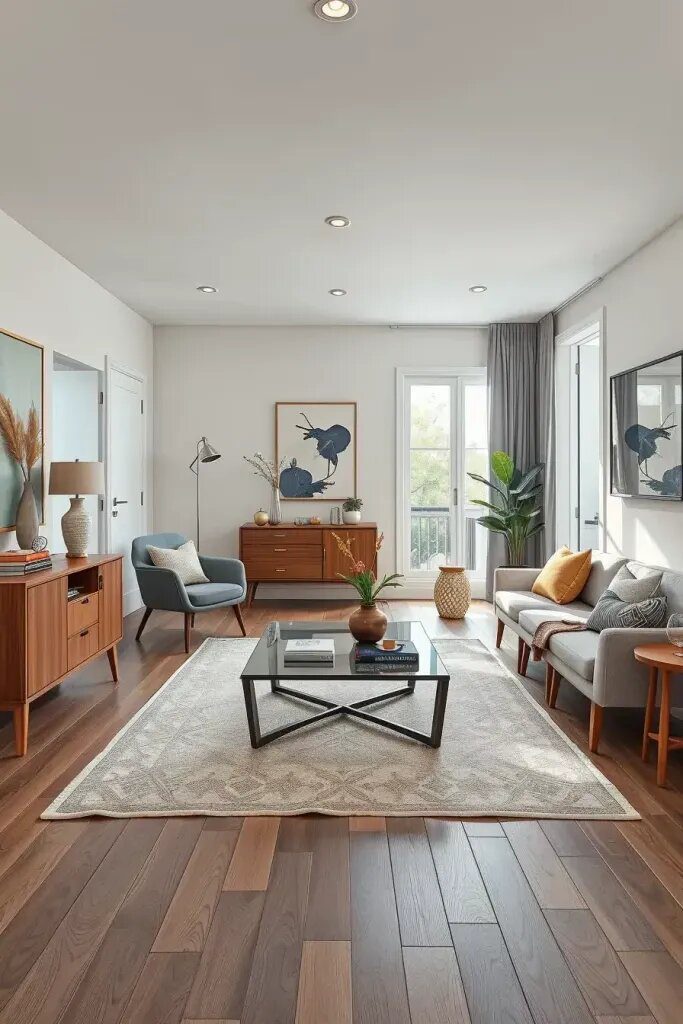
I love the vibe that open-frame seating, side-less coffee tables, and wall consoles bring to a room. I always make sure to place my cozy chairs in the corners rather than blocking the walkways. And don’t forget, a rug near the doorway and window can help guide the flow of foot traffic through the space. Just some little tricks to make your space feel cozy and inviting!
 Save
Save
I’ve discovered that having a walkway that’s 24 to 36 inches around any seating area really makes a difference in my projects. I read on HGTV that keeping clear paths helps everything flow better and prevents that cramped feeling a lot of small spaces can have.
For even better lighting, try mounting your lights on the ceiling or walls instead of having lamps that can be a tripping hazard. You can also use an open-backed bookshelf to keep things organized and define different areas in the room.
Family-Friendly Layouts For Small Living Rooms
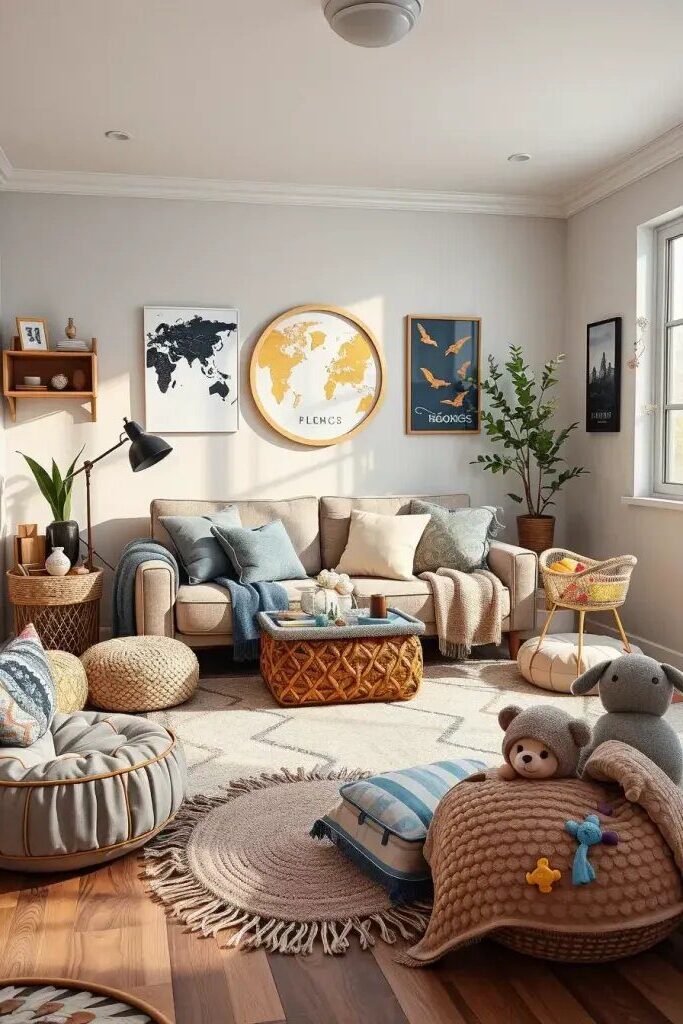
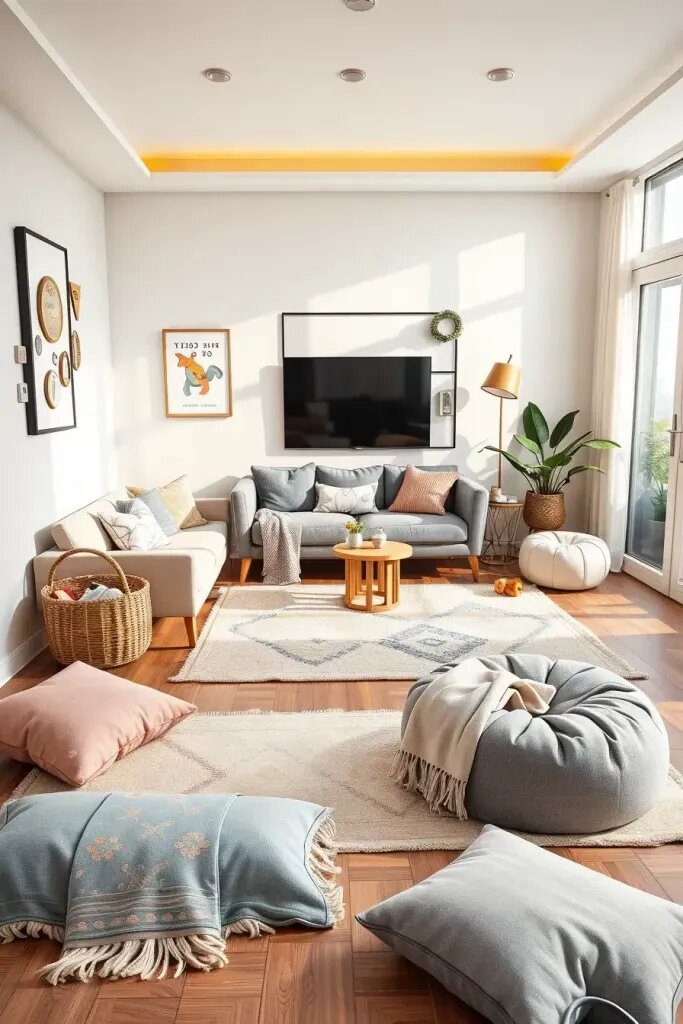
When you’re setting up a cozy living room for little ones, it’s important to think about safety, storage, and making it look nice. I like to choose soft rounded ottomans, low poufs, and fluffy area rugs to make the room comfy and inviting. Having a clear open space in the middle for kids to play is key, and storage benches and coffee tables with hidden compartments are great for keeping things tidy and organized. Just little touches like that can make a big difference in a kid-friendly living room!
 Save
Save
Hey there! If you’ve got a family, I definitely recommend going for sofas with slip-on and off upholstery. It makes cleaning up those spills a breeze! Also, consider adding some soft storage baskets in the corners and some wall shelves higher up to keep things out of reach from the little ones. And how about creating a cozy reading nook with a cushion and lamp? It’s not only inviting but also great for your child’s development. And when it comes to furniture, think about pieces that are mobile and easy to move around. Kids love things that slide, roll, or lift effortlessly!
 Save
Save
You know, after years of juggling kids and interior design, I’ve learned that finding a good balance between work and home life is totally possible. That’s why I always suggest going for modular furniture – it’s so versatile and can easily adapt as your kids get older, just like Apartment Therapy suggests. It really does make life easier by keeping your living room functional without constantly having to make major changes.
I think it would be really cool to make the layout more fun and engaging by adding something interactive like a wall that people can write on or maybe some moving art. And don’t forget to include some soft textures in your play area to help prevent any injuries while people are playing. Just a little tip to keep things safe and enjoyable for everyone!
Small Layouts Built For Entertaining Guests
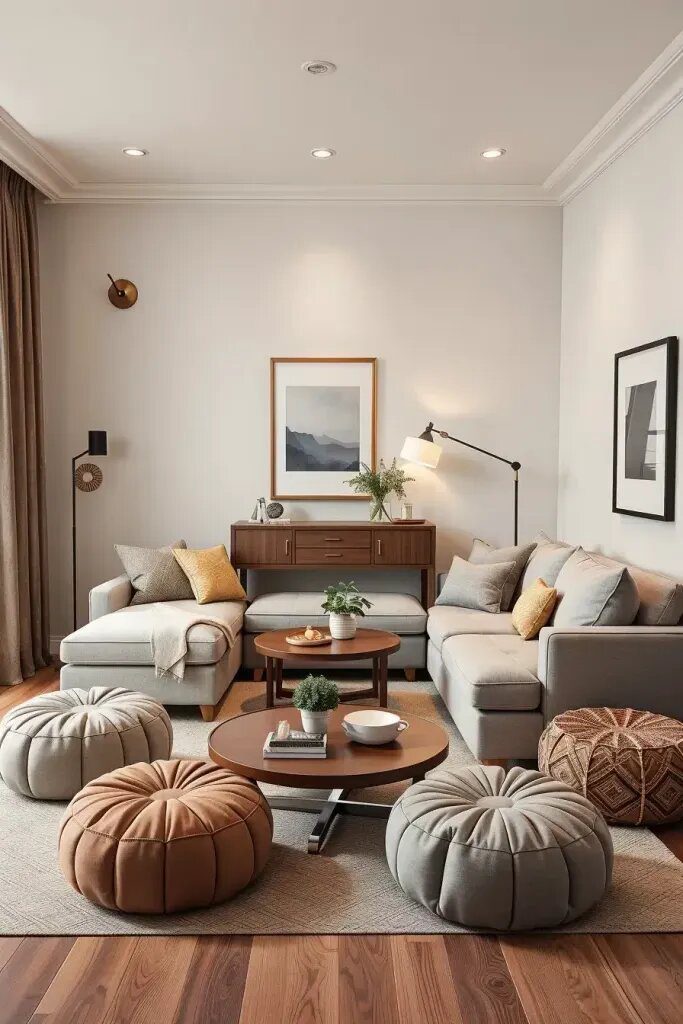
I love creating cozy living rooms that are perfect for hosting guests. One common misconception is thinking that living in a small space means you can’t have people over. That’s simply not true! With the right layout, even a tiny living room can be great for game nights or hanging out with friends. My favorite design includes a main sofa angled towards a central table, with extra seating like nesting stools or movable armchairs nearby. This way, you can easily adapt the space for any social gathering.
 Save
Save
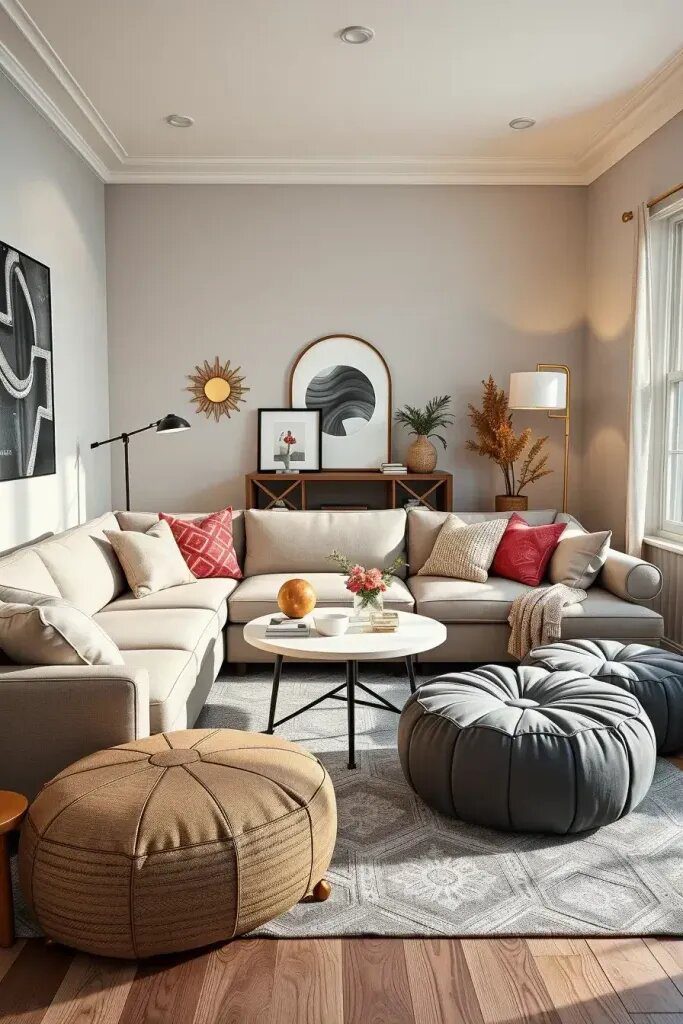
Usually, I like to set up a comfy sectional or loveseat in my living room, along with a nice coffee table that I can easily move around. I also like to have poufs that can be used as either footrests or extra seating for guests. I have a flat-screen TV mounted on the wall, but sometimes I prefer a slim version behind the sofa to create a buffet setup. I like to keep the room clutter-free and cozy, so I have wall-mounted lighting for a warm atmosphere. And I always make sure to have foldable or nesting tables on hand in case we need more space for activities.
 Save
Save
You know what I’ve realized? It’s always nice to have a variety of seating options to keep guests engaged. I recently saw ottomans being used for both sitting and storing things, which was a tip I got from Real Simple, and it really works well in cozy spaces. Also, good lighting can totally change the vibe, so having some sconces and dimmable lights can help set the mood just right.
Having a bench you can fold up or a drop-leaf table that leans against the wall is always handy when friends or family come over. And don’t forget about the convenience of a small rolling bar cart – it’s a great buy that won’t clutter up your space!
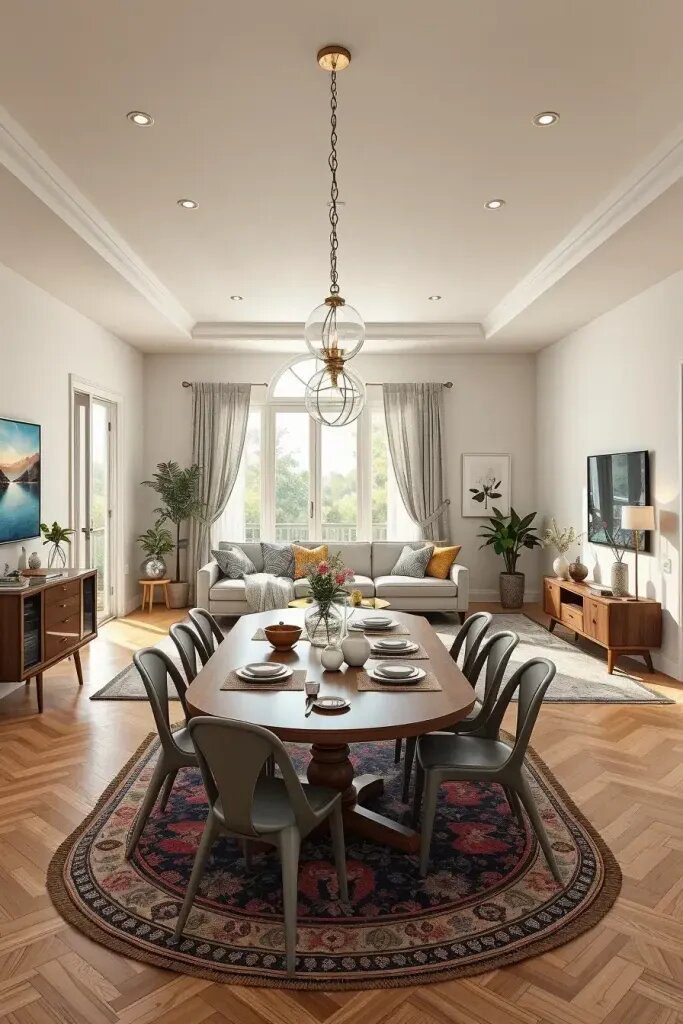
Fresh Layout Ideas For Living And Dining Combos
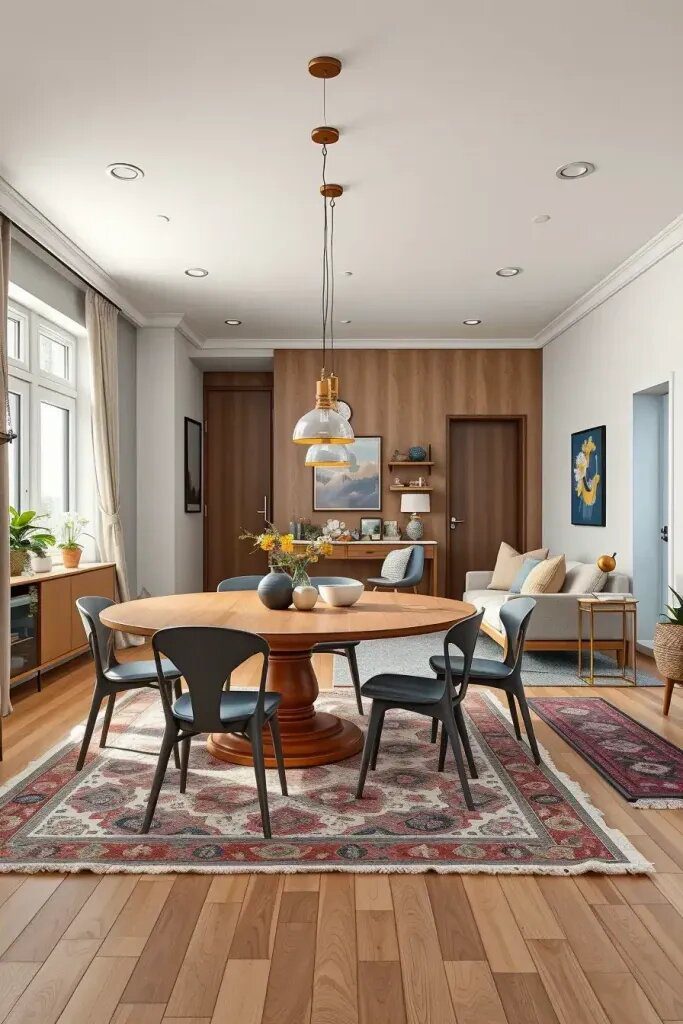
I’ve connected the living and dining rooms in so many apartments, it’s like second nature to me. I like to think of each area as its own space, but still part of the overall flow. I always try to position the living room where it gets the best natural light, and I make sure the dining room flows nicely into the kitchen. And if you want to create a separate office space away from the bedroom, you can use rugs or a sofa to define the area. It’s all about creating a cozy and functional layout that works for you.
 Save
Save
When I’m setting up a living and dining area, I like to position a cozy loveseat or a small sectional facing away from the dining spot. For the dining area, I usually opt for a compact table, like a round or oval one, paired with sleek chairs. I always make sure there’s plenty of space to move around between the two zones, so I stick to furniture pieces with simple designs and short heights. It also helps to coordinate the colors and materials throughout the room, like matching wood and linen, to create a cohesive look.
 Save
Save
You know, I always notice that clients seem to really like it when their home layout allows them to do more than one thing at a time. Like being able to watch TV while someone’s cooking dinner, or having a chat with someone who’s in a different part of the room. It just feels more welcoming and functional that way. Oh, and I read in Better Homes & Gardens that using different lighting fixtures can really help separate your rooms. For example, having pendant lights above the dining table and a chandelier in the middle of the room can totally change the vibe. It’s amazing how much of a difference it can make!
Hey, I was thinking we could add a rolling sideboard or a dining bench to the classroom. These options can easily fit in various spots and provide different seating choices for students. I believe having a variety of seating arrangements can help students feel more relaxed and engaged in their learning.
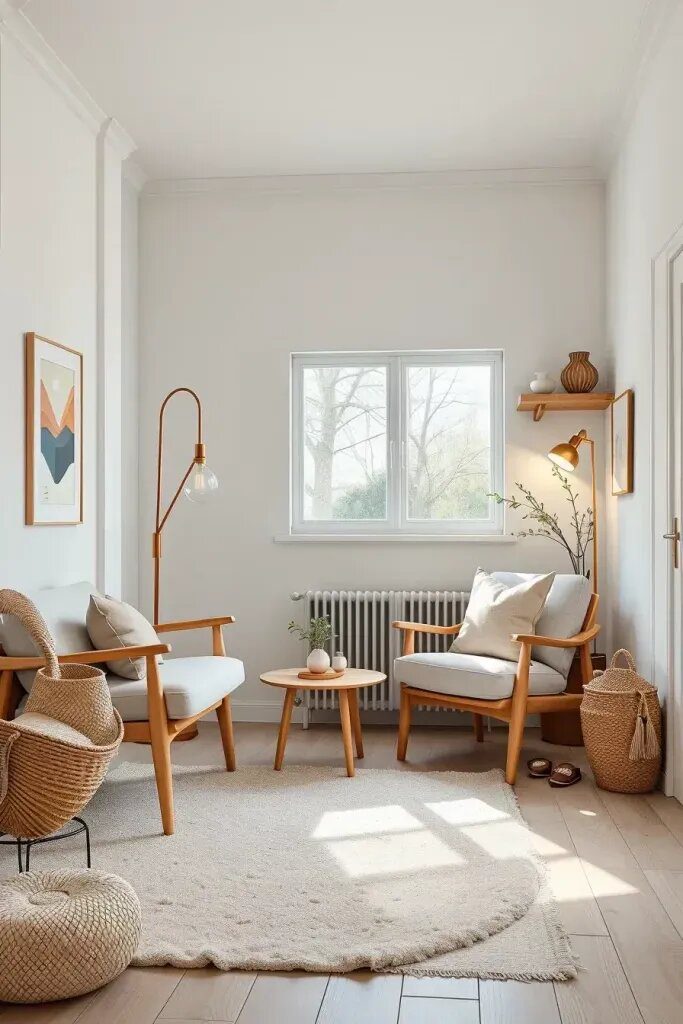
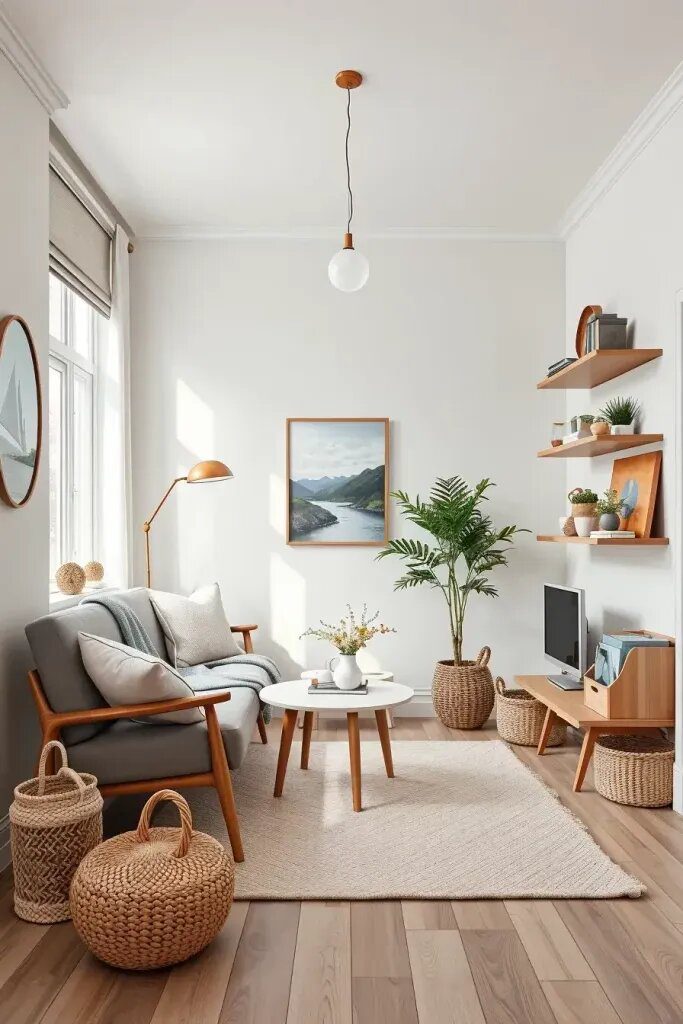
Scandinavian-Style Layouts For Small Interiors
I love how Scandinavian design works so well in small spaces! It’s all about creating a cozy and uncluttered vibe, which is key in tiny rooms. I like to keep the living area open and let that natural light shine in – it really opens up the room. I usually start by keeping the decor neutral and then place the main furniture, like the sofa, facing the window or the center of the room. It just feels so inviting and stylish!
 Save
Save
I love using furniture with sleek wooden legs and adding plenty of wall storage. A cozy rug, a neat coffee table, and mixing different textures in pillows or throws can really help create a relaxing vibe. Opting for chairs with gentle curves and light fabrics keeps the space inviting. Don’t forget to choose a lamp with a clean, modern design to tie everything together in your home decor!
 Save
Save
I actually have this setup in my own home and I just love how calming and effortless it feels. I read in Domino Magazine that Scandinavian design is so cool because everything just fits perfectly. And it’s so true! It’s all about being deliberate with your purchases, not about feeling like you’re missing out on something.
I think it would be nice to add a touch of nature to your space, like a potted olive tree or some woven baskets. It really helps tie everything together without making it feel too crowded. Just a little something to add some character!
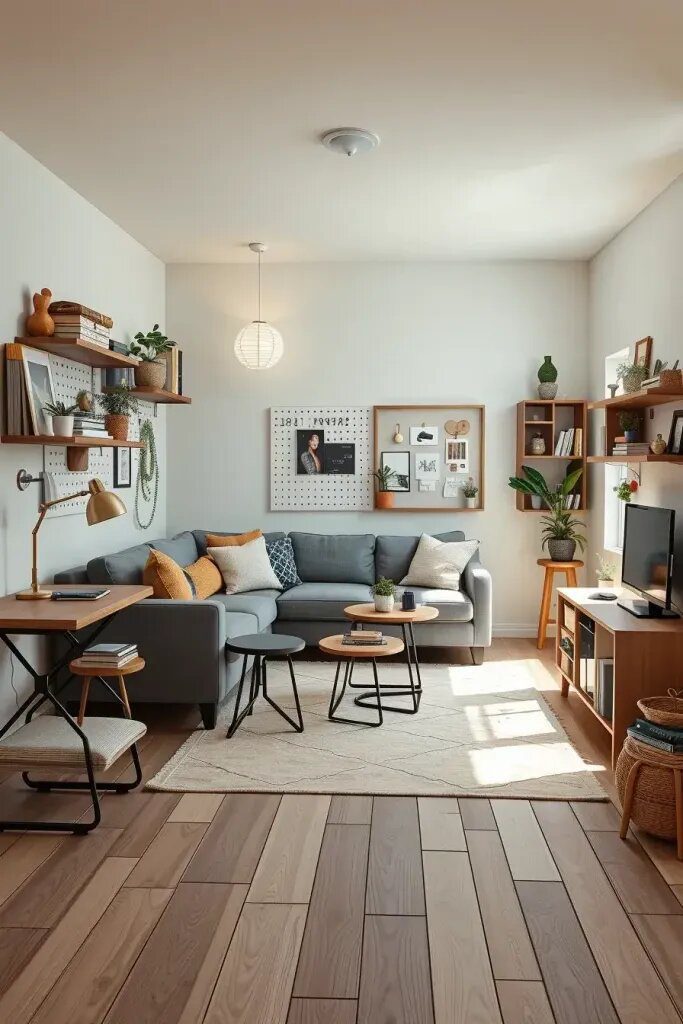
5 Modular Layout Ideas For Small Spaces
I’ve found that using modular design is a real game-changer for my small living rooms. Life is always changing, so it’s great when your home or workspace can change along with it. Whether you’ve got guests dropping by, just moved in, or are looking to switch up your decor, modular furniture makes it super easy to adapt. I always try to go for seating that can be separated into chairs or ottomans that can be easily rearranged. It just makes life so much simpler!
 Save
Save
One key thing to keep in mind is staying flexible with your furniture. I personally love using nesting tables, shelving units on wheels, and desks that can easily fold down when needed. I also like sofas that can be taken apart and rearranged to fit different activities, like watching a movie or working from home. And don’t forget about lightweight rugs and ones with grid patterns – they make it super simple to change up the look of a room in no time!
Hey there! I recommend this design for all you young professionals or creatives out there who are looking for some extra flexibility in your office space. According to Design Milk, having flexibility in smaller spaces like apartments is becoming a trend and a status symbol. What do you think?
One idea is to use plastic pegs on a board or magnetic strips to easily change up your storage setup as needed. It’s a great option if you like to switch things around without having to completely redo everything.
Decor Tips For Small Studio Apartment Living Rooms
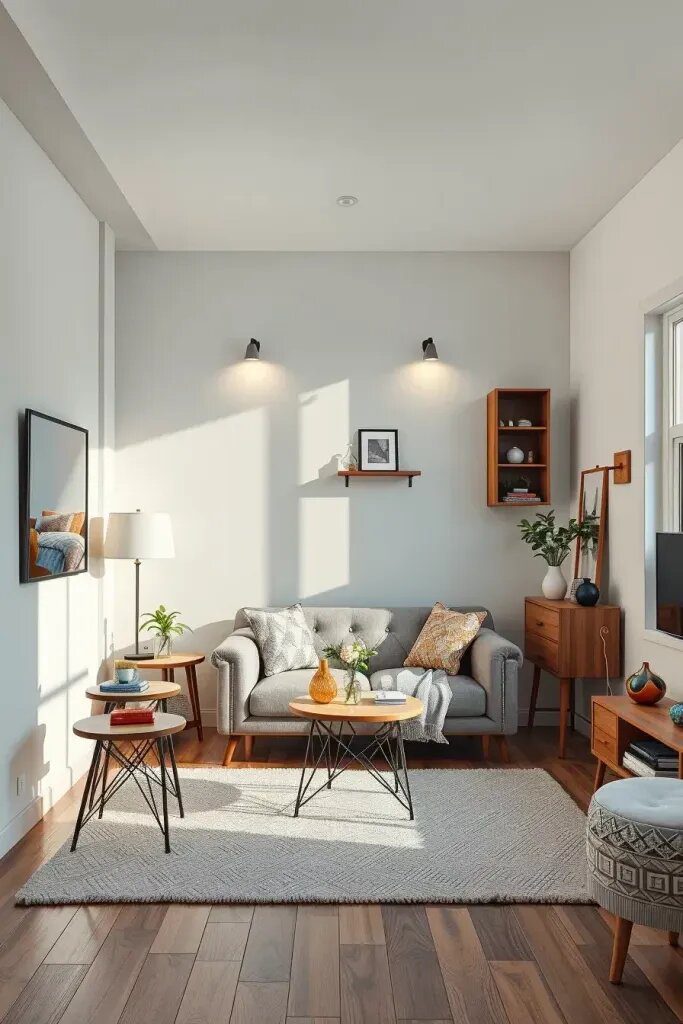
When you’re living in a studio apartment, it’s important to think smart about how you lay out your living room. Since it’s basically your everything room – where you relax, work, and sometimes even sleep – you want to make sure it’s both functional and cozy. One trick I like to use is putting a small loveseat either diagonally or right in front of a rug to help create a clear separation and define the space.
 Save
Save
So, one of the key things to keep in mind is making the living room stand out from the other rooms in your home. Instead of just putting up a regular wall, you could try using some cool open shelves or even floating a small console behind the sofa. It’s also a good idea to have nesting tables and desks that fold out so you can easily adjust the space when needed. Putting up some wall lighting is a smart move too, as it clears up some floor space. And don’t forget to add a comfy armchair that doesn’t hog up too much room!
Audio engineers often reach out to me for help with designing recording studios, and I always start by asking them, “Where do you like to relax the most?” That’s usually where we’ll place some seating. I’ve learned from The Spruce that utilizing storage under the bed, inside ottomans, and even behind the sofa can really maximize the space you have to work with. It’s all about getting creative with storage solutions!
I would recommend getting some curtains or vertical blinds that you can easily close when guests are staying over. It’s a great way to create some privacy and separate your personal space from the outside world.
How To Arrange Furniture Like A Pro
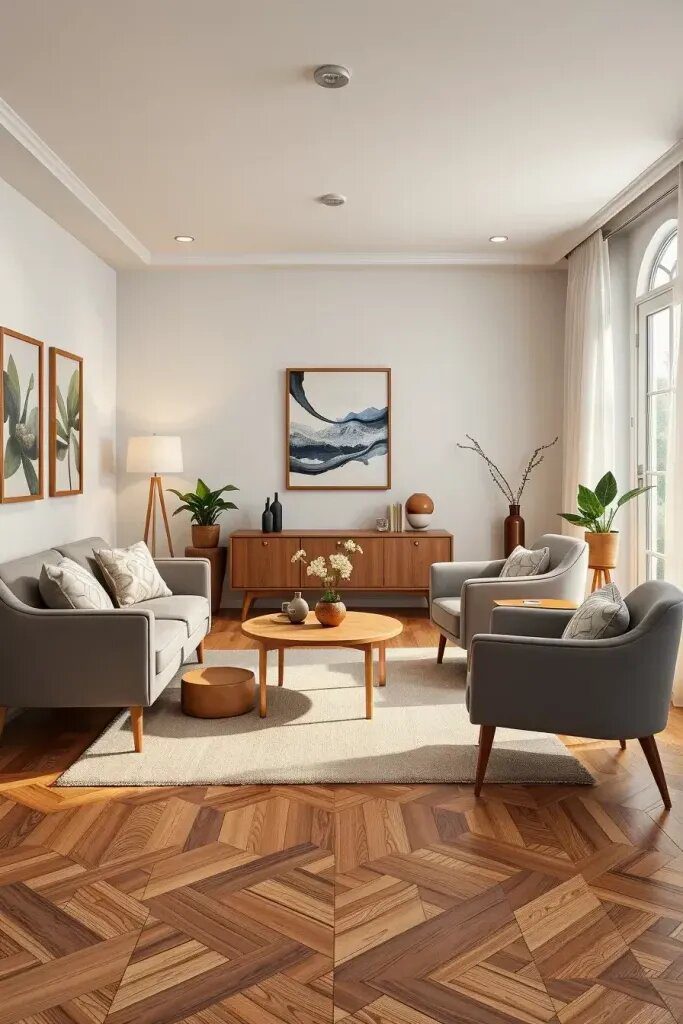
When setting up your small living room, it’s important to consider the space between your furniture to make sure it feels just right. If everything is squished together, it can feel cramped, but if it’s all spread out too much, it might not be very functional. I usually aim for about 18 inches between my sofa and coffee table, and 24 inches between furniture and walkways. This way, it’s not only visually appealing, but also comfortable to move around in the room.
 Save
Save
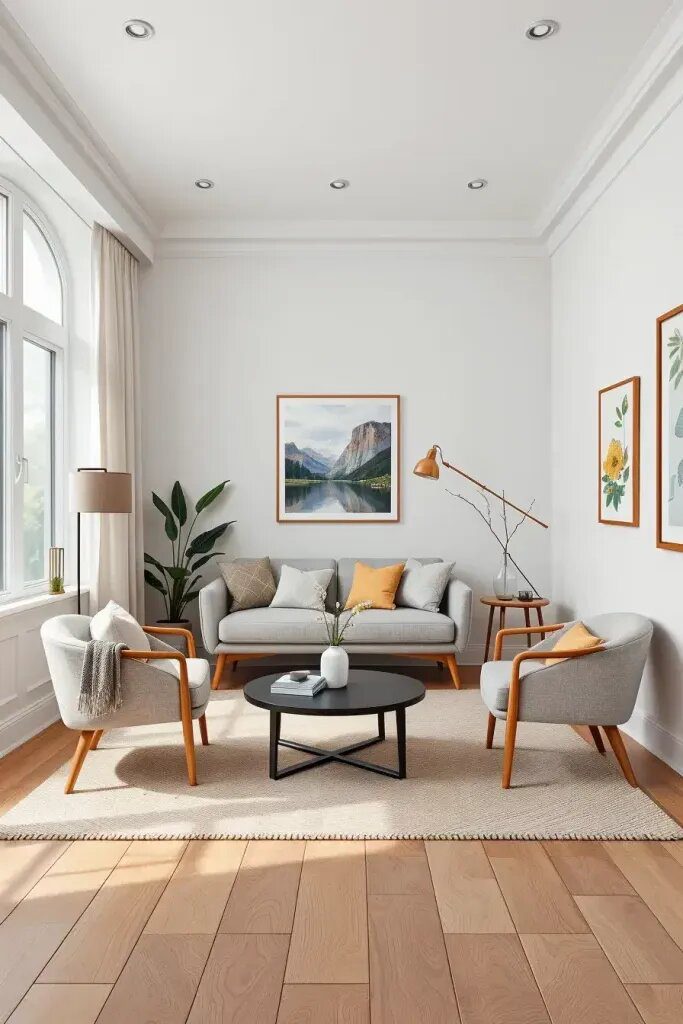
You know what I love doing when setting up a small room? I always go for furniture with legs because it just opens up the space more, you know? I like to keep the speaker a few inches away from the wall instead of right up against it. And instead of a big coffee table, I opt for smaller round tables or nesting tables. And don’t even get me started on armless chairs – they’re perfect for saving space! Just makes the room feel so much more cozy and inviting.
 Save
Save
You know, a lot of folks just don’t realize how much the layout of a room can affect their mood. I recently switched things up in my place by moving around some furniture and adding a shelf to the wall, and it made such a difference in how spacious and cozy the room felt. I’ve been checking out some tips on Houzz for small city apartments, and they’ve been super helpful. It’s amazing how making just a few changes can really transform a space, no matter how tiny it may be.
You know what would be cool? Adding some area rugs or curtains hanging from the ceiling to break up the space visually. It’s like having little dividers that don’t make everything feel cramped.
Smart Organization Tips To Keep Your Home Tidy
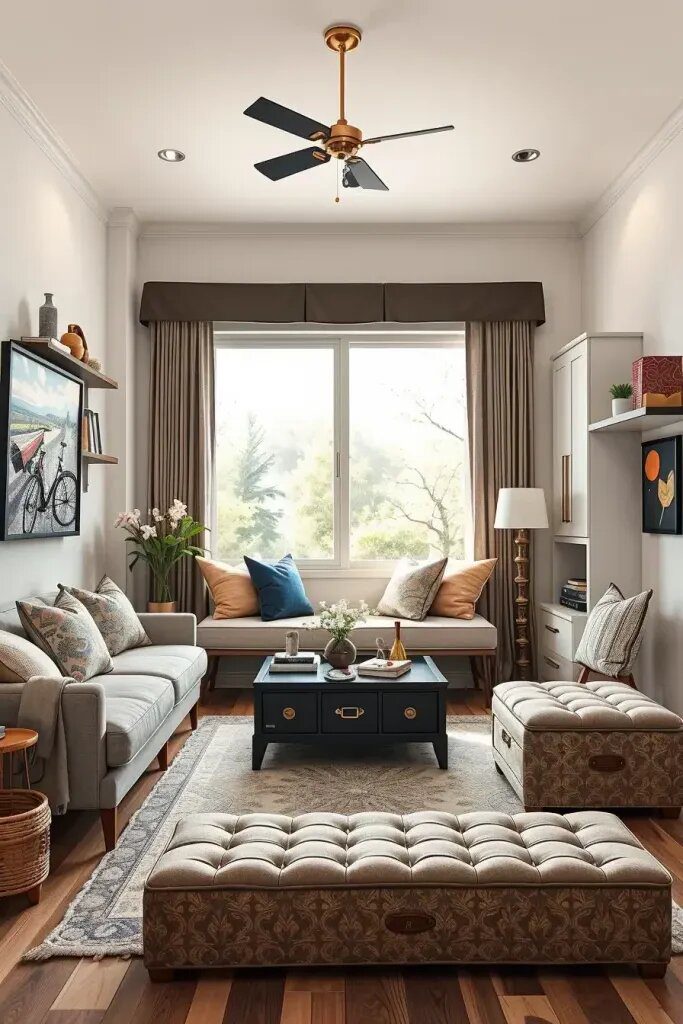
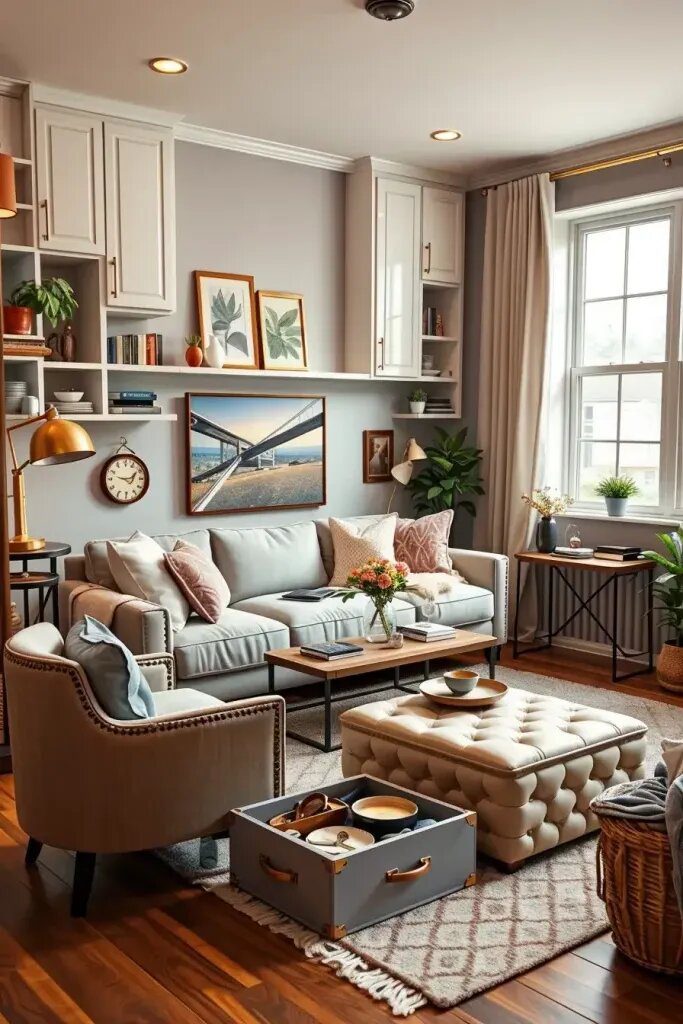
When you’re setting up a comfy living room, it’s important to keep visual clutter in check. I like to incorporate built-in storage into the design to help keep things neat and organized. My go-to move is to choose furniture pieces that offer plenty of storage, like ottomans, tables with drawers, and sofas with hidden compartments.
 Save
Save
I always like to arrange my furniture in a way that makes the room feel open and welcoming. I hide storage units under or behind the seating so they’re there when you need them, but out of sight. I find that tall, narrow shelves draw your eye upwards and make the room appear bigger. Placing storage seating under windows or in entryways is a great way to maximize space. And incorporating floating cabinets or modular wall systems can help prevent your floors from feeling cluttered. Just a few tricks I’ve picked up along the way!
 Save
Save
I’ve set up a ton of cozy homes, and let me tell you, having some hidden storage is a game changer! I totally agree with HGTV’s tips about using overhead space and furniture that matches the walls. It’s a super smart idea that really works. When you keep things nice and tidy, the room feels so much bigger.
One other neat idea I like to do is to add some mirrored or glass-front cabinets in the room. They help bounce the light around and make the space look even more spacious. Another handy addition is a coat rack or a small shelf near the entrance to keep things organized and tidy.
Using Mirrors To Enhance A Small Living Room
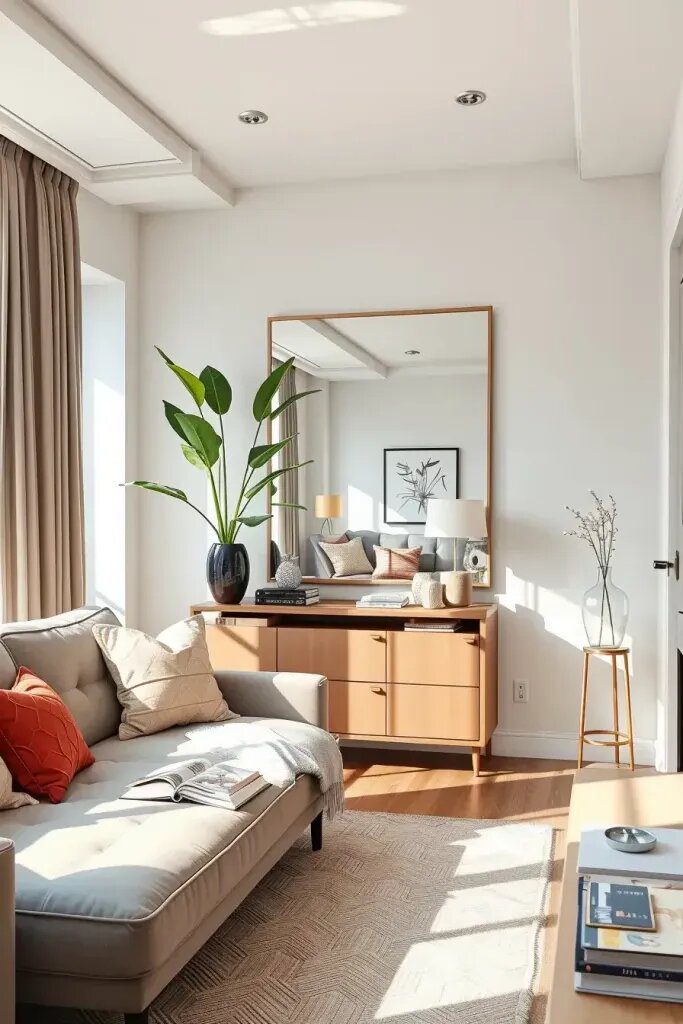
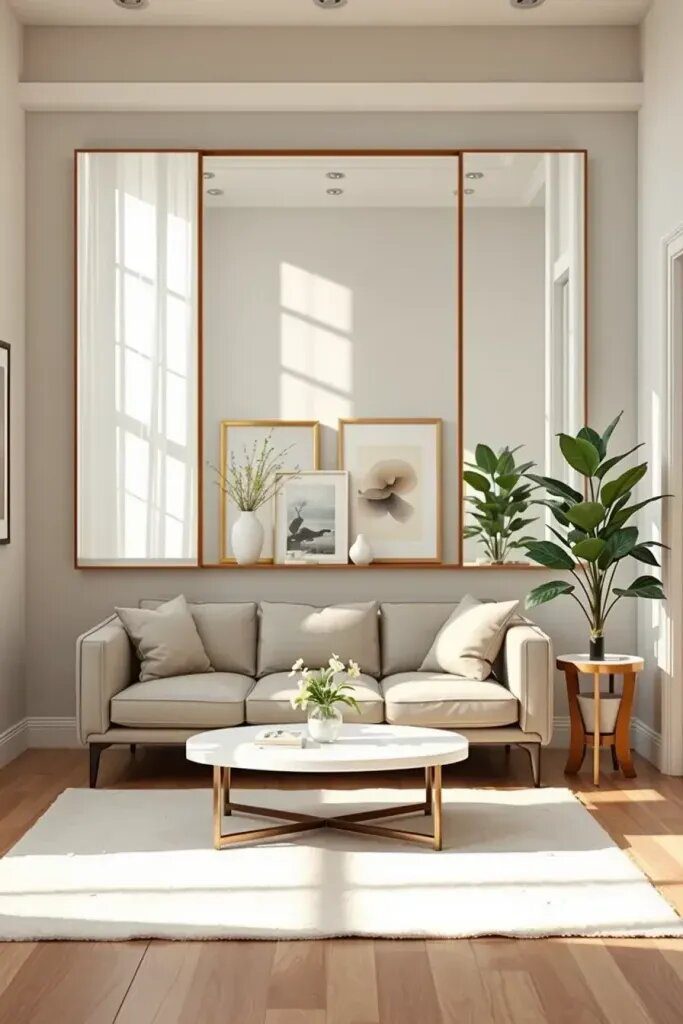
When you’re working with a cozy space, I always recommend adding some mirrors. Mirrors can work wonders in making a small living room seem more spacious and inviting. They bounce light around, giving the room a brighter and airier feel. I personally love placing a big mirror behind the couch or across from a window as a design element. It really opens up the room and brings in that natural light. It’s a simple trick, but it can make a big difference in how your space looks and feels.
 Save
Save
When it comes to mirrors, I like to go for sleek metal frames or ones without frames at all to keep things looking clean and simple. I also love mirror panels set in a cool geometric pattern. Pro tip: try hanging a mirror above a console table or near a tall plant to marry function with style. And if you really want to elevate a room, consider getting a mirrored coffee table or sideboard – they not only add light but also bring a touch of elegance.
 Save
Save
I’ve found that mirrors can really change up a space, not just aesthetically but in terms of how it feels. I’ve had great success using larger mirrors in small apartments in New York and condos in Los Angeles. According to Architectural Digest, designers like Nate Berkus swear by using mirrors to make tight spaces feel more open. And they’re spot on – it’s such a simple trick that really makes a big impact!
Why not try adding some cool mirror shapes like a round sunburst or a vintage oval design? It can really tie together the look, especially if you place them above a mantel or a gallery wall. Plus, they’re functional too!
Choosing The Best Lighting For Small Layouts
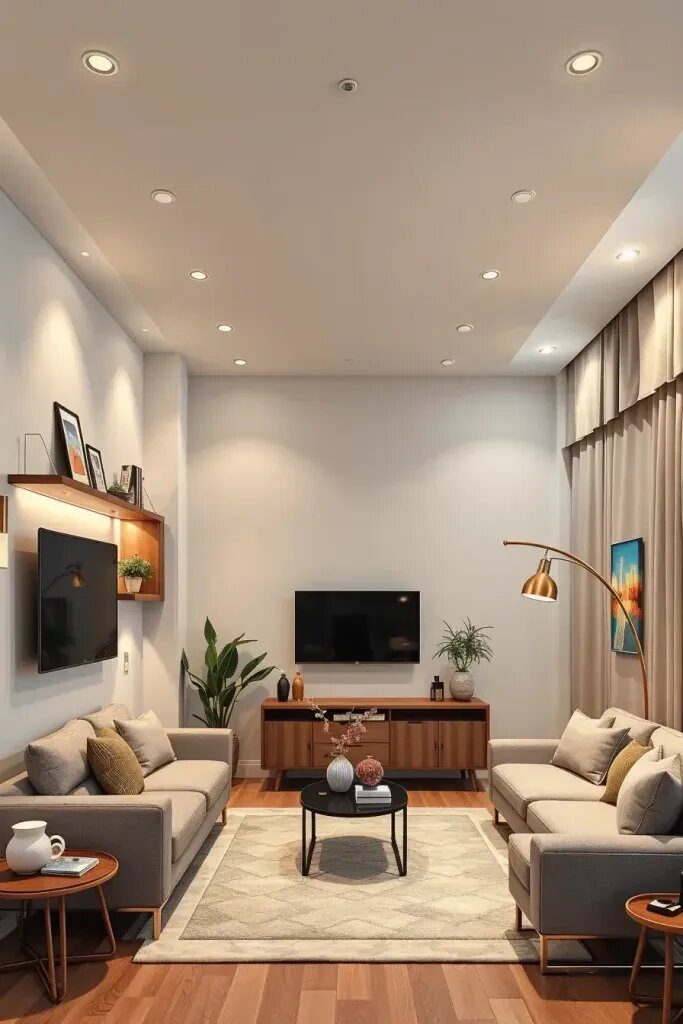
When it comes to lighting up a small living room, it really sets the vibe, you know? I like to mix and match different types of lights to create the perfect ambiance and make the room super functional. First, I install some recessed lights in the ceiling to open up the space a bit. Then, I add some sconces or floor lamps to give off that warm, cozy glow without taking up too much room. It’s all about finding the right balance!
 Save
Save
When I’m setting up my lighting, I like to go for those sleek floor lamps that can easily tuck behind furniture, and sconces with adjustable arms always catch my eye. Adding some under cabinet or shelf LED lights really helps create a cozy yet bright ambiance in the room. I prefer dimmable lights so I can switch up the mood depending on if it’s day or night. It really makes a difference in how the space feels!
I’ve discovered that smaller homes can feel much cozier and inviting with the right lighting setup. Recently, I worked on a Chicago studio apartment where we added some soft under-shelf lighting and a slender pendant with an uplighter, and the client loved the result! Taking cues from House Beautiful, it’s important to use lighting to guide your eye around the room and highlight its features, rather than making it feel cramped.
Hey there! If you’re looking to spruce up this part of the list, why not consider opting for some flashy metal globes or chic curvy wall sconces as your statement lighting? They can really add some personality to a small space without making it feel too cluttered.
Coordinating Colors And Layout For A Warm Living Space
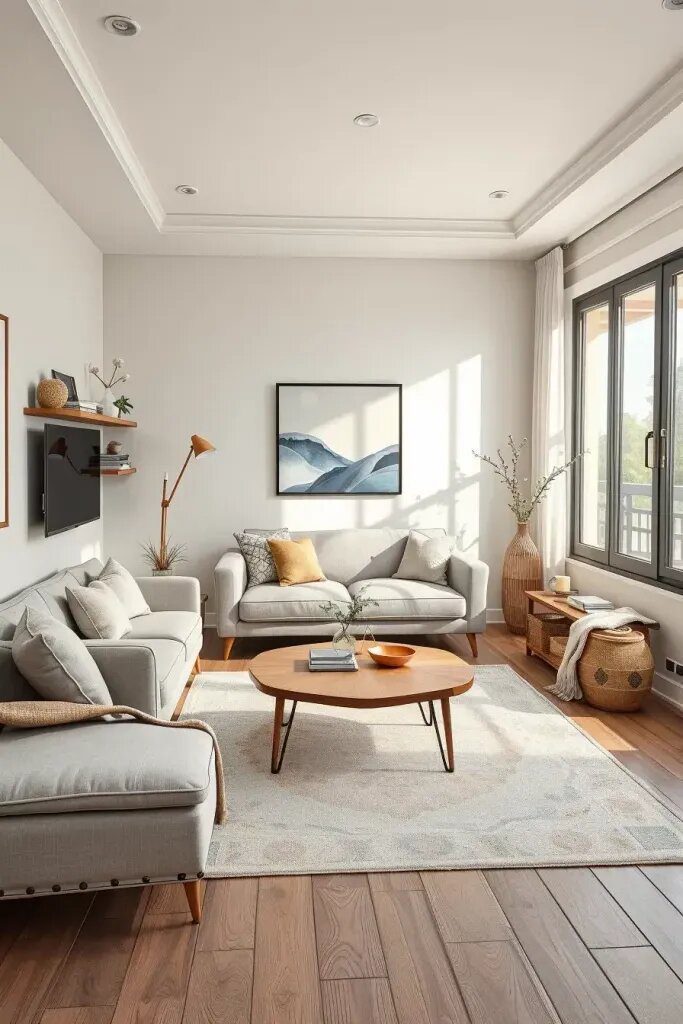
When it comes to decorating a small living space, the colors you choose play a big role. Personally, I think sticking to a small range of complementary colors is key to creating a cohesive and welcoming atmosphere. I love using soft white, light gray, beige, or subtle pastels in my decor. These colors help brighten up the space and go well with a variety of materials and fabrics. I like to keep things simple by sticking to shades of the same color for my furniture, walls, and textiles so everything blends together seamlessly.
 Save
Save
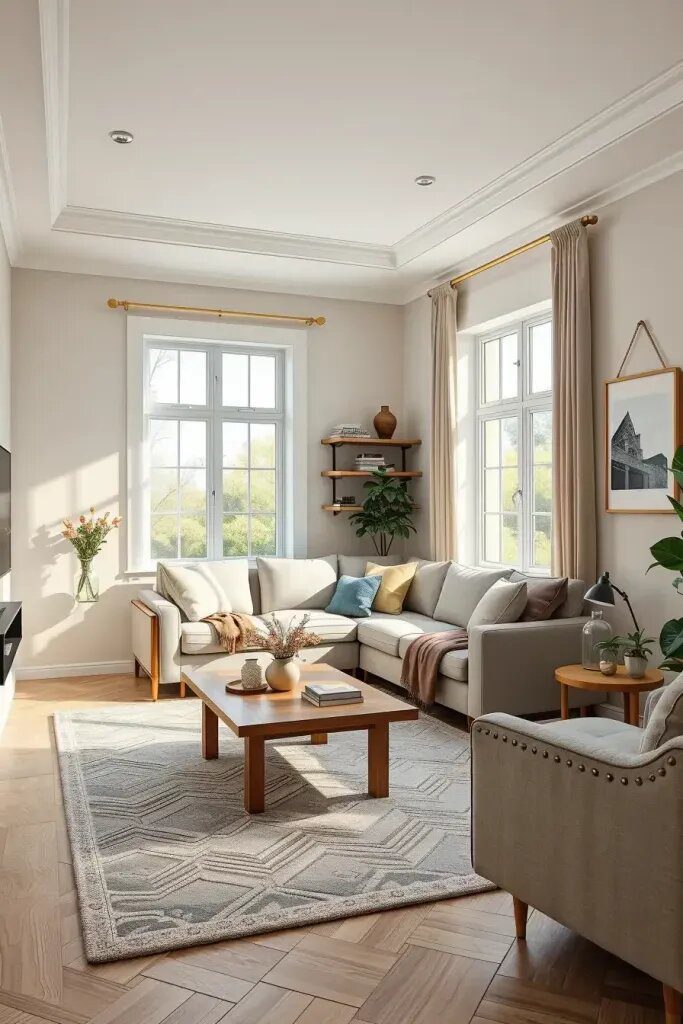
When it comes to setting up your furniture, how you arrange everything really makes a difference. For example, moving your sofa or loveseat away from the wall can make your room seem more spacious and inviting. And having an ottoman or nesting tables close by can make it a breeze to change things up. I personally like furniture with visible legs to create a sense of openness. And don’t forget, a rug can tie everything together and give your room a cohesive look. Just some little tips to make your living space feel just right!
 Save
Save
So, in my last place, I painted the walls this nice greige color and went for a white sofa, a cute wooden coffee table, some oak leg accents on the sofa, and added some floating shelves. It all matched and made the room feel so cozy and calm. It’s crazy how choosing the right furniture and colors can totally transform a small living room and make it feel more spacious.
One way to make this area really pop is to throw in some vertical stripes or colorful blocks. It can help create the illusion of a higher ceiling or make the room look wider. Just a little tip to make the space feel more open and inviting!
Final Details To Perfect A Small Living Room
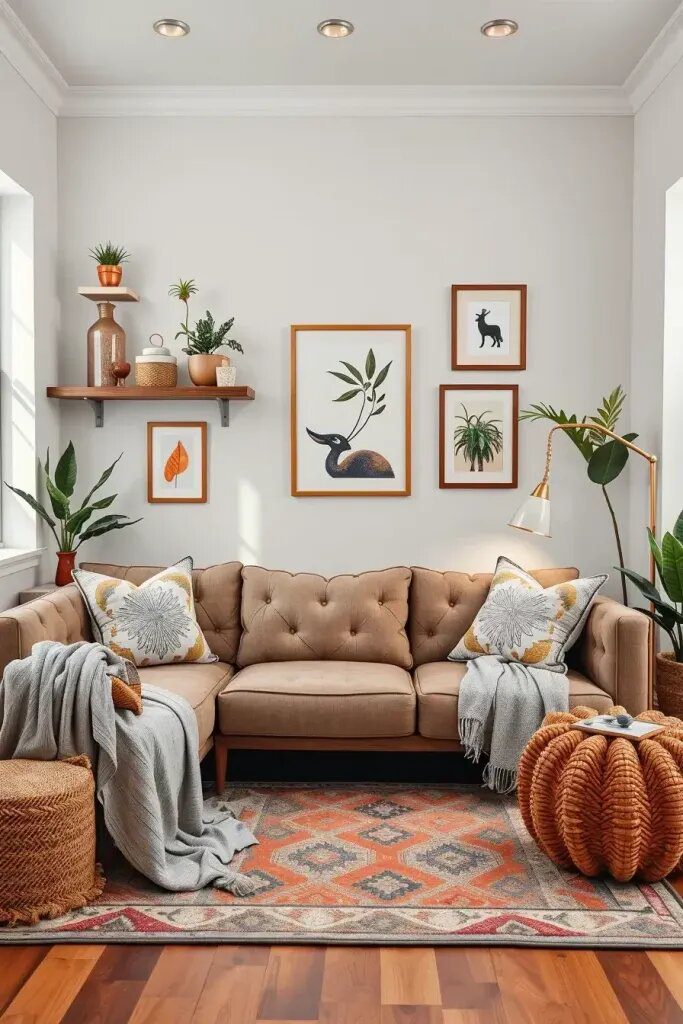
Once you’re done with setting up the main layout, adding some final touches can really bring your small living room to life. I like to decorate with soft fabrics, photos, and some plants. Adding throw pillows, a warm blanket, and a gallery wall can really cozy up the space and make it more inviting. And don’t forget to add a potted plant or hang a planter on the wall to bring in some fresh air without crowding the floor! It’s all about creating a comfy and welcoming vibe in your space.
 Save
Save
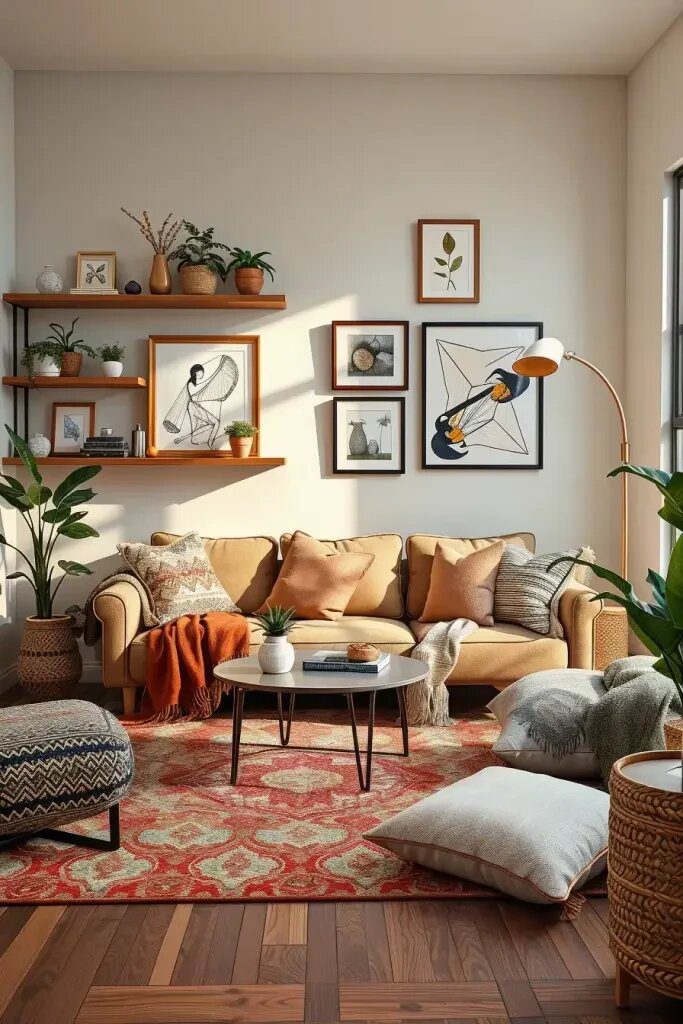
When I’m finishing up a layout, I like to add a cozy area rug with a nice subtle pattern, some cute baskets for storage, and a couple of special accessories like a unique vase or a framed quote. It’s important that every item in your space serves a purpose either in how it looks or how it functions. I also love using thin shelves or bookcases to add a personal touch to your room!
 Save
Save
I really think adding this layer to the space brings it to life. I had a client in San Francisco who didn’t feel quite at home until we put up a gallery wall and hung an overhead planter. Better Homes & Gardens suggests using a mix of textures and personal items to create a cozy, lived-in vibe in your home.
You know what would really improve this space? How about some storage furniture that doubles as a coffee table or ottoman? That way, you can keep things tidy without sacrificing any style.
When it comes to designing a cozy small living room, you don’t have to sacrifice comfort, functionality, or style. Just think about adding some mirrors, good lighting, pops of color, and those finishing touches that really tie the room together. Have any tips or questions on how to create the perfect layout? Don’t be shy, leave a comment and let me know what works for you! I’m always eager to hear your thoughts.